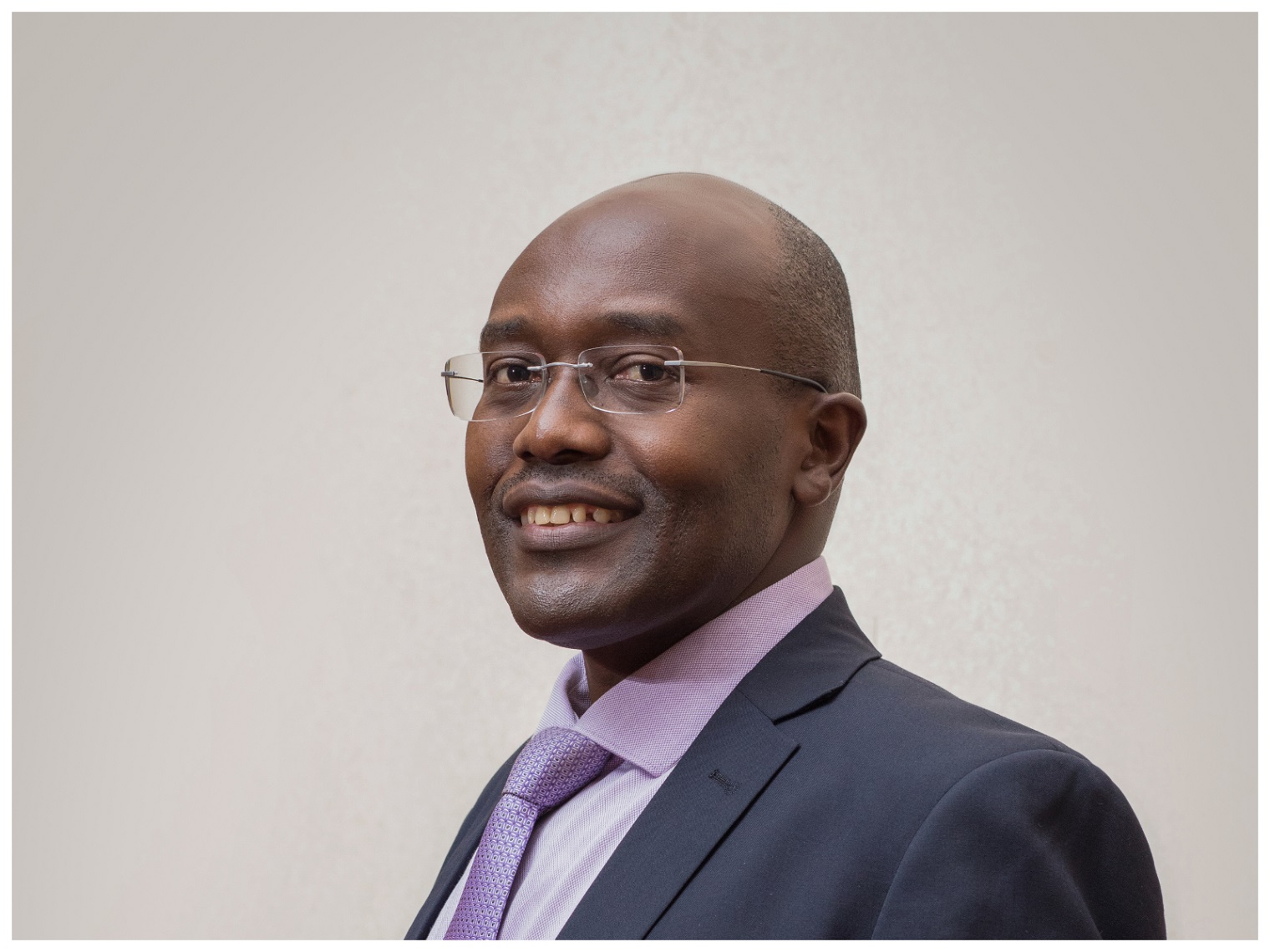
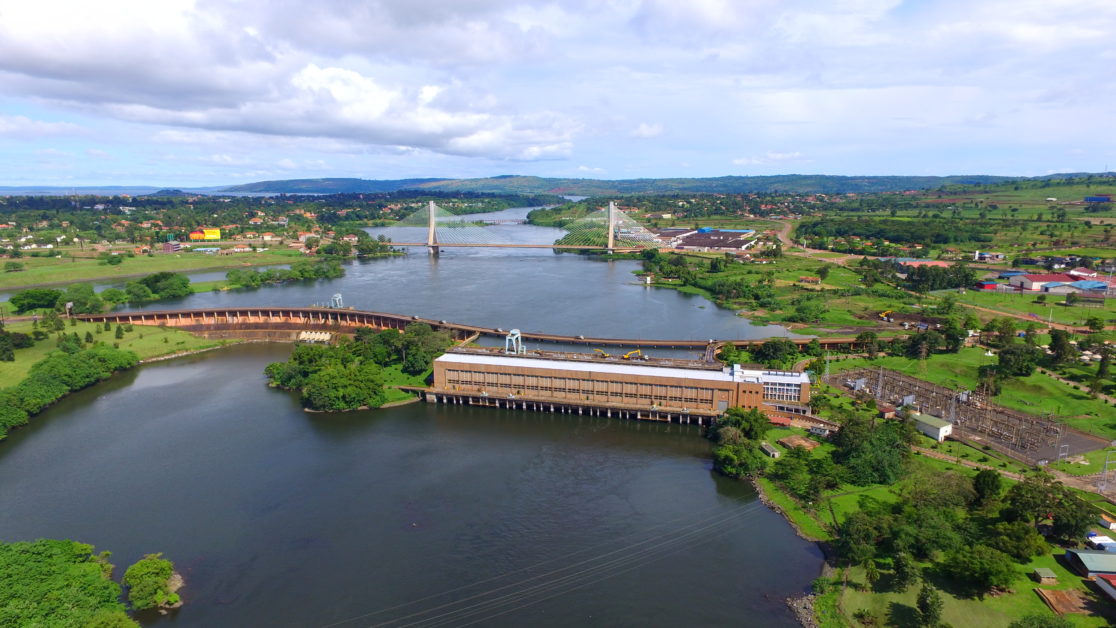
Uganda Electricity Generation Company Limited was incorporated in 2001 initially with the main objective to take over assets transferred to from the then Uganda Electricity Board (UEB); the 180 MW Nalubaale and 200 MW Kira Hydropower Stations located in Jinja. However, with the expansion of the government owned company’s mandate, to include project development of hydropower stations and other renewable energy projects as well as a supporting regulatory framework by the Electricity Regulatory Authority, UEGCL is emerging into Uganda’s leader in least-cost generation. Harrison Mutikanga, UEGL’s Chief Executive Officer in this interview with CEO East Africa Magazine, shares the company’s achievements today and gives us a peak into the UEGCL of the future.
It has been 20 years since the coming into existence of UEGCL, give us a broad overview of how it was at the beginning and the progress that has been made to date?
Prior to 1999, a Parastatal Uganda Electricity Board (UEB) was responsible for the generation, transmission, distribution and retail of electricity including setting tariffs. In 1999,during the power sector reforms, UEB was unbundled leading to successor companies i.e. Uganda Electricity Generation Company Ltd (UEGCL), Uganda Electricity Transmission Company Ltd (UETCL) and Uganda Electricity Distribution Company Ltd (UEDCL), removing the generation and distribution monopoly to allow private players and introducing the electricity regulator Electricity Regulation Authority (ERA). The Electricity Act was also enacted in 1999.
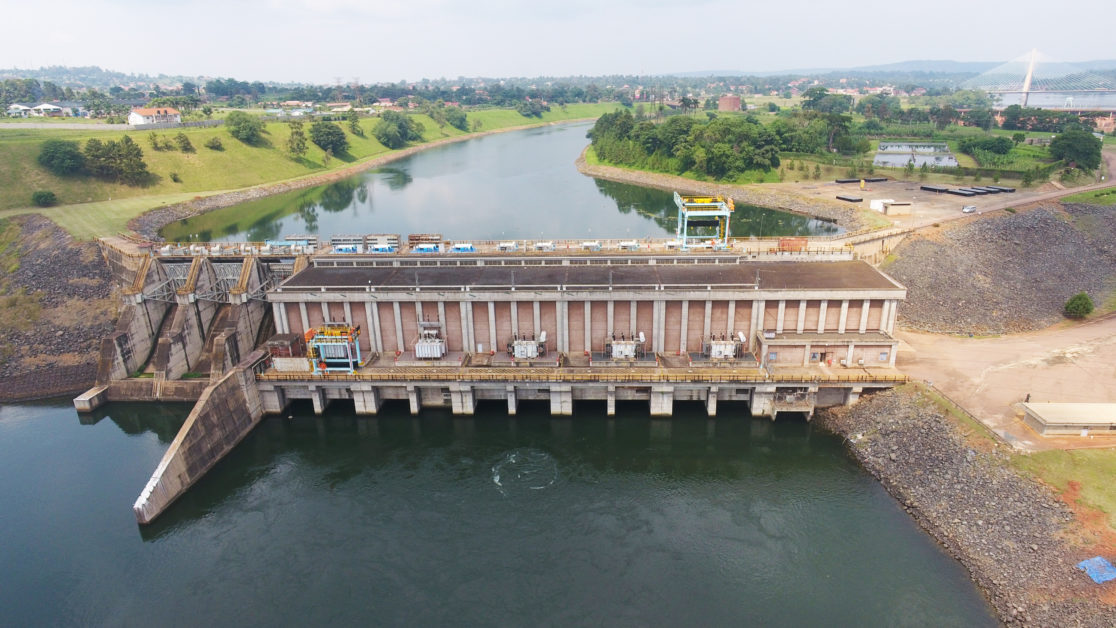
At its inception, UEGCL was primarily responsible for the monitoring of the Kiira/Nalubaale concession, and therefore ensuring that the Nalubaale (180 MW) and Kiira (200 MW) generation assets were managed and operated prudently for the production of high-quality reliable power. This followed the concessioning of the company assets to Eskom Uganda Ltd, with a view of increasing efficiency and investment in the plants. By default, this implied that the company had a paltry staff of about 38 and activities were restricted to investment and performance monitoring, with little room for innovation and growth. For most of the years since inception in 2001, UEGCL financial performance was abysmal with the company posting bottom line losses on the profit and loss account. This was partly because there was a mismatch between the revenues of the company and the assets which were being managed under the concession.
However, in 2014, the Company’s mandate was expanded to include project development via a Ministerial Directive.
Since then, UEGCL has made several strides. In summary, these include the following:
- Formulation of a 3-year Strategic Direction in 2015, and subsequent 5-year Strategic Plan for the period 2018 –2023.
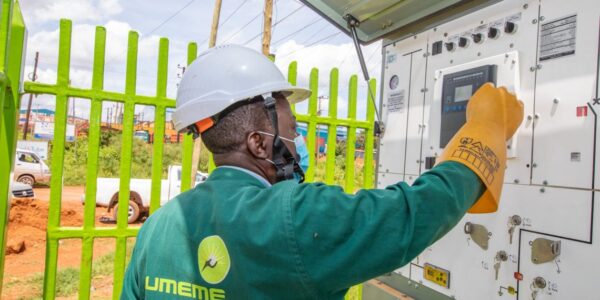
- A buttressing of the Human Resources from 38 staff to currently 198 staff. These include staff for Operations and Maintenance of the new hydropower plants.
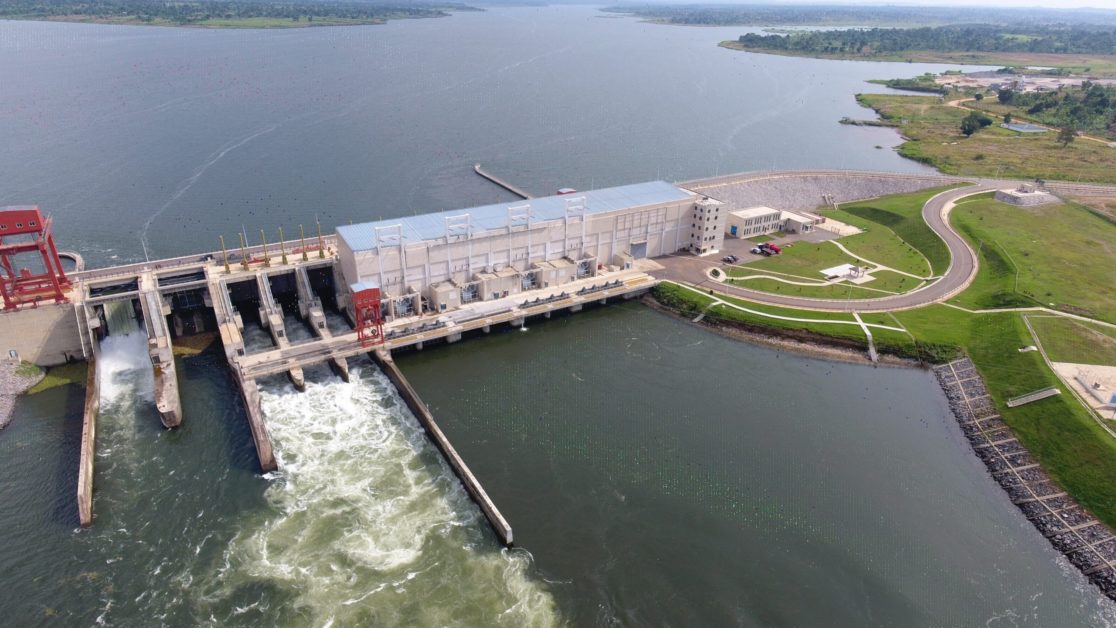
- Prudent Contract administration of the flagship projects, which has since led to the fruition of the Isimba (183 MW) hydropower plant and the Karuma (600 MW) is due to be completed in 2022. These have added to the energy mix within the country.
- Profitability: Since the commencement of operations of Isimba HPP (183 MW) in 2018, UEGCL has posted profits for the two successive financial years ending 2019, and 2020.
- Strategic partnerships with key stakeholders in financing and academia. These include; Centre for Research in Energy and Energy Conservation (CREEC), College of Engineering, Design, Art and Technology (CEDAT), Compagnie Nationale Du Rhone (CNR) a French Hydropower Utility, Uganda Industrial Research Institute (UIRI), and the International Centre for Hydropower Development (ICH). These Partnerships are aimed at promoting the exchange of trainers’, expertise, promotion of Research and Development and capacity building through benchmarking of best practices.
- Achievement of ISO Certification: UEGCL was the first public company to attain ISO 9001:2015 certification on 8th June 2017. The purpose of the certification was to improve and streamline the Company’s various processes and activities to enhance operational efficiency.
- Rebranding of UEGCL across all business systems and processes.
- Acquisition of our own home, in line with Government policy of reducing costs of renting.
- A key milestone during the year was the undertaking of preparatory plans for the eventual Operation and Maintenance (O&M) of the flagship hydropower plants under construction.
- Capacity Building for staff at various levels to support Company growth.
What projects/initiatives are you currently involved in?
In line with UEGCL’s mandate of Project Development and Management of the existing and new generation Plants, the Company is contributing towards the realization of the Government’s Vision of a Transformed Ugandan Society from a Peasantry to a Modern and Prosperous Country within 30 years by carrying out the following;
- Ensuring that the existing plants (Nalubaale Power Station & Kiira Power Station 380 MW) are operated prudently for the production of high-quality power for good service delivery. A feasibility study to rehabilitate the Plant was commissioned and is in the final stages of completion. The study will guide on the various options for extending the asset life of the Plant.
- Ensuring that the ongoing projects are efficiently implemented and timely delivered. Currently, the Flagship project of Isimba (183 MW) has been commissioned, while the Karuma (600 MW) is 98% completed. The medium-sized project of Muzizi (48 MW) is in advanced stages of procurement, while works have already commenced on the small hydropower project of Nyagak III (6.6 MW).
- UEGCL is in the advanced stages of securing funding for the Maziba (1 MW) hydropower plant which will greatly augment the supply of power in the southwestern region of Uganda.
- Developing more power plants to increase the generation capacity thereby increasing access to electricity and spiralling socio-economic development. The socio-economic development would in turn increase the much-needed jobs for the youth
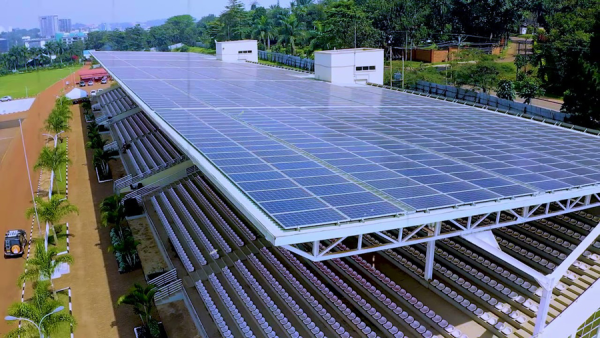
- With support from USAID/USEA, an Energy Mix Master Plan was formulated for UEGCL as a means of diversifying from the current high dependency on hydropower. Alternatives being explored are Geothermal and Solar.
- Ensuring the least cost of generation through the undertaking of cost-effective generation development and ensuring effective maintenance through the formulation and implementation of an O&M strategy.
- With support from AFD, UEGCL has completed a Financial Sustainability Study aimed at addressing the issues that constrain UEGCL’s financial sustainability and allowing UEGCL to attract new sources of funds for investment, and therefore reduce reliance on Government funding.
- UEGCL has undertaken several Community Development Projects around its project sites which have included health centres, Education facilities, public sanitary facilities and staff houses. These have been undertaken in Kayunga and Kamuli districts.
- Providing employment and capacity building of the existing staff.
How is UEGCL contributing to ensuring there is enhanced participation of Ugandans and Ugandan entities in the power sector?
UEGCL’s mission of sustainably generating reliable, quality, and affordable electricity for socio- economic development has supported the third National Development Plan (NDPIII) which aims at increasing availability of stable, reliable, and affordable energy. These hydropower power stations, and projects have greatly supported industrialization. During their project stage, Karuma HPP and Isimba HPP provided employment to thousands of Ugandans, supported local material producers through the BUBU (Buy Uganda, Build Uganda) Policy and other service providers.
Furthermore, to support local content, UEGCL is the government implementing agency for the Isimba and Karuma HPPs Community Development Action Programme (CDAP) fully funded by the Government of Uganda and here, Ugandan companies have been awarded contracts to construct schools, hospitals and sanitation facilities for the project affected persons in the areas around Karuma and Isimba HPPs.
What role is UEGCL playing in support of the energy sector’s agenda of ensuring that there is enough affordable electricity to meet the needs?
 Stanbic, Absa and Centenary Control Nearly Half of Uganda’s Bancassurance Market as Premiums Top UGX 302 Billion
Electricity has been identified as the primary and independent factor of production in modern manufacturing processes. In Uganda, the growth of the country’s manufacturing industry is heavily anchored on an adequate and stable electricity supply. UEGCL is proud to be part of the providers of electricity to the industries in Uganda supplying about 45% of the energy needs of the country. The key to note is that UEGCL provides the least cost electricity supplied by Kira/Nalubaale (1.2 US Cts/Kwh), and Isimba at about 4.16 cents/kWh. As mentioned above, UEGCL is committed to providing reliable, quality and affordable electricity. This is being espoused through improved efficiency and an indigenous model of management of the Plants. Furthermore, UEGCL is also exploring an Energy Mix Strategy as a means of mitigating climate change risk factors.
What do you foresee for UEGCL 10 to 20 or 30-years down the line and what needs to happen for this to become a reality?
The outlook of the company is very promising in which UEGCL will continue ensuring that generation assets grow in tandem with the economic growth of the country. This includes an Energy Mix to ensure energy security in the wake of climate change challenges. In terms of operations, UEGCL will focus on consolidating its footprint in the operations and maintenance of Isimba and soon to be commissioned Karuma hydropower plants.
In the next 20 – 30 years, we foresee UEGCL exuding the following key tenets:
- Leader in Electricity Generation in the Country, able to operate sustainably and profitably, and investing in future generation projects.
- Proficiency and Leadership in Electricity Generation Investments in partnership with the Private Sector leveraged upon the PPP Act.
- Consolidated footprint in operation and maintenance of the Karuma and Isimba Facilities. This will in part be achieved through enhanced operational efficiency and proficiency.
- An enhanced energy mix that entails UEGCL exploring other sources of Energy including Hydro, Solar, Geothermal and Thermal.
- A Digitally Transformed UEGCL through the acquisition of software tools required to support asset management and dam safety and build capacity in data analytics.
- Establishment of Hydropower Resource Centre that will ensure continuous and cost-effective capacity building for Operations & Maintenance (O&M). This will support government initiatives of employing the youth and will not only serve UEGCL but will also provide capacity building services to the Independent Power Producers (IPPs) and serve as a regional Hydropower Training Hub. The resource centre will also cater for coordinated research, innovation, benchmarking, training and best practice sharing.
- Diversified Financial Mobilization with eventual Listing on the Uganda Stock Exchange. Prerequisites to Listing include restructuring of the UEGCL Balance Sheet, ability to bill for full costs in accordance with the Concession and Assignment Agreement (CAA), and finally, the build-up of a history (not less than 3 years) of profitability and creditworthiness.
- Continued Capacity Building Partnerships with different Utilities, Academic Institutions, and Training Institutions. These include; the Centre for Research in Energy and Energy Conservation (CREEC), College of Engineering, Design, Art and Technology (CEDAT), Uganda Industrial Research Institute (UIRI), the International Centre for Hydropower Development (ICH), US Utilities including; Chelan PUD Washington, Tacoma Power, Tennessee Valley Authority (TVA), the US Army Corp of Engineers and other utilities such as Alpiq (Switzerland) and CNR (France).
- Following the ISO 9001: 2015 Certification in 2017, UEGCL is to explore certification in other areas, such as Health and Safety, asset management and risk management, given the value and magnitude of assets within the remit of the Company.
What needs to happen for UEGCL to make this a reality?
Overall, the outlook for UEGCL is very promising as the company edges towards achieving its Vision, Mission and Mandate. Critical activities will be hinged upon the streamlining of its operational and functional areas. This will be achieved through concerted stakeholder management efforts and a continued quest for best practices.
To achieve the above futuristic aspirations, UEGCL would require the following support:
- Enabling a regulatory environment allows for a return on investment and plough back of retained earnings for investment.
- Streamlined roles of investment within the sector.
- Support to the diversification of Business activities within Government Agencies.
- Financial support from Government in core business ventures.
- Harmonized inter Agency cooperation that supports the UEGCL business growth and sustainability.
Key facts and figures about UEGCL
The mandate of UEGCL is to establish, acquire, maintain, and operate electricity generation facilities and to promote Research and Development in the electricity generation sector while running the company on sound business principles.
The Vision of the Company is to “Be one of the leading power producers in the Great Lakes Region”, while the Mission is to “Sustainably generate reliable, quality and affordable electricity for socio-economic development.
UEGCL Facts and Figures
| Item | Unit | Status as of June 2020 |
| Date Incorporated | Year | 2001 |
| Ownership | Wholly owned by Government | |
| Governance | 7-member Board of Directors | |
| Installed Total Capacity | MW | 563 MW |
| Market Share of Installed capacity (Uganda) | % | 44.4% |
| Staff Compliment | Numbers | 198 |
| Assets | UGX Billions | 7,100 |
| Turnover | UGX Billions | 161.8 |
| Profit/Loss 2018/19 2019/20 | UGX Billion | 24.8 2.8 |