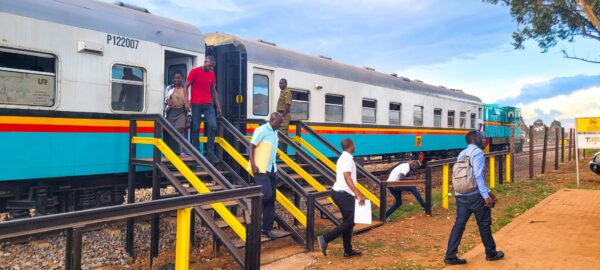
So much has been going on at Uganda Railways before the government ended the RVR concession and repossessed the company at the end of 201. What have you been up to since you took on the role of Managing Director for Uganda Railways?
Our key achievement is taking back the concession from RVR and keeping it running, restoring services to the Portbell-Mwanza and Kisumu on Lake Victoria and sustaining operations for two years with very little capital injection even after receiving a broken system that was inoperative for more than ten years for some parts such as the marine services.
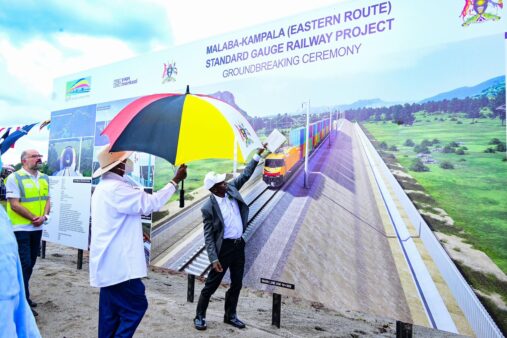
But the highlight of this success is convincing the government to invest €330m over 5 years to revamp the Kampala-Malaba line, €42 million for Tororo-Gulu line, and €15 million for Gulu inland container depot (ICD). The Kampala-Malaba revamping project also has a component for capacity building, targeting the training of managers and technical staff, improvement of management, and operating systems in effect creating a team fit for a modern rail operation.
So much has been said about the Standard Gauge Railway (SGR) when it finally comes. What will be the role of URC when the SGR is finally here?
The two systems of Standard Gauge and Meter Gauge will play complementary roles when the former is finally built. You will recollect that when SGR was conceived, there was a subsisting 25-year concession over the MGR line. In effect, the SGR will handle high density, large volume cargo such as heavy mineral exports, and heavy container imports with a payload of 80 tonne per wagon. But the MGR will handle light and medium density cargo such as mixed consumer goods and light exports such as cotton, grains, vegetable oil, and cosmetics.
The MGR will also work as a feeder and provider of last-mile delivery to the SGR line.
As we wait for the SGR, what is URC doing to satisfy the existing demand?
URC is restoring and enhancing the capacity of the MGR by revamping the Kampala – Malaba line. The Kampala – Malaba refurbishment involves replacing rails with new heavier ones and steel sleepers with concrete ones. Later, materials replaced will be used to replace parts of the Kampala – Kasese line starting with Kyengera, Bujjuko, and eventually further westwards. It also provides for rehabilitation of rolling stock (locomotives, wagons, and coaches) and the purchase of new ones.
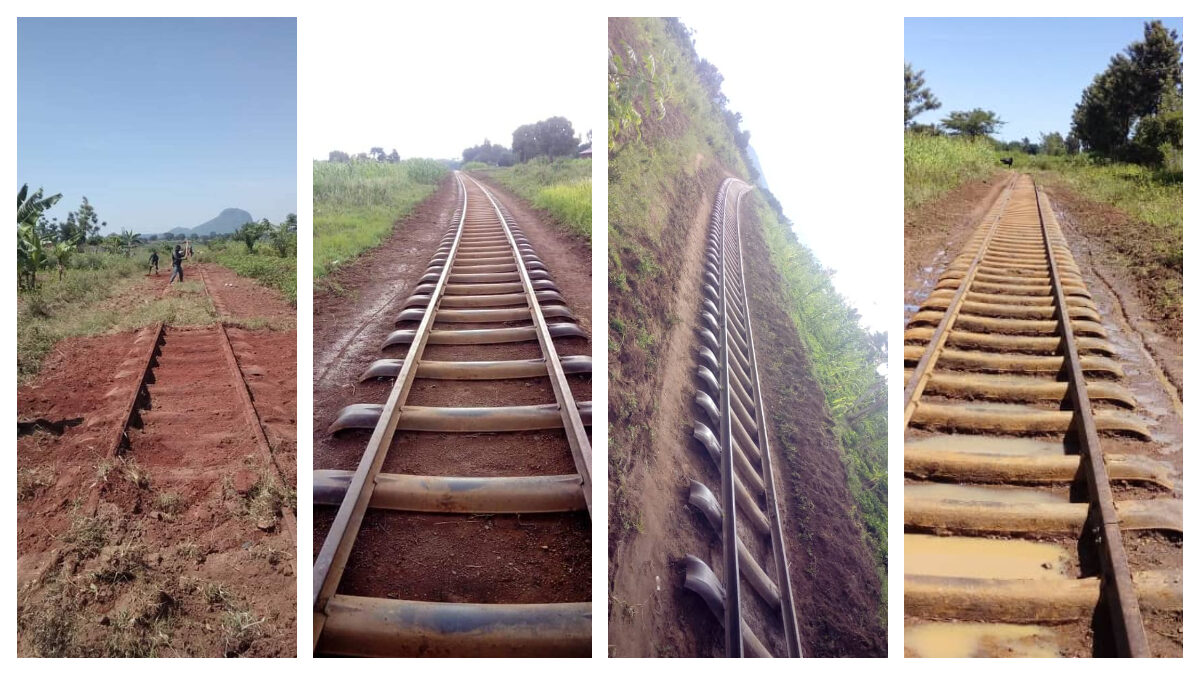
The rehabilitation of the Tororo-Gulu line involves moderately upgrading it by installing stone ballast instead of earth (murram) ballast, replacing badly worn or vandalized areas, refurbishing railway stations and service workshops etc. The Gulu ICD will allow a multi-modal service to extend transport of containers by road to and from South Sudan, North Eastern DRC, Northern Uganda and West Nile as well as serving the Albertine oil production program. The Tororo-Gulu rehabilitation and Gulu ICD will be completed earlier, in 2022.
We are also enhancing the passenger services to extend the service from Namanve to Mukono and Kyengera and this will be ready during 2021 – 22.
The entire revamping project runs from 2020-21 to 2024-25.
 From Profit to Loss: FINCA Uganda Sinks into Red with UGX 662 Million Loss, Tough Year Ahead for MD James Onyutta
How has Covid-19 affected Uganda Railways Corporation?
COVID-19 has put additional demand on our services so as reduce the impact of truck drivers on the spread of the virus. This requires us to ramp up our operations. For this, we need additional locomotives and a much better track. We are negotiating with the government to avail the necessary investment funds as soon as practicable. But it has also refocused the public on the importance of a robust rail system and long term this is positive.
What role has URC had in easing the logistics pain on the Eastern corridor during this Covid-19 pandemic, especially in cutting the transit time and truck issues at the border?
One way has been the introduction of fuel transportation by rail wagon ferry from Kisumu and by rail from Eldoret. We are also introducing services to pick container cargo from Naivasha and Nairobi ICD. We are also looking at setting up an ICD at Tororo so that trucks transiting goods destined to Northern and Eastern Uganda can be handled and cleared from there, thus reducing the risk of contagion from transit truck drivers.
It is important to note that, one shipload of fuel carries 22 wagons or 1 million liters and that gets 50 trucks from the road. In a month we target to carry about 20 million liters using two wagon ferries. This is in addition to carrying exports and imports to and from Dar es Salaam via Mwanza-Portbell. Exports include sugar, grains, steel products, and cosmetics.
Railway transport seems to be a more practical solution to the logistics issues in the region, why do we still have trucks on the road?
Going by world best-practice, we’ll always have both modes of transport side by side. However, what our aim should be is to give to Caesar what belongs to Caesar; heavy and bulky cargo over long distances (800km and above) belongs to rail. However, light and high-value consumer goods, especially over short distances, will always move by road. One rule of thumb is that, if it can be delivered between 8.00 pm and 8.00 am, move it by road if not put it on the train.

Having said that however, the case for East Africa is that for the last 25 years public investment in infrastructure was seriously skewed towards improving roads and relying on internationally generated funds and private sector (concession) investment for railways. This heavily disadvantaged the railways and drove most customers to the road. Operationally, for railways to attract customers back, we will need to invest in service improvement, last-mile delivery, transit-oriented development for passenger services, ICDs plus business and industrial parks.
URC has already started plans for modernizing operations and business practices to improve productivity and attract young innovative human resources to drive continuous improvement.
In conclusion, we plan to change the customer experience over the next 3 – 5 years, restore confidence in the system, and increase value for the government and making the business attractive for Private Sector Investment.