If the long-rumored Stanbic–NCBA merger or buyout becomes reality, NCBA shareholders could emerge as the biggest winners in East Africa’s next major banking shake-up.
The market already seems to agree. When news of a possible deal surfaced this week, NCBA’s market value jumped from about UGX 2.9 trillion to UGX 3.15 trillion in a single day, while its share price surged nearly 9%.
Year-to-date, the stock has risen 56%, and over the past 12 months, it has gained nearly 78%, a clear sign that investors are betting on a major payout.
Large takeovers typically come with a buyout premium of between 20% and 40% above the market price to persuade shareholders to sell.
If Standard Bank Group, the parent company of Stanbic Bank, proceeds, the acquisition could be worth between UGX 4.1 trillion and UGX 4.4 trillion, pushing NCBA’s implied or estimated valuation to between UGX 2,500–2,600 per share.
Even if the deal takes the form of a merger rather than a cash buyout, NCBA shareholders would still benefit by joining a much larger, more profitable regional banking group.
The combined entity would immediately become Kenya’s third-largest lender, and by extension a regional powerhouse, boasting a stronger balance sheet, broader liquidity, and access to Standard Bank’s extensive African network.
For shareholders, this means both short-term profit and long-term value growth.
Standard Bank’s reputation for disciplined capital management and steady dividend payments could translate into more predictable earnings for NCBA investors.
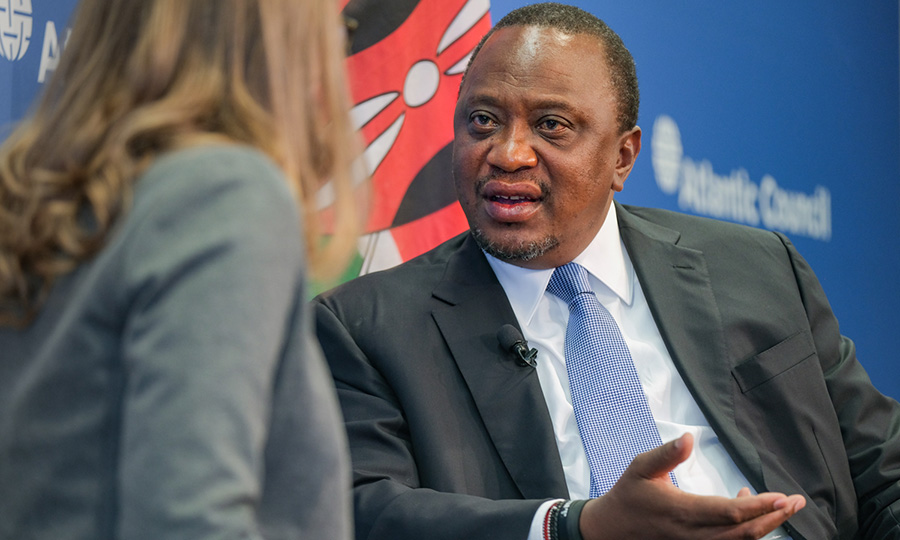
Shareholders who stand to gain
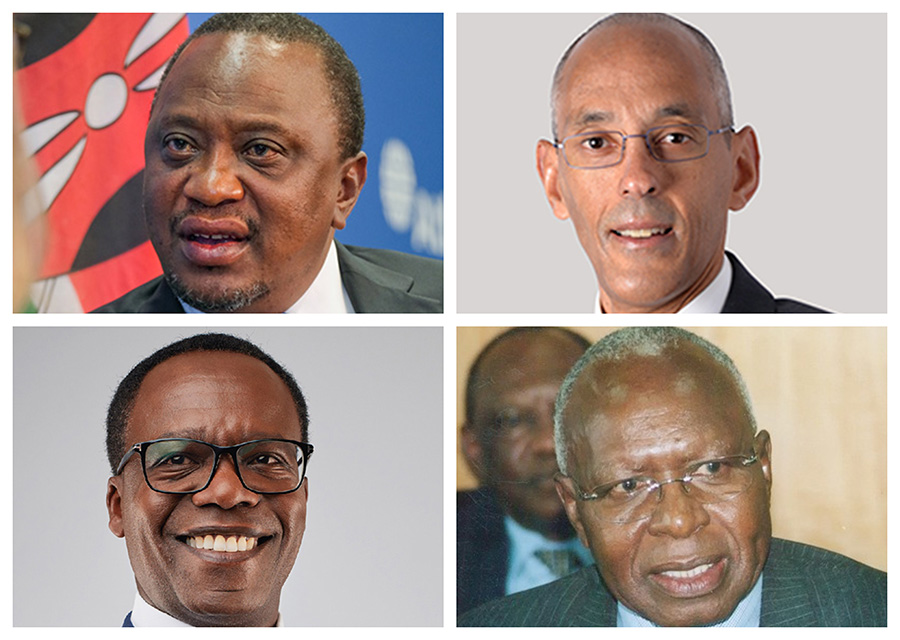
Major retail shareholders include the Kenyatta family, which holds 12.7 million shares, representing a 0.774% stake, Mavinder Kaur Rai Rai (11.4 million shares or 0.693%), Simeon Nyachae (9.5 million shares or 0.578%), and the Ndegwa family, which holds 6.1 million shares or a 0.37% stake.
Others are the late Bernard N Hinga, with a holding of 3.04 million shares or 0.185%, the Babla Sandip family (2.5 million shares or 0.153%), and John Mburu Gachora, who holds 2.3 million shares or 0.144%.
At an implied valuation of between UGX 2,500 and UGX 2,600 per share, the above holdings could fetch substantial returns or increase the value of their shares in an enlarged banking group.
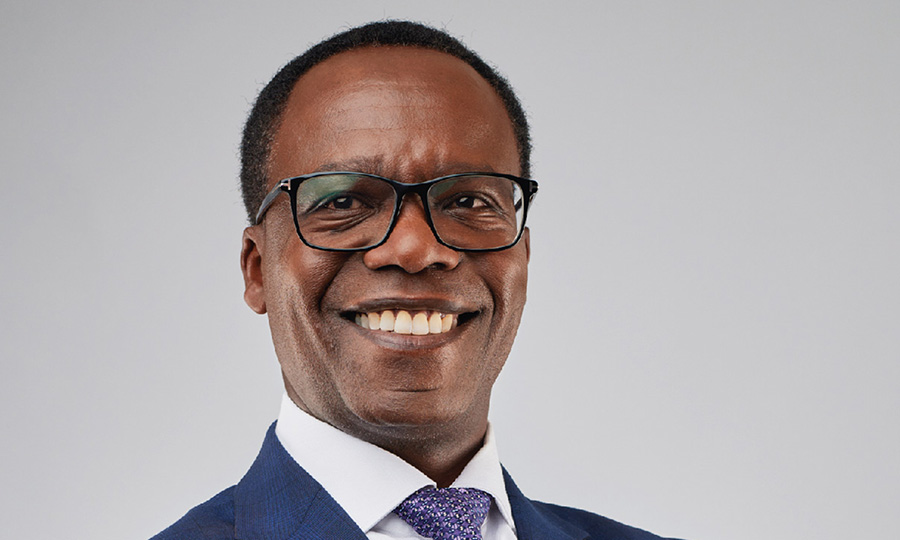
NCBA also has a fair supply of pension funds and institutional investors that will stand to fetch significant capital gains or benefit in the future from a larger footprint in a stronger regional financial institution.
Some of these include First Chartered Securities, the largest shareholder with a 14.941% stake, followed by Enke Investments and D&M Management Services, which hold 13.201% and 10.547%, respectively.
Others are Brookshire (8.628%), Westpoint Nominees (7.688%), Yana Investments (5.406%), Kahuho Holdings (4.103%), Rivel Kenya (3.897%), and Makimwa Consultants (2.949%).
Each of the above held between 246.1 million and 48.58 million shares, according to December 2024 periodic filings.
Foreign investors, who hold roughly 30% of NCBA shares, would gain exposure to a high-liquidity, dual-market banking group with continental ambitions.
Kenya: The natural prize
 World Bank bans PwC Africa, Rwanda and Kenya affiliates from Bank Group-financed projects over fraudulent practices
When Standard Bank Group announced its East African expansion plan in March 2023, Kenya was the natural choice, as it remains the region’s financial hub and the heartbeat of East Africa’s trade, capital, and credit flows.
Subsequently, Standard Bank’s spotlight quickly turned on NCBA Group, a mid-tier giant valued at about UGX 3.4 trillion with assets worth UGX 30 trillion.
The bank sits in a sweet spot: large enough to ignore but still small enough to acquire compared to giants like Equity Bank, with assets of UGX 48 trillion, and KCB Group, at UGX 55 trillion.
For Stanbic, acquiring NCBA offers a shortcut into Kenya’s elite banking tier, granting immediate scale in East Africa’s largest economy and a natural link to Uganda, one of its most profitable markets. The link also extends to Tanzania and Rwanda.

Where the ripples will land
The potential merger’s impact won’t stop in Nairobi. It will likely reshape the competitive landscape in Uganda, Kenya’s largest trading partner and one of Stanbic’s strongest markets, and by extension Tanzania and Rwanda.
Stanbic Uganda is already the country’s largest bank, with UGX 10.3 trillion in assets and UGX 7.1 trillion in deposits. It maintains a 27.06% return on equity and a 39.57% cost-to-income ratio, lending only 62% of its deposits, a sign of strength and prudence.
NCBA Uganda, by contrast, is on a growth sprint. In 2024, its pre-tax profit rose 40% to UGX 46 billion, while loans increased 18% to UGX 298 billion, deposits rose 15% to UGX 654 billion, and income grew 20% to UGX 137 billion.
Its non-performing loan ratio fell sharply from 6.4% to 3.8%, showing sustainable growth and strong asset quality.
Together, the two banks would form a powerful cross-border unicorn.
Digital customers would also benefit. NCBA’s mobile-first innovations, such as MoKash, could blend with Stanbic’s fast-expanding Flexipay, backed by the bank’s balance-sheet strength to deliver quicker loan approvals, smarter credit scoring, and lower borrowing costs for individuals and small businesses.
Why now: A sector in transition
The timing of the potential deal aligns with Kenya’s ongoing banking consolidation wave, which is part of a broader effort to strengthen financial institutions.
The Central Bank of Kenya has been pushing to reform the country’s banking landscape to build banks that can “absorb shocks and sustain growth.”
A win for both sides; if it happens
While the merger remains unconfirmed, the incentives are clear. For Stanbic, it’s a strategic move into Kenya’s top tier and a way to cement its dominance across East Africa. For NCBA, it’s a chance to monetise its recent market rally and align with a global powerhouse.
And for NCBA shareholders, the outcome could be the best of both worlds, a short-term windfall from a takeover premium and a long-term stake in a stronger, more profitable, regionally integrated bank.
If the deal materialises, NCBA’s investors won’t just be selling a Kenyan bank; they’ll be buying into East Africa’s next great financial champion.