In May 2021, Bank of Uganda issued two licenses to Airtel Mobile Commerce and MTN Mobile Money to conduct various money transfer and payment services.
The licenses were partly intended to implement sections of the National Payment System Act 2020, which had transferred the regulation of mobile money from the Uganda Communications Commission to the Central Bank.
In the years leading up to the enactment of the National Payment System Act 2020, there had been various conversations that highlighted the risk of an unregulated digital financial system.
But in all this, government had become aware of the problem that not only presented cybersecurity risks, but had become a national security issue.
Thus, the enactment of the National Payment System Act 2020 effectively separated the regulation of mobile money from telecommunications services.
In otherwards, mobile money had grown too big to still be considered as a telecommunication service.
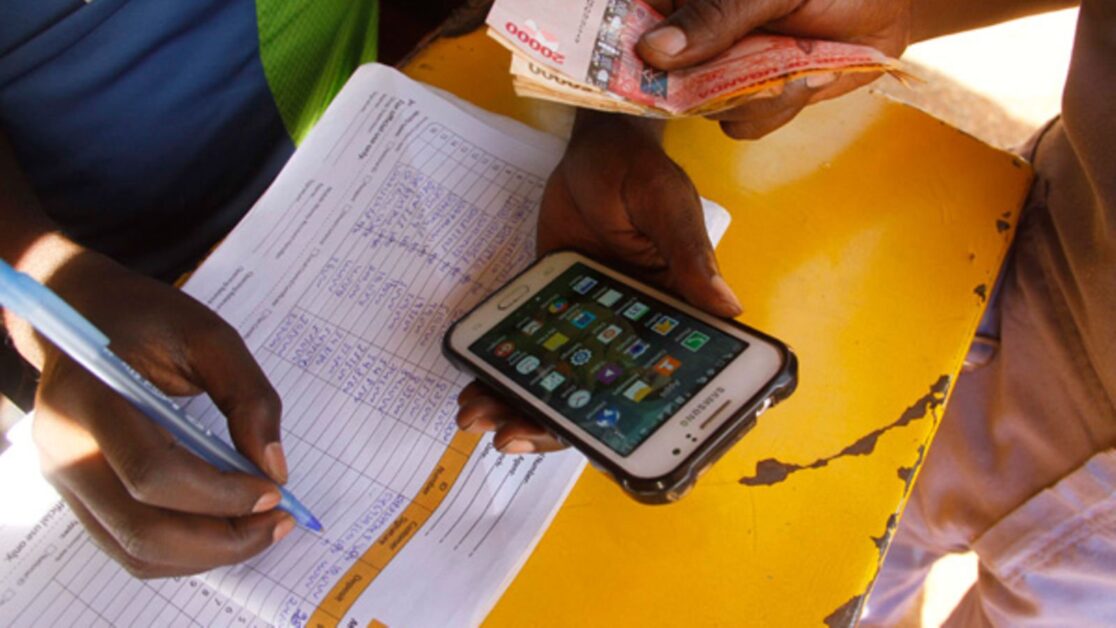
For over 15 years, Uganda’s financial landscape has undergone a revolutionary transformation, with mobile money evolving from a novel concept to a colossal economic engine.
What started as a simple service has grown into a powerhouse, with transaction values now surging into the trillions of shillings annually.
This monumental shift is projected to propel the sector to an astounding $1.15 trillion by 2033, firmly establishing mobile money as a cornerstone of the country’s digitally inclusive economy.
The journey of mobile money in Uganda began in March 2009, when MTN launched it, with Airtel and other providers followed subsequently.
Before then it was unfathomable that one could receive and withdraw money using their handset, without queuing in the bank.
The adoption of the mobile money service was swift and overwhelming, quickly becoming a vital financial tool for millions.
By 2014, 18.5 million registered customers were transacting a colossal UGX 24 trillion. This rapid expansion continued, reaching 21.1 million customers and UGX 32.5 trillion in transaction value by 2015.
The incredible growth has been a key driver in boosting access to formal financial services, which jumped from a meagre 28% in 2009 to a significant 54% by 2013, and today it stands at above 65%.
The extraordinary leap highlights mobile money’s success in reaching segments of the population previously excluded from traditional banking.
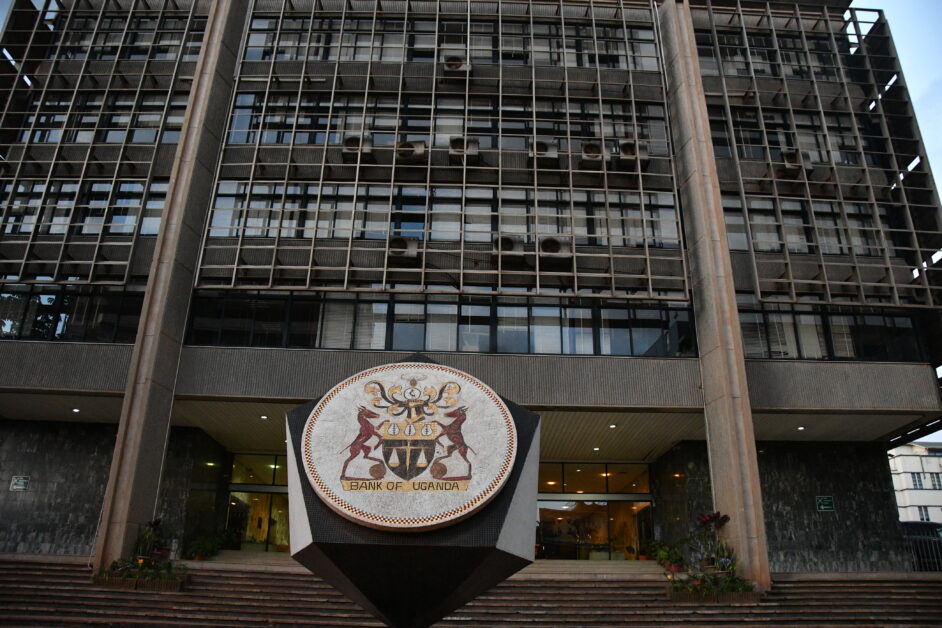
Bank of Uganda’s crucial role in shaping the sector
Recognizing both the immense potential and inherent risks of this soaring sector, Bank of Uganda (BoU) took decisive action, introducing mobile money guidelines in 2013.
The guidelines were crucial in establishing a robust framework, aiming to clarify roles, protect consumer funds, combat illicit financial activities like money laundering, and ensure transparency.
BoU’s proactive approach has instilled confidence in the mobile money ecosystem, fostered fair competition, and further enhanced financial inclusion by providing a secure and regulated environment.
Growth
What began primarily as a platform for person-to-person (P2P) transfers has morphed into a sophisticated suite of financial services.
Today, mobile money platforms facilitate a wide array of transactions, including merchant payments (P2B), statutory payments (P2G), bulk payments (B2P) for salaries and wages, and cross-border transfers.
It also supports mobile banking and government payments (G2P) for social benefits like Senior Citizens Grants.
The introduction of micro-loans, savings products, and group wallets for Saccos and village savings and loan associations further illustrates the continuous innovation and expansion of mobile money’s utility, transforming it into a truly comprehensive financial platform.
Despite this diversification, P2P transfers remain a dominant force, with 29% of Ugandan adults regularly receiving remittances through mobile money.
Impact
The economic impact of mobile money in Uganda is profound and far-reaching.
The instantaneous nature of P2P transfers enhances consumption certainty, boosting purchasing power and positively influencing overall economic output.
Furthermore, the sector has emerged as a significant job creator, employing thousands of agents, customer service representatives, and mobile money service provider staff.
 6 Ugandans Arrested in Connection to USD 3.4 Mn Equity Bank Rwanda Digital Heist
Mobile money also plays a vital role in bolstering tax revenue by simplifying and expediting statutory payments, leading to increased voluntary compliance.
Businesses, like the power company UEDCL (formerly Umeme), have reported improved efficiency and revenue collection rates by embracing mobile money for payments, demonstrating its capacity to reduce administrative costs and accelerate transaction speeds.
Socially, mobile money empowers families to manage their finances more effectively, facilitating essential expenditures such as school fees and improving access to healthcare by providing a safe way to save for future medical costs.
Its utilization in the provision of social benefits further underscores its role as a vital tool for social welfare and poverty alleviation.

The challenges
Despite these undeniable successes, the mobile money ecosystem in Uganda faces several persistent challenges.
Fraudulent activities, network issues, and limited interoperability between different mobile money platforms remain key concerns that continue to undermine user confidence and hinder seamless transactions.
The need for services tailored specifically for people with special needs also highlights an important gap in inclusive design.
Furthermore, complex issues surrounding the distribution of interest on escrow accounts and the management of unclaimed balances or dormant accounts require careful consideration and clear regulatory frameworks.
Enhanced security measures, robust infrastructure development, and the promotion of industry-wide interoperability are crucial for sustained growth and user satisfaction.
Developing more inclusive services and clear policies regarding interest distribution and dormant accounts will further strengthen the integrity and accessibility of the mobile money economy.
Market dynamics
The Uganda mobile money market, currently valued at $133 billion in 2024, is poised for remarkable growth.
Projections indicate it will reach an astonishing $1.15 trillion by 2033, exhibiting a robust Compound Annual Growth Rate (CAGR) of 25.73% between 2025 and 2033.
This impressive trajectory is fueled by increasing internet penetration, growing awareness, urbanisation, and continuous technological advancements.
Mobile money has already surpassed cash pick-up and bank deposits as the preferred method for receiving money, underscoring its deep integration into the financial habits of Ugandans.
Technologically, USSD currently dominates the market, though mobile wallets are gaining significant traction.
The mobile-led business model holds the largest share, reflecting the significant role of telecommunication companies like MTN Group and Bharti Airtel in driving market expansion.
Peer-to-peer transactions continue to be the largest segment, reflecting the enduring utility of mobile money for personal transfers.
Deepening integration and continuous innovation
Mobile money’s integration into Uganda’s financial fabric is comprehensive. It has been pivotal in advancing financial inclusion, particularly for rural populations.
Government’s embrace of mobile money for tax collection, social grant disbursements, and other transfers exemplifies its recognition of the platform’s efficiency and reach.
Businesses and merchants widely adopt mobile money for payments, offering unparalleled convenience to consumers.
Platforms are continually expanding their financial service offerings to include savings accounts, credit, microloans, and insurance.
The extensive agent network, often outnumbering traditional bank outlets, ensures widespread accessibility across the country.
Efforts to enhance interoperability between different mobile money platforms are crucial for fostering a more seamless and efficient ecosystem.
The constant innovation from mobile money providers, offering new products and services, will be key to meeting the evolving needs of both users and businesses.