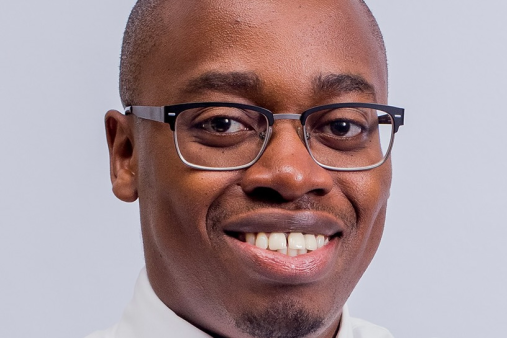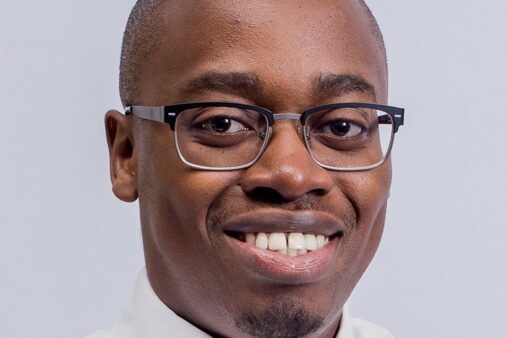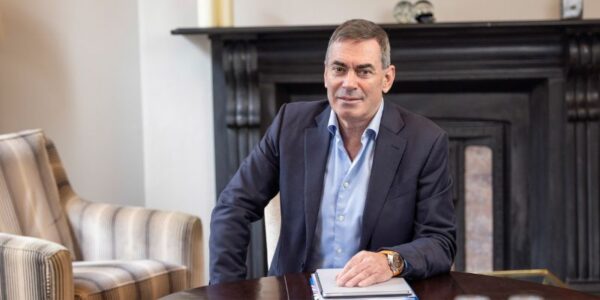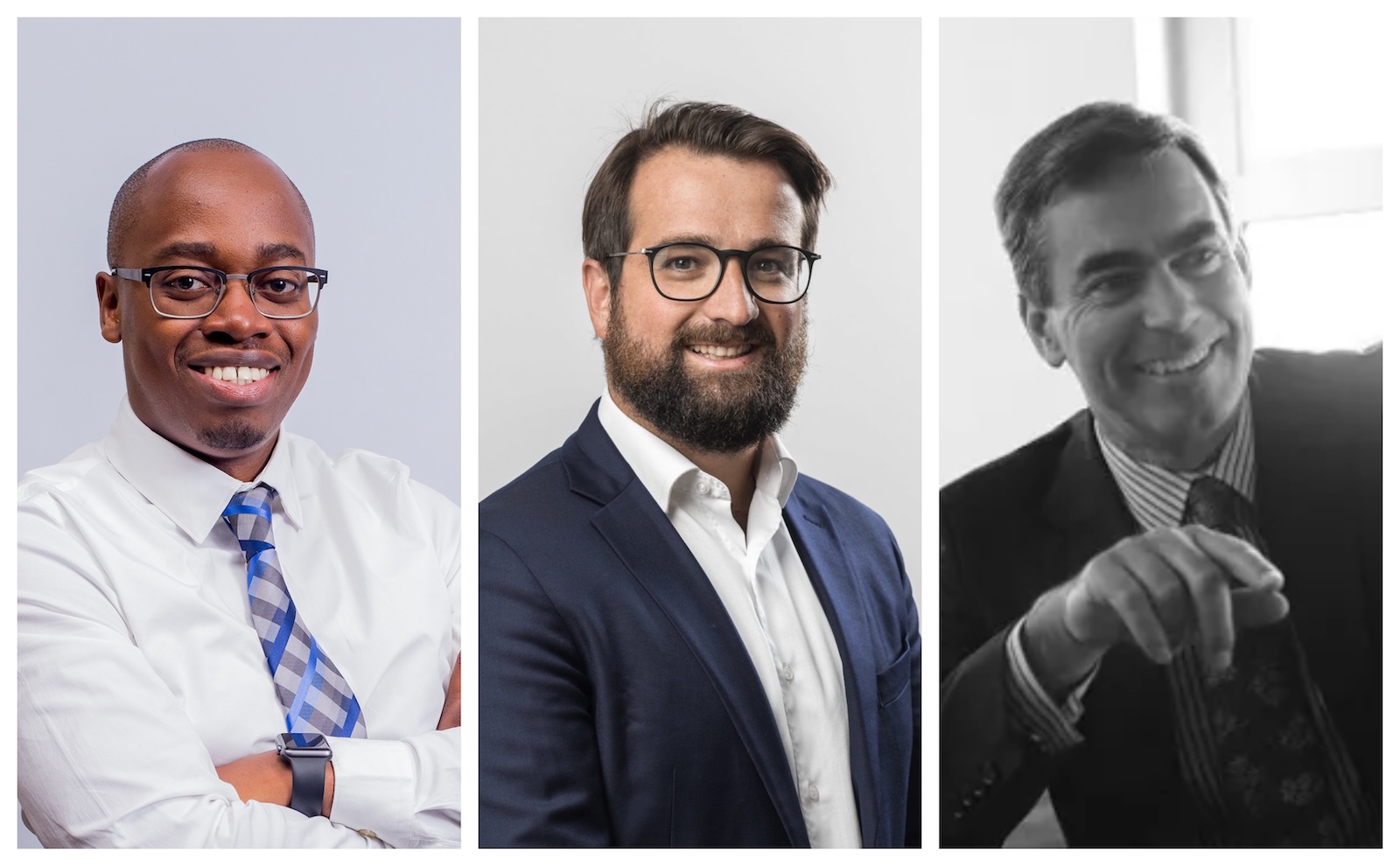
When a group of young medical and finance professionals in Uganda came together in 2012, they had a bold vision: to transform healthcare access through technology. Dr. Davis Musinguzi (CEO), alongside Dr. John Mark Bwanika (COO), Dr. William Lubega (Chief Medical Officer), Hope Fortunate Achiro (Chief Pharmacy Officer), and Fiona Nuwamanya (CFO), co-founded Rocket Health with the dream of making medical consultations, diagnostics, and prescriptions more accessible to Ugandans through telemedicine.
For Dr. John Mark Bwanika, the inspiration for Rocket Health stemmed from his early work in clinical research. He saw first-hand how healthcare in Uganda was structured around hospitals, requiring patients to travel long distances, endure long wait times, and struggle with accessibility issues. “The healthcare system had not been set up to take healthcare to the people,” he explained in a March 2022 interview with the CEO of East Africa Magazine. “Doctors were the custodians of medical knowledge, and people had no choice but to wait in line for hours for a few minutes of consultation.”
Meanwhile, Dr Davis Musinguzi and Dr William Lubega had long envisioned a more efficient model of delivering healthcare, one that used technology to bypass physical barriers and reach patients where they were. This vision aligned perfectly with Fiona Nuwamanya’s finance expertise as she sought to create a sustainable healthcare business model. “When Davis and John Mark discussed the idea with me, I could clearly see that it would revolutionise healthcare,” Nuwamanya recalled in the March 2022 interview. “It was an opportunity to create something impactful and sustainable.”
Together, they launched Rocket Health with a simple but ambitious goal: to use technology to make healthcare more accessible, affordable, and patient-centered.
From humble beginnings, Rocket Health grew into Uganda’s leading telemedicine provider, pioneering a model that combined 24/7 doctor consultations, medicine delivery, mobile laboratory services, and physical specialist consultations. The company’s impact was significant, attracting over 25,000 patients and securing major contracts, including one with UAP Insurance that validated its digital healthcare model.
The company’s biggest breakthrough came in 2015, when it landed a five-year USAID-funded project that allowed it to scale up operations and provide services to security personnel across 50 districts in Uganda. This project validated Rocket Health’s model and opened the door to further investment and expansion.
The US$5M Series A Breakthrough and Expansion Plans
Rocket Health’s success and rapid adoption signalled that telemedicine was the future, but the company needed substantial investment to scale beyond Uganda. This led to the search for funding, culminating in the US$5 million Series A round led by Creadev, an investment firm backed by the Mulliez family of French entrepreneurs. The round also saw participation from early-stage African investors Grenfell Holdings and LoftyInc Capital Management.
This was closed in March 2022, effectively also admitting the three companies as shareholders in the business.
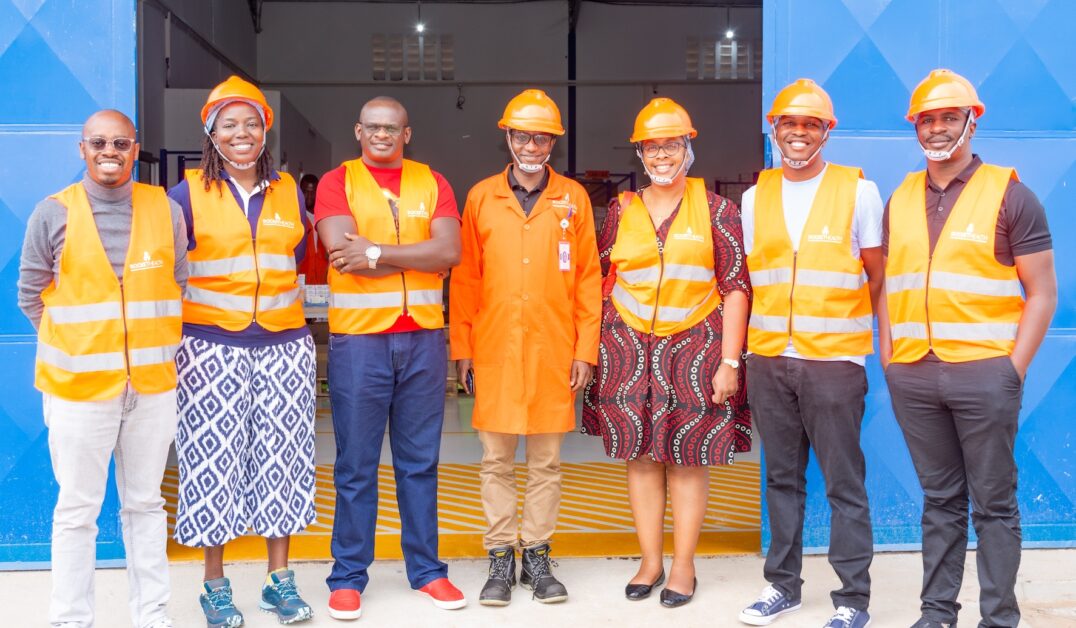
In a statement announcing the funding, the company said that the resources would be directed towards expanding its telemedicine services and improving healthcare access in East Africa. Key focus areas included:
- Technology Enhancement – Upgrading its digital health platform to improve teleconsultations, medicine deliveries, and remote patient care. The investment will also enhance data analytics and AI integration.
- Geographical Expansion – Scaling operations within Uganda and expanding into Kenya, ensuring broader healthcare access in underserved regions.
- Improved Accessibility & Convenience—Strengthening 24/7 teleconsultations, home sample collection, mobile lab services, and medicine deliveries will make healthcare more accessible.
- Strengthening Integrated Services – Expanding physical clinic consultations while maintaining seamless end-to-end digital healthcare solutions.
- Building a Sustainable Digital Healthcare Ecosystem – Partnering with pharmacies, insurers, and corporate healthcare programs to create a scalable, affordable, and sustainable healthcare model.
Creadev’s decision to back Rocket Health signaled strong investor confidence in Africa’s growing digital healthcare market. “We are delighted to partner with Rocket Health on its mission to make healthcare accessible to the many in Sub-Saharan Africa,” said Pierre Fauvet and Sarah Ngamau of Creadev Africa in a media statement. “We have been highly impressed by the creativity, tenacity, and vibrant culture of the Rocket Health team, which holds an ambitious vision for the future of African primary care.”
“The future of healthcare in Africa is digital. With the right technology, we can break down barriers, reduce wait times, and ensure that everyone, regardless of where they live, has access to the best medical care possible. This is just the beginning,” Dr. Davis Musinguzi optimistically reckoned.
With the Series A funding secured and an ambitious roadmap ahead, Rocket Health set upon expanding its reach with a mission to reshape the future of healthcare in Africa.
By February 4th, 2024, the company’s vision of becoming the healthcare provider of choice for anyone with access to a mobile phone or the Internet and making healthcare more accessible, efficient, and cost-effective was unfolding well.
Writing on his X feed, Dr. Davis Musinguzi said that everything seemed to be going according to plan. According to him, Rocket Health had managed to sign on 16 insurance companies as the client was finalising the launch of a mobile App. The company was also building a sales agent network. Rocket Health was also piloting an AI Customer Support system, building a real-time dashboard and analytics to monitor the entire operation.
Little did he know that in August of the same year, he would be unemployed and fired from the same company that he and his friends had co-founded.
What went wrong?
The Expansion That Led to the Fall
According to sources, it all started with the quest to expand, fueled by a COVID-19 epidemic windfall that saw the company’s turnover break new records. To sustain this growth, the company turned to fundraising, thus attracting the attention of Creadev Africa, Lofty Capital, and Grenfell Holdings.
According to people knowledgeable about the deal, the cash infusion was pegged to an expansion obligation and expand the business did.
According to an 18-month plan jointly planned with the new shareholders led by shareholders, the US$ 5 million would be deployed toward expanding Rocket Health’s services across Uganda and into Kenya, enhancing healthcare access through digital innovation and streamlined logistics. It would also focus on facilitating expansion, improving service delivery, and ensuring that more people have timely access to quality healthcare, whether in urban or rural communities. The key areas included:
- Expanding into Kenya with Full-Service Telemedicine: Rocket Health planned to establish a comprehensive telemedicine operation in Kenya, complete with a 24/7 call centre staffed with medical professionals, a mobile laboratory service for sample pickups and processing, a pharmacy dispatch system, and an e-commerce platform for seamless access to healthcare services. Operations in Kenya were expected to commence in the first quarter of 2023, marking a major milestone in Rocket Health’s regional expansion efforts.
- Strengthening Operations in Uganda: In Uganda, Rocket Health is setting up multiple healthcare hubs across the country to enhance service efficiency. These hubs will significantly reduce turnaround times for consultations, prescriptions, and lab results, ensuring that patients receive medical attention faster and more conveniently. The expansion would allow the company to extend its services beyond the 40-50 km radius around Kampala, reaching more people nationwide, particularly in underserved areas. The goal was to reduce patient waiting times from several hours in traditional hospitals to just 1-2 hours using Rocket Health’s digital-first approach.
To this end, a modern clinic was established in Gayaza on the outskirts of Kampala as the first stepping stone.
- A Game-Changing Mobile App: A critical component of Rocket Health’s growth plan was developing a dedicated mobile application. While the company operated through third-party platforms such as Facebook, Twitter, USSD, and call centres, the new app would integrate these services into a single, user-friendly interface. The app would also offer secure medical record storage, video and audio consultations, and an improved booking system, making healthcare access even more seamless for users across Uganda and Kenya.
- Revolutionising the Healthcare Supply Chain: Beyond patient care, Rocket Health also had its eyes on addressing inefficiencies in the healthcare supply chain. Many clinics, pharmacies, and hospitals struggle with the cumbersome process of sourcing medical supplies. Rocket Health launched an online wholesale platform to streamline this, enabling healthcare providers to order medicines and medical products digitally, with efficient logistics ensuring timely deliveries. The platform, it was hoped, would eliminate the hassle of physically sourcing medical supplies, allowing pharmacies and clinics in locations such as Kampala, Gulu, and beyond to place orders with ease and confidence.
- Leveraging Strategic Partnerships: To extend its reach, Rocket Health also rolled out a plan to strengthen partnerships with existing pharmacies, laboratories, and clinics across East Africa. These collaborations would allow the company to offer teleconsultation services even in locations where it does not have a physical presence, ensuring that more patients can access quality care regardless of their geographic location.
By expanding its geographical footprint, enhancing its digital infrastructure, and improving supply chain logistics, the company would not only make healthcare more accessible but also set the stage for the future of telemedicine on the continent. The 18-month plan aimed at transforming healthcare access, making it faster and more efficient, ultimately improving lives.
However, the expansion plan didn’t bring in as much cash as it was burning, and the US$5 million quickly depleted, with many of the expansion projects unfinished. Naturally, the founders, led by Dr. Davis Musinguzi, the CEO, turned to their cash-rich funders for a boost, but it was not forthcoming.
Around this time, Rocket Health is also said to have received a large tax bill from the Uganda Revenue Authority (URA), estimated at US$400,000, further complicating the cash crunch.
Shareholder Standoff and a ‘Forced’ Exit
Meanwhile, the post-COVID-19 windfall had come to an end, and the post-COVID-19 strategy wasn’t meeting projections, causing the investors to begin rethinking their agenda.
The investors apparently agreed to release another round of fresh cash if Dr. Davis & Co agreed to step down from management.
This fell on deaf ears.
Rocket Health’s founders apparently even explored the option of attracting a new funder – Iungo Capital, who even offered a new term sheet— a non-binding document outlining a potential investment’s main terms and conditions.
 NSSF Stake in MTN Uganda Shoots to Shs1.23 Trillion in Less Than a Month
However, Creadev, Grenfell Holdings, and LoftyInc Capital Management are said to have rejected this new funding without a change in management. Davis & Co. refused to budge, leading to a shareholder standoff.
According to the sources, this was partly precipitated by bad blood that had developed between Davis and particularly the management of Grenfell Investments, an angel investor who had had Rocket Health’s back even before the coming of Creadev.
In the meantime, we understand that a frustrated Creadev hired a consultant to audit and revalue Rocket Health with the aim of writing off their investment.
As the shareholder standoff went on, so did the cash crunch. Rocket Health was sinking further into the red.
By mid-2024, Rocket Health’s founders realised their folly. They couldn’t sustain the standoff against their relatively cash-rich institutional shareholders any longer, so they agreed to a ‘forced’ merger between The Medical Concierge Group (TCMG), the holding company for Rocket Health, with MYDAWA.
From the merger, they would get minority shares, but of a larger business.
MYDAWA Holdings is the out-of-Kenya e-healthcare firm that in July 2023 acquired 100% holding of Guardian Health, one of the 5 top pharmacy chains in Uganda, from Ascent Capital and its founder, Anthony Natif, at an undisclosed fee, but said to be upwards of US$10 million.
MYDAWA was founded in 2016 by Neil O’Leary, the Chairman and CEO of Ion Equity, a private equity firm that invests in the energy, agroforestry, multimedia, healthcare, and hospitality sectors on the continent, and Tony Wood, an ex-Wananchi Group and Alcatel-Lucent health technology, e-commerce, and strategy business leader. Its institutional shareholders include AAIC Investment, a Japanese-backed African healthcare fund, and Alta Semper Capital, a healthcare Private Equity firm that is the majority stakeholder.
CEO East Africa Magazine understands that under the RocketHealth acquisition deal, Creadev, Grenfell Holdings, and LoftyInc Capital Management agreed to swap their shareholding in Rocket Health for a shareholding in a now larger MyDawa that combined MYDAWA Kenya, Guardian Health in Uganda and course Rocket Health.
Creadev reportedly also agreed to bankroll the new entity with an additional US$3 million to fund operating capital for Rocket Health.
Dr. Davis was retained as CEO. Other founders were allowed to serve in transitory roles.
But as soon as the Rocket Health deal was consummated, Neil O’Leary, the now new Chairman of TMCG’s first assignment, was to immediately fire Dr. Davis. While he was allowed to serve his three months’ notice, this would be served off-station, marking the end of an era. This was in August 2024.
Dr Davis was replaced by Kamara Linda Billiart, formerly a regional manager at Guardian Health.
This is Business: MYDAWA weighs in
CEO East Africa Magazine contacted Dr. Davis to share his experience, but he neither acknowledged our inquiry nor responded to it.
Neil O’Leary, however, in an extensive interview with The CEO East Africa Magazine’s Executive Editor, Muhereza Kyamutetera, confirmed that MYDAWA had acquired 100% of Rocket Health’s business but said everything that happened in the run-up to the acquisition was simply business.
“There’s no such thing that I’m aware of in Ugandan law as a forced sale. I’m not sure where that comes from,” O’Leary said, adding: Every single shareholder in Rocket Health signed a contract to sell their shares. Now, if they have issues amongst themselves, or if they believe that they had grown the business themselves, they wouldn’t have had to sell. Well, that’s, that’s business, right? I mean, that’s life. That’s business”.
He also said that as far as he knew, the transaction wasn’t being contested in any courts of law. “There is no litigation from any shareholder, investor, or employee in Rocket Health arising from this transaction. If anyone has concerns, there are appropriate legal channels such as the labour tribunal, and we are open to engaging through those means,” he asserted.
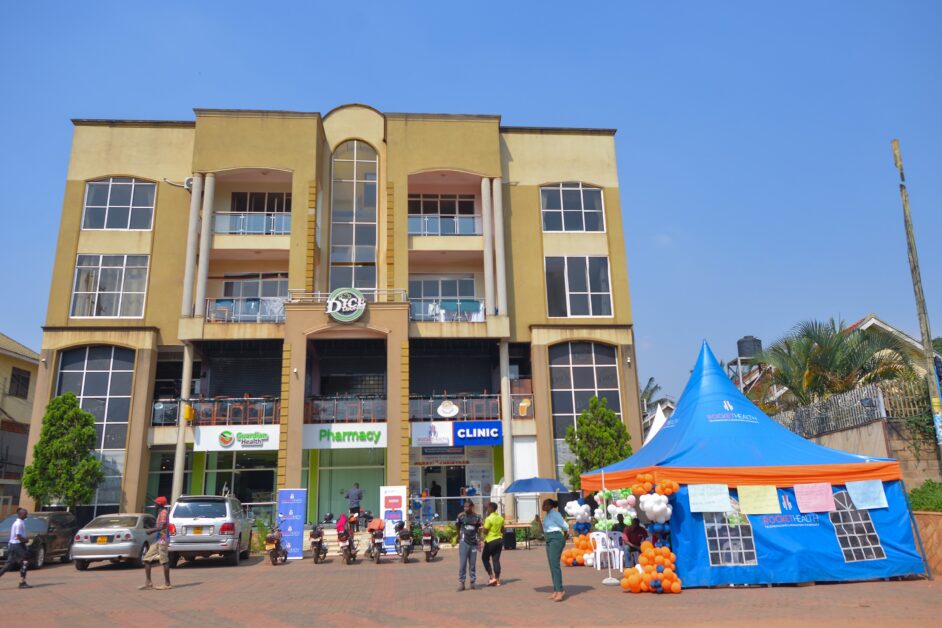
Beyond reaffirming the acquisition’s legitimacy, O’Leary highlighted how Rocket Health and Guardian Health are a perfect match, reinforcing each other’s strengths. According to him, Rocket Health had developed innovative telemedicine technology but lacked the scalability to sustain growth. Guardian Health, on the other hand, boasted a strong customer base and a well-established business model.
“It seemed pretty clear that for something like Rocket Health, access to a big customer base like we have in Guardian would be invaluable. The integration of Rocket Health’s technology into Guardian’s extensive network is already yielding positive results,” he explained.
This synergy is already evident in the business performance, with O’Leary revealing that Rocket Health recorded its best-ever month since the acquisition. “We expected December to be quieter, but instead, we had a record-breaking month. This proves that integrating Rocket Health into Guardian’s ecosystem has created an effective and scalable healthcare service,” he noted.
O’Leary further emphasised that the acquisition was part of MYDAWA’s broader vision to create a sustainable, hybrid healthcare model that combines digital innovation with physical presence. We are enhancing the Rocket Health model by incorporating Guardian’s resources, ensuring better service delivery for insurance clients and chronic care patients. This hybrid approach is the future of healthcare in Africa.”
The acquisition also extends beyond Uganda, as MYDAWA plans to leverage Rocket Health’s telemedicine technology in Kenya, further expanding its reach. “Not only will we use the Ugandan-built telemedicine technology locally, but we are also rolling it out in Kenya. This is a testament to the quality of the innovation that Rocket Health had developed.”
O’Leary insisted that the MYDAWA-Rocket Health-Guardian Health combination is not just a rescue mission but a strategic move to create a more sustainable and scalable healthcare system. “The combination of the expertise from Guardian, Rocket Health, and MYDAWA is shaping East Africa’s healthcare landscape into something far more efficient and customer-focused. We believe we are on the right track, and the results so far validate that belief.”
With robust backing from major investors and a clear strategic roadmap, MYDAWA is positioning itself as a dominant force in digital healthcare across Africa. It is turning challenges into opportunities for growth and innovation.
A Lesson in Startup Realities
Rocket Health’s story is one of ambition, innovation, and hard realities. It highlights the challenges faced by African startups—especially those in capital-intensive industries like healthcare—where expansion often hinges on external investors whose interests may diverge from the founders’ vision.
Despite the dramatic conclusion, Rocket Health’s impact on Uganda’s healthcare landscape is undeniable. Its pioneering model reshaped telemedicine in the region, and its innovations continue under new ownership. For Dr. Davis Musinguzi and his co-founders, the journey may have ended at Rocket Health, but their legacy in digital healthcare innovation will live on.
As the dust settles, one thing is clear: in the high-stakes world of startups, rapid growth and investor influence can be a double-edged sword.