2025 is surely a year that seemed so far off, let’s take a moment to reflect on how we spoke of 2025 in say, 2019, It truly felt like a long way ahead, one thing is for sure, the phrase time flies has never felt more real. The biggest shock is not really how fast we got here, but more in questioning how far we have come in achieving the Sustainable Development Goals (SDGs).
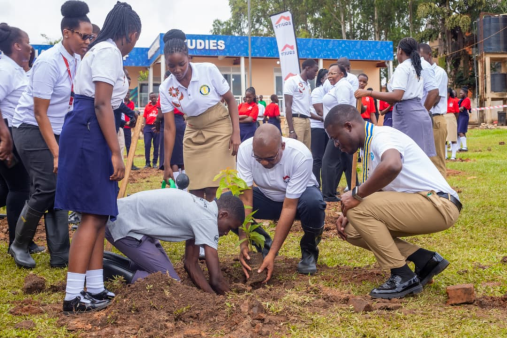
This year is significant in discussions around the achieving the SDGs majorly because, some SDG targets have specific deadlines for 2025, such as SDG target 6.3 and 6.6 under, SDG 6 – Clean Water and Sanitation, targets 14.1,14.2,14.4,14.5 under SDG 14 – Life Below Water and target 15.2 under SDG 15 – Life on Land. Needless to say, these targets speak to climate action, conservation, and the urgency of tackling environmental degradation before the broader deadline set for 2030.
Speaking of the 2030 deadline for the SDGs, 2023 marked the mid-point since the setting of the SDG global agenda in 2015. But as we all know, just before this mid-point milestone, the COVID-19 pandemic struck and unfortunately stalled the progress made towards achieving the SDGs. The UN Global Sustainability Report, 2023 revealed that only 15% of the SDG targets were on track, while many were off course and in regression.
Before the pandemic, significant progress was registered toward achieving some of the global goals; I will point out a few, starting with SDG 1, which addresses Poverty. According to the World Bank’s Poverty and Shared Prosperity Report, 2020, global extreme poverty decreased from 10% in 2015 to 8.6% in 2018. SDG 3, which tackles good health and well-being, according to UNICEF, saw a 60% reduction in the global under-five mortality rate from 1990 to 2019 and a general increase in access to essential healthcare services. In terms of achieving gender parity under SDG 5, women’s political participation increased from 22.3% in 2015 to 24.9% in 2018. Looking in line with economic growth, under SDG 8, the UN Sustainable Development Goals Report, 2019 indicated that the global GDP per capita grew by 2% in 2018. World Bank reports in 2019 also noted steady economies, a general improvement in labour productivity and job creation. It is interesting to imagine that perhaps at the time, we may not have appreciated some of this remarkable progress made toward achieving a sustainable future. This is yet another lesson for us all, we need to savour every milestone.
Now, circling back as earlier mentioned, challenges such as the COVID-19 pandemic, the post-pandemic effects, global conflict, displacement, and natural disasters have caused significant global development setbacks. Over 100 million people slipped back into extreme poverty in 2021. Further, on the economic front, global GDP shrank by 3.4% in 2020, erasing years of job creation. The global gender gap index declined from 69.5% in 2019 to 68.5% in 2024, as per the Global Gender Gap Report, 2024. And forced displacement is on the rise, the United Nations High Commissioner for Refugees (UNHCR), reported nearly 123 million individuals were displaced by the end of June 2024 due to the ongoing global conflict.
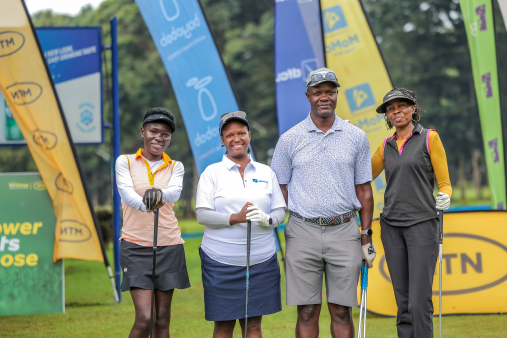
Now, while these indicators are alarming, not all hope is lost. As James Clear states, “We should be far more concerned with our current trajectory than with our current results.” Amidst so much chaos and disappointment, one thing has become evident: the value of sticking together. Communities, countries, regions, continents, and sectors saw the need to collaborate, and to me, this shone a light on SDG 17 – Partnerships for the Goals. While recovering from the effects of the COVID-19 pandemic and other challenges, SDG 17 has been the backbone of the global development community, it is clear now more than ever that collaboration is the best and most sustainable way forward to achieving the SDGs.
 Execution Is Strategy: Why East Africa’s Future Depends on Operational Excellence
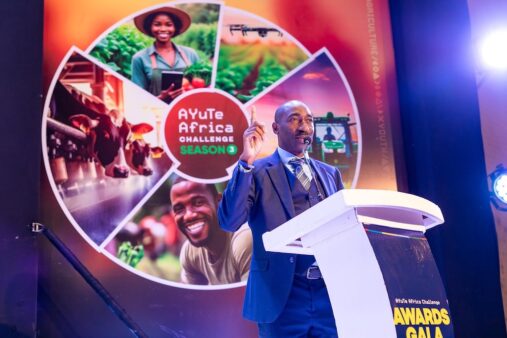
Let’s take, for instance, the Private Sector’s involvement in SDGs, which primarily stems from the global communities’ realisation that acceleration of progress on the SDGs requires all hands on deck. Governments and Civil Society alone cannot make the required progress. Through sharing best practices, bridging financing gaps, and promoting accountability in value chain sustainability and ethical standards, collaboration with the private sector has built significant innovation capacity, reshaped perspectives, and forged new narratives for sustainable development on a broader scale. This is just one instance of how partnerships build firm foundations and move us in the right direction. However, more than anything else, SDG 17 has made the world even smaller with the formation of cross-continent economic blocks such as BRICS.
One of my favourite aspects of SDG17 is the fact that it provides a unique opportunity for us to ‘leave no one behind’ through inclusive dialogues. Having the voices of marginalized groups and smaller states heard as well as recognising the value of diverse expertise at the global table is what the world needs for progress.
With only four years to go to the 2030 SDG deadline and the global challenges still at hand, I truly believe that these barriers to achieving the SDGs are teaching us the greatest lesson of all which is, to be empathetic, collaborative, resourceful, and passionate together.
Better days are ahead and we can achieve far more than the targets set as a unified force.
Let’s Partner for the Goals!