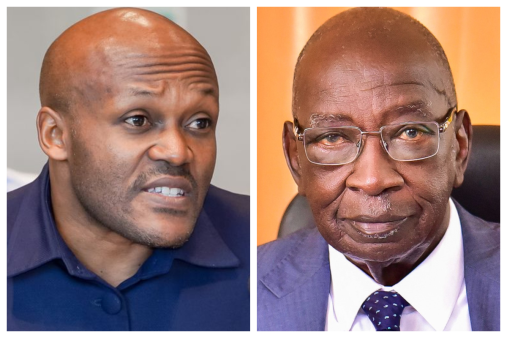
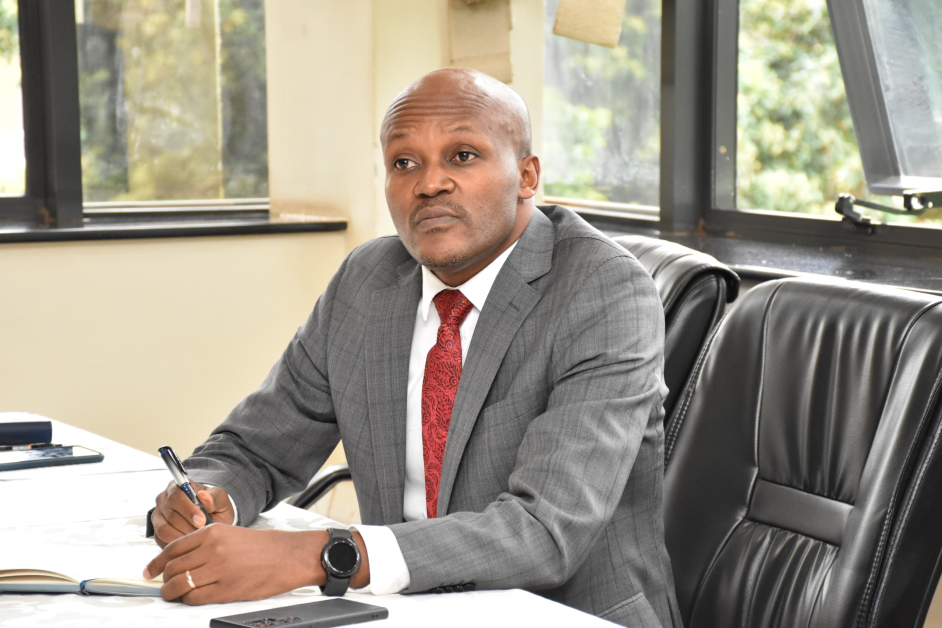
If the UNBS Executive Director, Eng James Kasigwa, survived the storm that followed his appointment in May 2024, he would need every ounce of luck and loyal allies to survive what now looks like a tornado.
At the centre of the turbulence are allegations of fraud, defiance, and mismanagement that have shaken one of Uganda’s most important regulatory institutions to its core.
At the heart of the controversy lie four explosive threads: an unclear thirty-thousand-dollar payment to the Ministry of Trade, unauthorised trips by MPs to Arusha in open defiance of a presidential directive, the diversion of agency funds, and a recruitment process that benefited Kasigwa but was “fundamentally flawed”.
What began as muted whispers of irregularities has escalated into a full-scale statutory investigation that could end in prosecution.
In an urgent memorandum dated August 26, 2025, the Ministry of Trade described Kasigwa’s appointment as “disastrous,” alleging that his tenure had crippled Uganda National Bureau of Standards’ operations and driven its performance to unprecedented lows.
The memo claimed that the recruitment violated the Public Procurement and Disposal of Public Assets (PPDA) Act, noting that the firm that handled interviews had been handpicked by the former board, bypassing competitive procedures.
“His disastrous tenure has proven that this was never a merit-based selection, crippling UNBS through incompetence and malfeasance,” the memo read, setting the stage for a series of administrative aftershocks that would soon follow.
The revelations triggered a chain of events culminating in Kasigwa being ordered to take leave, while the National Standards Council (NSC) investigates allegations of insubordination, misconduct, mismanagement, and corruption.
The $30,000 payment and MP trips
Among the most eye-catching allegations is a $30,000 payment Kasigwa is said to have authorized to the Ministry’s own Permanent Secretary “for unclear reasons.”
The memo also accuses him of using UNBS funds to sponsor MPs on foreign trips, in defiance of a standing presidential ban.
These actions, along with claims of unapproved bank accounts opened in Centenary and Housing Finance Bank to divert non-tax revenue, have been characterized as part of a “parallel financial system run off the books.”
The suspension
By early October, pressure on the embattled director had reached a breaking point.
On October 7, 2025, the Ministry of Trade directed Kasigwa to step aside to allow investigations by the National Standards Council to proceed unimpeded.
Although the directive described the leave as “administrative rather than punitive,” insiders saw it as a calculated move to secure files, preserve evidence, and limit Kasigwa’s access to key systems.
“You are hereby directed and authorized to take your annual leave of 30 working days effective October 15, 2025.”
Kasigwa was ordered to hand over the office to Patricia Bageine Ejalu, Deputy Executive Director in charge of Standards, on October 14.
She would serve as Acting Executive Director during his absence, under the supervision of Eng James Kalibbala, the chairperson of the National Standards Council.
What looked procedural on paper appeared to many insiders as the first step toward a larger reckoning.
The lingering question, even within government circles, was the same: why now—and why this way?
Kasigwa’s appointment was stormy, but he seemed to be protected.
Yet, just less than two years the Ministry of Trade, which approved his appointment, has now turned around to hang him, saying “his disastrous tenure has proven that this was never a merit-based selection”.
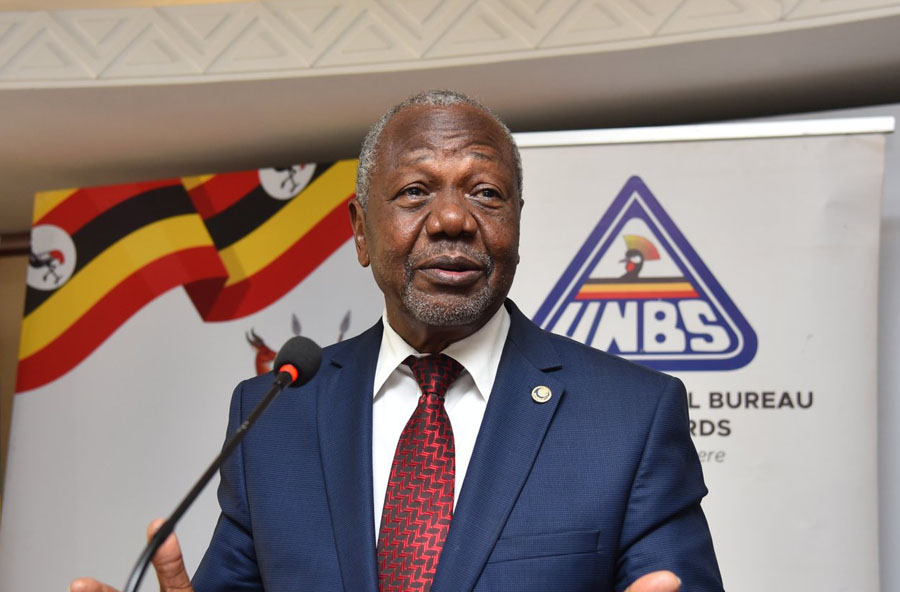
The memo that triggered the crisis
The forced leave was merely the climax of a scandal that had been brewing for weeks.
The Ministry of Trade’s August memorandum painted a grim picture of an agency in free fall, accusing Kasigwa of presiding over a “systematic corruption crisis” that endangered Uganda’s economy, public safety, and credibility.
The memo charged that under his watch, second-hand vehicles had been imported into the country without proper inspection, some allegedly carrying radiation risks.
 Inside the Balance Sheet: CFO Doreen Kyomugisha on Building Capital Strength and Financial Discipline at SanlamAllianz General Uganda
It accused him of derailing the Digital Tax Stamps system by frustrating the contract with the service provider SICPA, and attempting to set up a competing IT system.
The allegations went further, claiming UNBS failed to verify weighing scales for an entire year after Kasigwa canceled a verification contract—an omission that reportedly cost government daily revenue and left traders and consumers vulnerable to exploitation.
Financial irregularities featured prominently. Kasigwa was accused of defying orders to remit digital tax stamps revenue to the Treasury, reallocating nearly 40% of the agency’s budget without approval, and using public funds for questionable expenses, including consultancies.
The memo also accused him of purging senior officers such as Eng John Paul Musimami and Legal Manager Hassan Walusimbi, both of whom reportedly resisted irregularities.
Their contracts were not renewed, leaving behind a leadership team described as “pliant” and compliant.
Taken together, the memo’s language was stark. “The Bureau has become a clear and present danger to both public safety and economic security.”
The minister’s directive
The August memo prompted an equally swift response. On September 3, 2025, Trade Minister Francis Mwebesa invoked the UNBS Act and formally tasked the National Standards Council to investigate the allegations.
Mwebesa cast the probe not as a personnel dispute but as a matter of national interest—touching on economic security, consumer protection, and Uganda’s reputation with trading partners.
The investigation was to examine recurring insubordination, irregularities in the Pre-Export Verification of Conformity programme, manipulation of digital conformity systems, neglect of legal metrology obligations, and serious breaches of the Public Finance Management Act.
Even as he pressed for urgency, the Minister emphasized due process, directing that Kasigwa be allowed to respond to all charges before any conclusions were drawn.
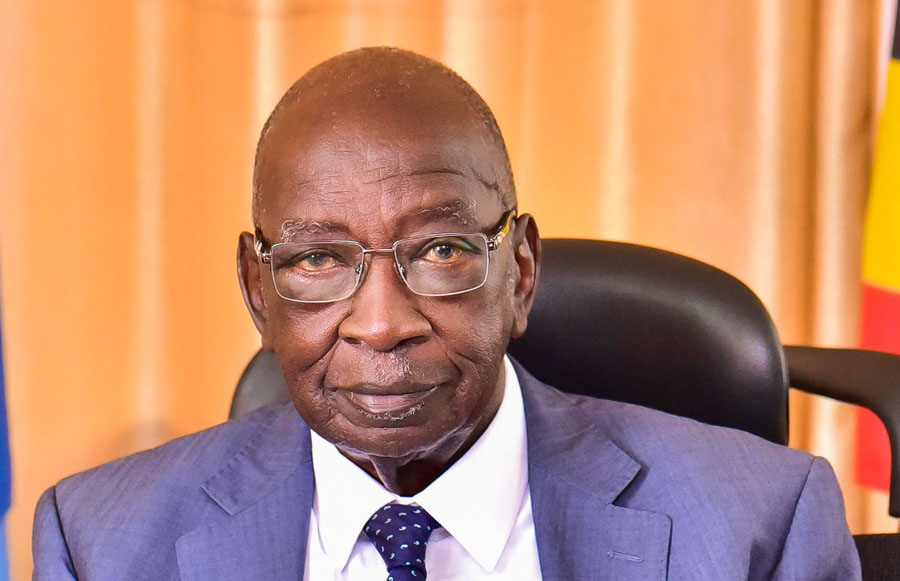
The Council moves in
A week later, on September 10, 2025, the National Standards Council, chaired by Eng Kalibbala, formally summoned Kasigwa to appear on September 16.
The notice repeated the full list of allegations and enclosed the Minister’s directive to ground the inquiry in statute.
“You are requested to cooperate fully to assist the Council’s deliberations,” the letter stated, a polite yet unmistakable reminder of the Council’s authority.
From that moment, the saga stopped being bureaucratic gossip and became a formal statutory process that would decide the future of the country’s standards body—and the fate of its executive director.
The bigger picture
The unfolding scandal at UNBS is more than an internal power struggle.
It has become a defining test of governance in one of Uganda’s most influential regulatory agencies.
Faulty scales, unsafe imports, and diverted funds strike at the core of consumer trust, trade integrity, and fiscal discipline.
Whether this saga ends with exoneration or accountability, it exposes the fragility of oversight within institutions meant to safeguard public interest.
For now, both the Bureau and its embattled chief remain suspended in uncertainty—as $30,000 mystery, the unauthorized trips, and the allegations of diverted cash continue to cast a long shadow over Uganda’s standards regime.
But beyond this, is an agency at war with itself; always engulfed in leadership battles and tainted with corruption.
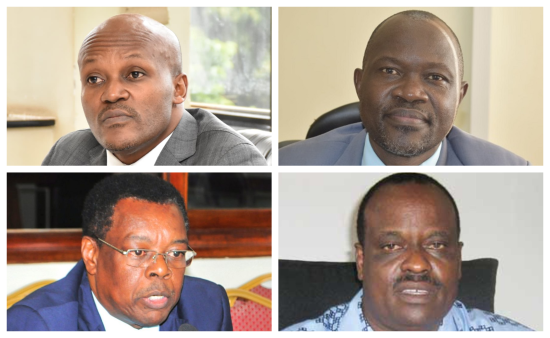
In the last 20 years, UNBS has had five executive directors, but only one has exited the agency due to retirement.
The rest have left as a result of sacking.