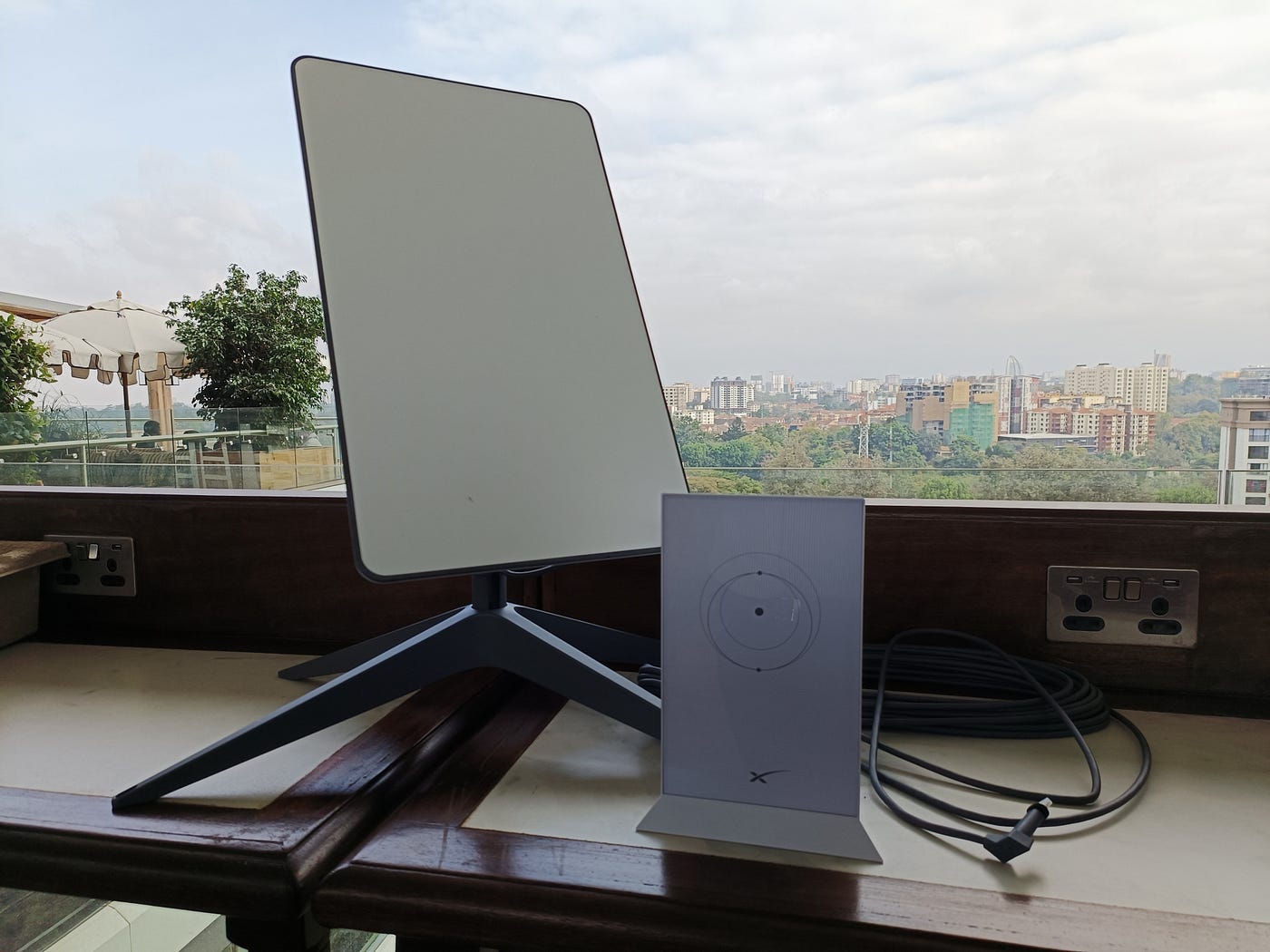
As Uganda’s population increasingly embraces the digital age, the country’s internet landscape is undergoing a significant transformation. The once-dominant players, Airtel and MTN, now face stiff competition from a growing number of internet service providers (ISPs) offering a diverse range of solutions to meet the evolving needs of Ugandan homes and businesses.
The fibre optic market, in particular, has seen a surge in activity, with established players like Liquid Telecom, Zuku, and Simba Telecom joined by newcomers such as Canal Box and Sprint. These ISPs are leveraging the power of fibre technology to deliver high-speed, reliable internet connectivity to an ever-expanding customer base.
Moreover, Uganda is poised to join the ranks of countries utilizing satellite-based internet services in the fourth quarter of the year. Starlink, the satellite internet service provider backed by billionaire Elon Musk, is set to launch its operations in the country, offering an alternative solution for areas where traditional fibre and cellular networks may not reach.
Starlink is a satellite internet constellation developed by SpaceX, aimed at providing high-speed internet access to underserved and remote areas around the globe. Conceived in January 2015, the project was initially announced by CEO Elon Musk, who envisioned a network of satellites that would ultimately “rebuild the internet in space.” The motivation behind Starlink’s development stems from the desire to capture a share of the estimated $1 trillion global internet connectivity market, which is crucial for supporting Musk’s broader ambitions, including the colonization of Mars.
Early Development and Launch.
The early days of Starlink involved significant regulatory groundwork. SpaceX filed documents with international regulators to deploy approximately 4,000 satellites in low Earth orbit (LEO). As the project evolved, the estimated number of satellites expanded to potentially 42,000, with the U.S. Federal Communications Commission (FCC) granting permission for 12,000 satellites and additional filings for 30,000 more. The first successful launch occurred on May 23, 2019, when SpaceX deployed 60 satellites using a Falcon 9 rocket. This marked the beginning of a rapid expansion phase, with thousands of satellites launched in subsequent years.
How Starlink Works.
Starlink operates by utilizing a constellation of satellites orbiting approximately 550 kilometres (about 342 miles) above Earth. These satellites communicate with ground stations and user terminals, which are equipped with phased-array antennas that can automatically align with satellites overhead. The system is designed to provide low-latency internet access, with speeds comparable to traditional broadband services.

Starlink’s unique architecture allows it to deliver internet connectivity to areas where terrestrial infrastructure is limited or non-existent. The satellites are designed to work in conjunction with one another, forming a mesh network that reduces latency and increases reliability.
Starlink differs significantly from traditional broadband and fibre internet services in several key aspects. Traditional broadband relies on physical cables, such as DSL, cable, and fibre, which are laid out across cities and rural areas. In contrast, Starlink employs a satellite-based system, eliminating the need for extensive ground infrastructure. This innovative approach allows Starlink to provide internet access in remote or rural areas where conventional internet services are either unavailable or unreliable, making it a viable option for users in underserved regions globally.
Starlink offers lower latency compared to traditional satellite internet, which can experience delays of several hundred milliseconds. However, it still has higher latency than fibre-optic connections, which typically provide latency below 20 milliseconds. Starlink’s latency generally ranges from 20 to 40 milliseconds, depending on satellite positioning and user location. In terms of speed, Starlink’s internet can vary widely, typically offering download speeds between 50 to 150 Mbps, which competes well with many broadband services.
Africa has the lowest internet penetration rate globally, with only 39% of the population having access, compared to a nearly 60% global average. This disparity is even more pronounced between urban and rural areas, where smartphone usage in urban regions can exceed that in rural areas by almost 200%. Starlink’s satellite technology offers a viable solution to this challenge, providing internet access to remote and underserved areas where traditional infrastructure is lacking.
The potential benefits of improved connectivity are vast. Enhanced internet access can facilitate better educational opportunities, enabling students in remote regions to access online resources and participate in distance learning. Additionally, improved connectivity can support telemedicine initiatives, allowing healthcare providers to reach patients in previously isolated areas.
Starlink’s African journey began in Nigeria, where it secured international gateway and Internet Service Provider (ISP) licenses from the Nigerian Communications Commission in May 2022. By February 2023, the service was officially launched, marking a significant milestone for both Starlink and the country. The initial pricing structure in Nigeria was set at NGN 38,000 (approximately $25) per month, with a one-time hardware cost of NGN 440,000 (around $290). This pricing was later reduced from an initial cost of NGN 800,000 ($528) in April 2024, demonstrating Starlink’s commitment to making its service more accessible to Nigerian users.
Following Nigeria’s lead, Starlink expanded its services to Rwanda in March 2023, where it focused on enhancing educational connectivity by providing internet access to schools. By the end of 2023, Rwanda had recorded approximately 3,448 subscriptions. Throughout 2023, Starlink’s presence grew significantly, with launches in six additional countries: Mozambique, Kenya, Malawi, Zambia, Benin, and Eswatini. As of May 2024, Starlink’s services are operational in eight African countries, with plans to reach many more including Uganda, where it plans to launch before the end of 2024.

Despite its rapid expansion, Starlink has encountered several hurdles in the African market. These include regulatory challenges, operational delays, and affordability concerns.
Starlink has been warmly embraced by authorities in Rwanda and Malawi, but this positive reception starkly contrasts with the mixed responses seen in other African nations. A month before its commercial launch in March in Rwanda, Starlink received its operating license and initiated a pilot program that served 500 schools. By the end of 2023, the satellite broadband provider had amassed 3,448 subscriptions, as reported by the Rwanda Utilities Regulatory Authority.
On the other hand, navigating the regulatory landscape has proven complex for Starlink in countries where the government still maintains a tight grip over internet censure. In Angola, the company faced delays in launching its services due to the need for operating concessions from the Angolan Institute of Communications, pushing its launch timeline from Q4 2023 to Q3 2024.
Similarly, in Zimbabwe, the Postal and Telecommunications Regulatory Authority of Zimbabwe (POTRAZ) initially warned that Starlink was not licensed to operate, leading to a temporary blockage of its services until a license was granted in May 2024. These challenges highlight the importance of proactive engagement with local regulators to ensure compliance with national laws and facilitate smoother operations. This raises doubts over Starlink’s operation in Uganda.
While Starlink has also made strides in reducing its pricing, the service remains relatively expensive for many African consumers. Innovative pricing models and potential government subsidies or public-private partnerships may be necessary to enhance accessibility for a broader segment of the population.

PRAU Honors Uganda’s Top Innovators at 9th Excellence Awards