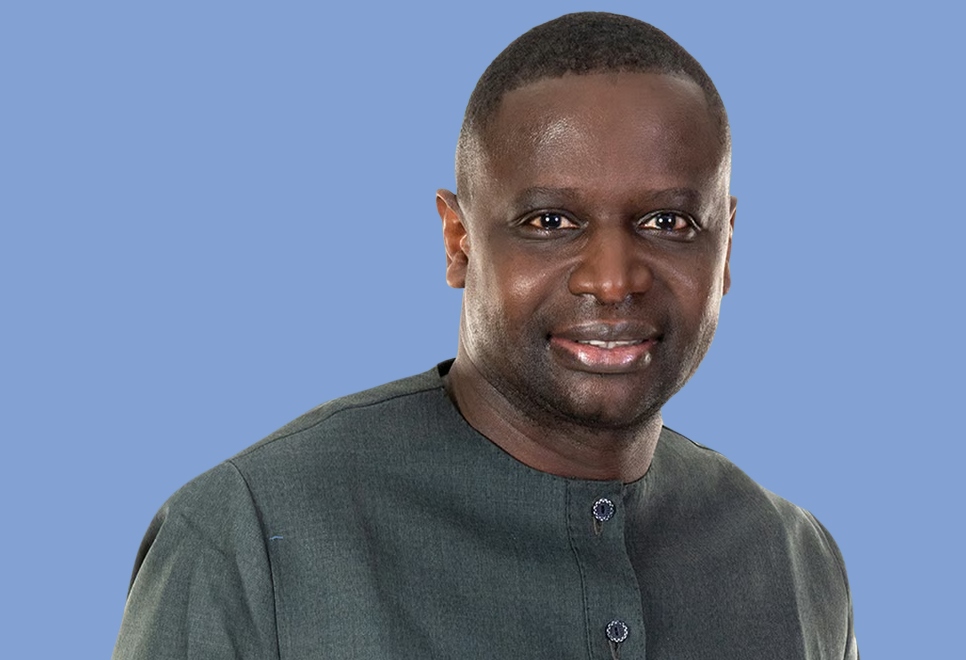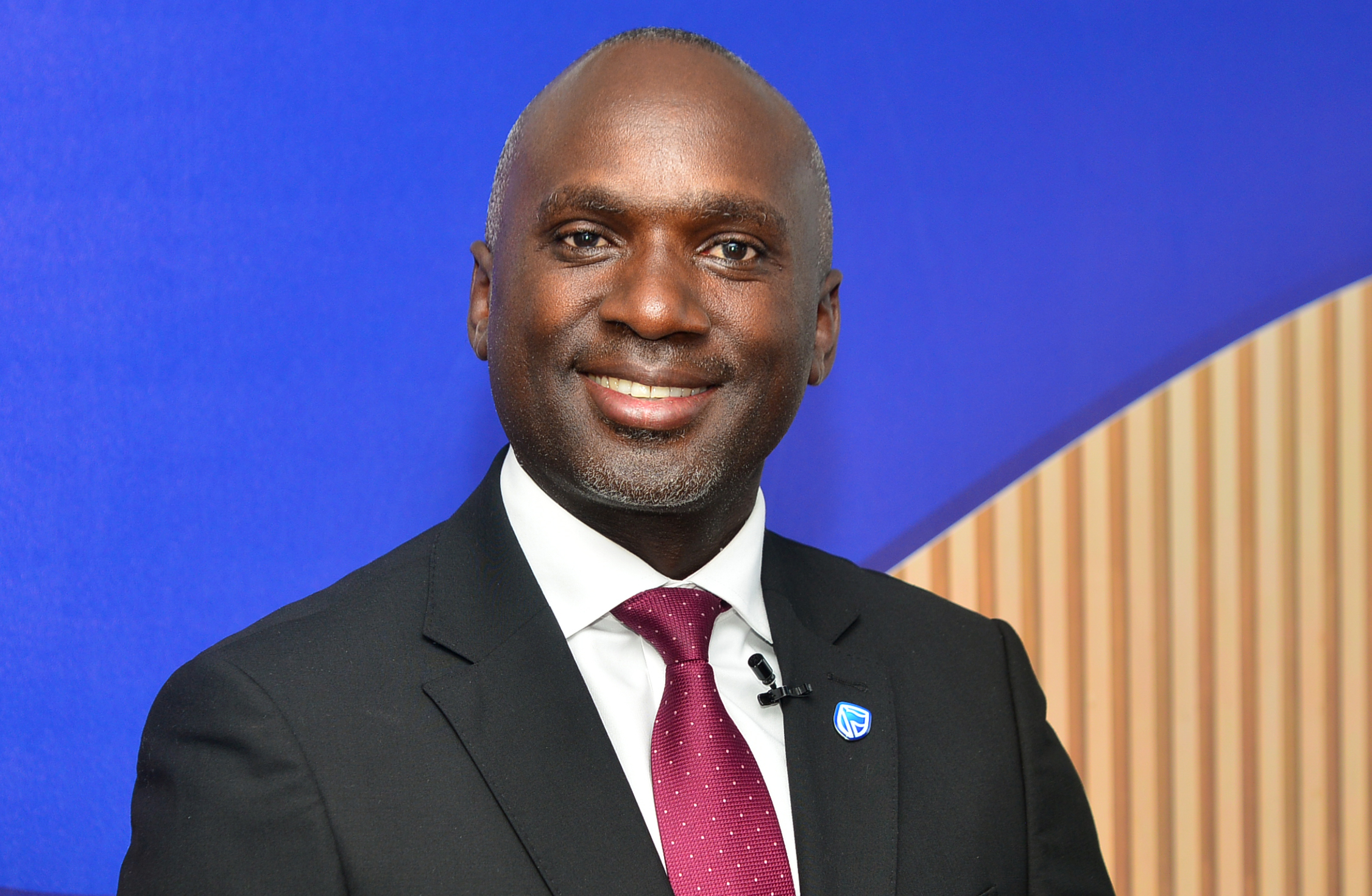
Stanbic Bank’s Head of Personal Banking, Israel Arinaitwe, often returns to a lesson Adam Smith captured in The Wealth of Nations: economic progress depends on a society’s stock of capital. To him, it’s not just a theory—it’s a mindset Ugandans can adopt to improve their lives today and strengthen the future for generations to come.
In an interview with the CEO East Africa Magazine, Israel frames that idea through Stanbic Bank’s latest brand campaign, Keep Growing.
He describes it as more than a slogan, rather, a national call to action aligned to the bank’s purpose.
“At Stanbic, we say, Uganda is our home, we drive her growth,” he notes, adding that the campaign reflects a commitment to helping the country advance through steady, intentional progress, especially among clients and young people.
At the heart of that progress, Israel emphasizes, is a culture of saving. In his view, saving is one of the clearest steps an individual can take toward a better life because it builds the capital that fuels opportunity.
As he puts it, capital comes from saving, and without saving, growth remains difficult for a person, a business, or a nation.
He stresses that saving isn’t reserved for the wealthy; it’s a discipline within reach of anyone who wants a better life.
The bigger barrier, he says, is mindset. “The problem is people in our communities think that you save what is left, but that is wrong because after you finish spending, there’s nothing left.”
To explain the right approach, Israel recalls a familiar practice in many traditional homes: when dinner was ready, a mother would first set aside the children’s breakfast for the next day before serving the meal.
“That is what they call saving,” he says. “Before you think of spending money, you first put away a portion for saving. It is not for the super highly paid.”
In his view, saving also drives productivity. It becomes the foundation for accumulating resources, money, tools, land, or other assets that can transform livelihoods.
He urges young people to be deliberate about it, whether they are employed or running a business.
 Stanbic Accelerates Uganda’s Digital Future with “Kikole Ku Speedii” Campaign
“If you have started a business, I urge you to start if you haven’t, and if you are employed and you have a job, please save some money because you will need it in the future… to expand your business.”
Israel points to Uganda’s growing financial inclusion as a key enabler. With digital banking and agent networks, opening and using an account is increasingly simple.
“Banks have been brought to our doorstep,” he says. “Through the phone or through the agent, you can have a bank account. There you will be able to save your money.”
Yet, he notes, about 30% of Ugandans still keep money at home, where it earns nothing. He encourages them to use secure, interest-bearing accounts instead: “Your money is safe. You put it in a savings account and get interest. That means it is multiplying.”
Beyond conventional saving, he highlights investment options such as unit trusts, which can generate returns through money market funds. “The best thing in life is not you working for money but money working for you,” he says, urging young people to explore unit trusts, treasury bills, bonds, and property.
He adds that Stanbic supports clients in building income streams through initiatives such as developing commercial units and enabling returns from land and rentals. “We are helping our clients generate, keep, and get more from what they have,” he notes.
His message, he adds, should start early, even at birth. He encourages parents to begin saving for their children immediately, pointing to child accounts that earn interest and help families build a stronger future.
“You can start their saving journey because we have a child account for you… This is good for all Ugandans as we seek to keep growing.”
As the year ends and the festive season begins, Israel also urges Ugandans to celebrate responsibly and stay financially alert. He warns against overspending in December only to face a difficult January. “I think January will be here,” he jokes. “Don’t make it 75 days in January, yet it has to be 30.”
He closes with a reminder on security: protect personal banking information, keep passwords private, and report any suspicious activity promptly. “Just make sure that your account and your financial assets are safe,” he says, adding that the bank is committed to keeping clients’ assets secure.