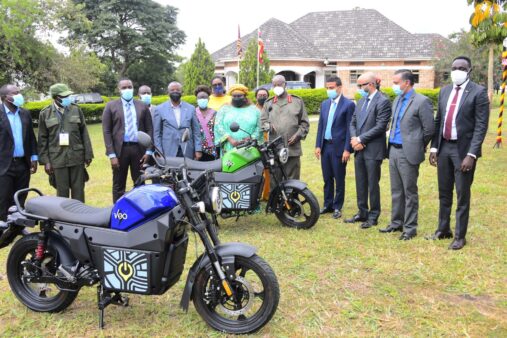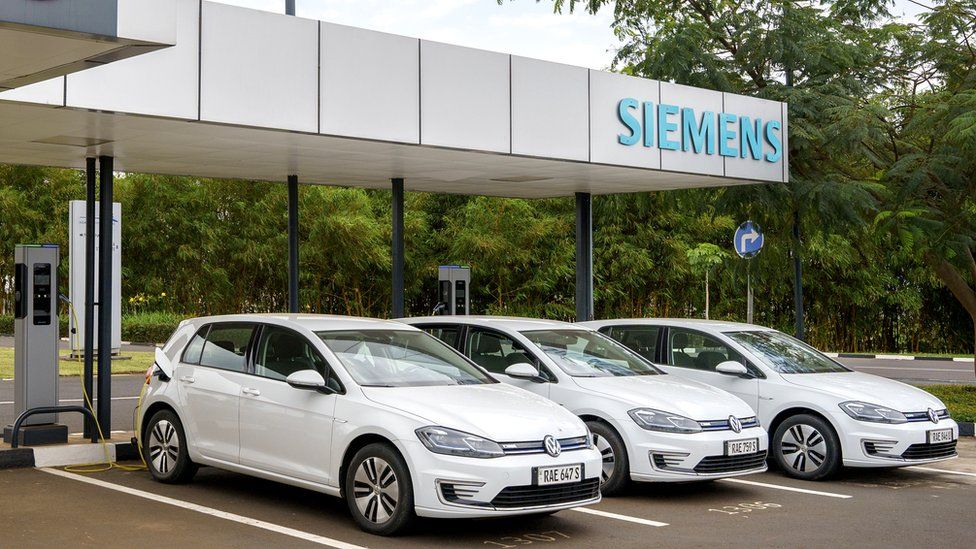
The Rwandan government has renewed its commitment to promoting electric mobility by extending the zero-rated import duty on electric and hybrid vehicles until the end of the fiscal year 2024/25. This decision, announced by the Ministry of Finance and Economic Planning, aims to accelerate the transition to electric vehicles (EVs) and reduce greenhouse gas emissions.
Rwanda first introduced the zero-rated import duty on electric vehicles in April 2021 during a cabinet meeting held on April 15. This initiative was part of a broader strategy to enhance electric mobility in the country, which included various incentives for electric vehicles, plug-in hybrids, and hybrids. The government aimed to attract investments in the emerging electric vehicle industry, which has been growing at an annual rate of 12%. Officials noted that these incentives were essential to lowering barriers to EV adoption, especially given the popularity of traditional fuel-powered engines.
The strategy unveiled by the Rwandan government in April 2021 to promote electric vehicles (EVs) addressed several critical issues affecting their rollout, particularly focusing on the cost of ownership. To alleviate the financial burden on consumers, the government exempted electric vehicles, spare parts, batteries, and charging station equipment from import and excise duties. This exemption is significant, as conventional vehicles typically incur a 25% import duty and an 18% VAT. By eliminating these costs, the government aims to make electric vehicles more accessible and appealing to consumers, thereby encouraging a shift away from traditional fuel-powered engines.
In addition to reducing ownership costs, the strategy also targeted energy costs to incentivise the adoption of EVs further. The government set electricity tariffs for charging stations at the industrial tariff level, which is considerably lower than residential rates. This pricing structure allows charge point operators to benefit from lower operational costs. Furthermore, reduced tariffs during off-peak hours, specifically from 11 PM to 8 AM, were introduced to decrease energy expenses for electric vehicle owners. These measures are designed to make the overall cost of operating an electric vehicle more competitive compared to conventional vehicles.
Infrastructure development is another key component of Rwanda’s electric mobility strategy. The government committed to providing rent-free land for charging stations on government-owned property, facilitating the establishment of necessary infrastructure for EV adoption. Additionally, provisions for electric vehicle charging stations were included in building codes and city planning regulations, streamlining the process for setting up charging facilities. These infrastructure initiatives are essential for supporting the growing electric vehicle market and ensuring consumers have convenient access to charging options as they transition to electric mobility.
The extension of the zero-rated import duty on electric vehicles is part of a broader set of tax incentives for the fiscal year 2024/25. Other incentives include reduced import duties on passenger buses, with those capable of carrying 50 passengers exempt from import duties, while smaller buses will see a reduction from 25% to 10%. Road tractors for semi-trailers and heavy goods vehicles will also benefit from zero-rated import duties.
The government’s ongoing efforts to promote electric mobility align with Rwanda’s long-term vision of becoming a carbon-neutral nation by 2050. The current strategy aims to reduce emissions by 38% by 2030, with electric vehicles projected to mitigate 9% of potential energy-related emissions under the country’s climate action plan.
Related
 Katikkiro Charles Peter Mayiga Urges Families to Prioritize Health at Ettendo Worship Concert
Rwanda’s EV strategy is part of a wider push by African countries to adopt clean energy. Several African countries are making strides in the adoption of electric vehicles (EVs) through strategic initiatives aimed at enhancing their transportation sectors and addressing environmental concerns.
South Africa leads the charge with ambitious plans to increase both the adoption and production of EVs. The government has set a target for the first fully manufactured electric vehicle to be ready by 2026, alongside the introduction of at least eight new EV products by 2024. Additionally, private companies are investing in electric fleets, such as Takealot’s new electric trucks, which contribute to sustainable e-commerce practices.
The National Association of Automobile Manufacturers of South Africa is actively promoting electric mobility, signalling a robust commitment to transitioning from traditional fossil fuel vehicles.
Morocco is also at the forefront of electric mobility in Africa, with over 10,000 hybrid vehicles registered by 2022. The Moroccan government aims for electric vehicles to account for up to 60% of car exports by 2030, supported by ongoing investments in battery manufacturing. The country’s vehicle manufacturing industry, which includes major global players like Renault and Stellantis, is well-positioned to support this transition.
Furthermore, Kenya is making significant progress with its recently unveiled Electric Mobility Draft Policy, which targets a 5% share of electric vehicles in total vehicle registrations by 2025. The country has seen a surge in EV registrations, thanks to incentives that have attracted investments from local companies like BasiGo and Roam.
Other countries, such as Ghana and Nigeria, are also developing strategies to enhance EV adoption. Ghana plans to waive import duties on electric vehicles for eight years starting in 2024, while also providing exemptions for assembly companies. Meanwhile, Nigeria is focusing on establishing electric vehicle assembly plants and has launched an electric train service in Lagos to alleviate traffic congestion. These initiatives reflect a growing awareness across the continent of the need for sustainable transportation solutions, as countries leverage their unique resources and capabilities to foster a cleaner and more efficient future in mobility.