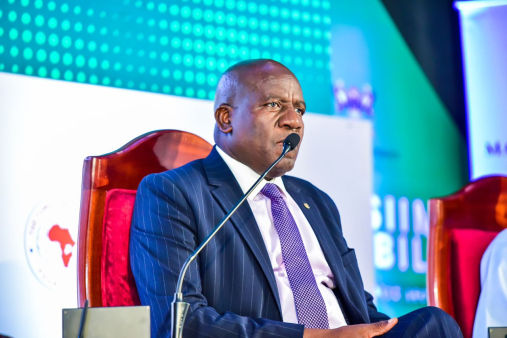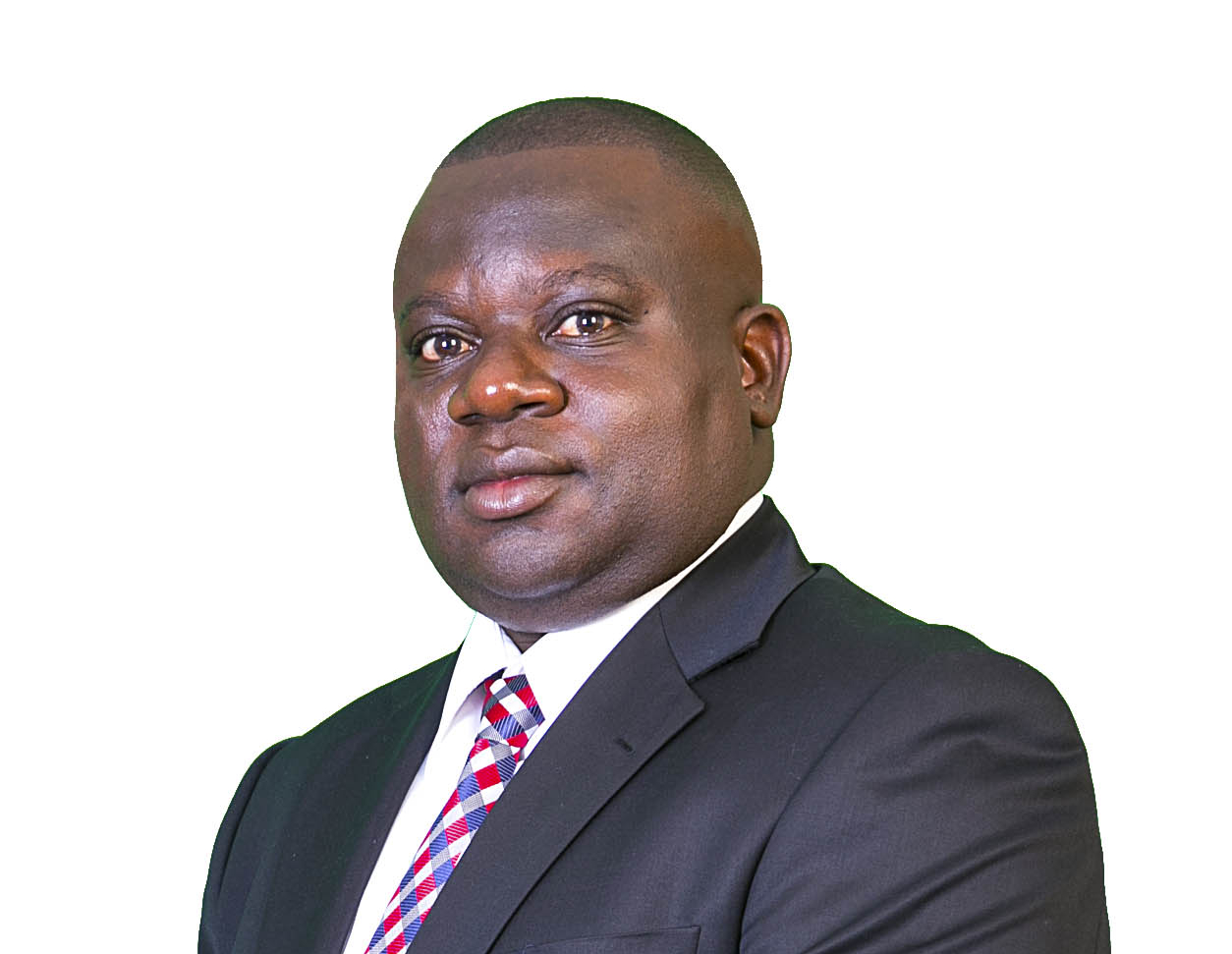
Emmanuel Mugagga is the Chief Financial Officer of the Uganda National Oil Company (UNOC) and Winner of the Strategy Execution Award at the 9th edition of the Chief Financial Officer Awards 2025– an initiative of ACCA Uganda and Deloitte Uganda.
At UNOC, an institution entrusted with managing Uganda’s commercial interests across the petroleum value chain, Mugagga sits at the intersection of a sector where decisions span decades, capital runs into billions, and outcomes shape national destiny and strategy is only as powerful as its execution.
In this conversation with CEO East Africa’s Paul Murungi, Mugagga reflects on his journey into finance, reflections on the evolving role of the modern CFO and why he’s no longer just a custodian of numbers, but a strategic partner aligning financial discipline with national ambition, regulatory integrity, and commercial sustainability.
Emmanuel, congratulations on winning the Strategy Execution Award. What does this recognition signify for you personally and for the work you are doing within UNOC?
The Strategy Execution Award to me as an individual and the team I lead is a recognition how successfully we have worked to translate UNOC’s strategic plans into tangible plans. It is a demonstration that at UNOC, it is not just about planning but making the strategy deliver value which is aligned to our purpose is Creating Value for Generations.
What first inspired your journey into finance, and how did that evolve into a passion for strategy leadership within a highly complex sector like oil and gas?
My journey into finance is inspired by the love I have for money and making money work to deliver value. Having been in employment now for over twenty years, I have appreciated how financial decisions shape or break organizations. With the quest to contribute to delivering organisation outcomes, Finance gave me a lens to understand value creation and risk management.
So over time, I realized that numbers alone don’t drive transformation, but strategy does. Therefore, in oil and gas, where projects span decades and billions of dollars, aligning financial discipline with strategic clarity became my passion. I have been intentional in building my capacity to understand the link been finance and strategy, and more importantly how to turn resources into national impact.
The CFO’s responsibilities have expanded significantly in today’s environment. How has this evolution influenced your leadership at UNOC, particularly in navigating national, commercial, and regulatory demands?
The energy landscape is rapidly changing which calls for all the other disciplines including finance to adjust accordingly to remain relevant and create value. In such an environment, a modern CFO is no longer just a steward of financial reporting but rather a strategic partner.
At UNOC, we recognise that our mandate is diverse and to successfully deliver, we aim to balance commercial viability with national priorities while ensuring compliance to the regulatory frameworks that impact the work we do. My leadership approach therefore emphasizes collaboration with internal and external stakeholders through proactive result-oriented engagements, scenario planning while ensuring financial integrity and enabling strategic agility.
UNOC’s mandate is uniquely national in scope. How do you ensure that strategy execution remains aligned with Uganda’s long-term energy and economic ambitions while still meeting operational realities?
UNOC is wholly owned by Government mandated to manage State’s commercial interests across the petroleum value chain. We anchor our strategy on Uganda’s energy roadmap and Vision 2040 which is to be achieved through the Tenfold Growth strategy and the National Development Plan IV which ensures we are aligned to Uganda’s long-term energy and economic ambitions.
This alignment enables us to translate national aspirations into actionable key performance indicators and cascading them across business units for implementation. We also undertake regular strategy reviews, stakeholder engagements, and performance dashboards which help us stay aligned while adapting to operational constraints like funding cycles and market volatility among others.
Strategy is easy to write but difficult to implement. What were the toughest execution challenges you encountered at UNOC, and what approaches helped you overcome them?
Rightly put, writing a strategy is easy but implementation can be complex. UNOC is not exceptional, we have faced challenges such as synchronizing our multiple projects with different timelines and stakeholders, managing expectations, funding limitations inter alia.
Some of the approaches employed to overcome the challenges include consistent engagement of our various stakeholders to understand our mandate and appreciate the role we play in the achievement of the national aspirations which has helped us gain support and goodwill which has been very instrumental in progressing the work. We also prioritize initiatives based on impact, have robust governance and controls frameworks, and foster a culture of accountability. All these are driven by clear communication and phased implementation of the initiatives.
Looking back on your career, what mentors, formative experiences, or setbacks most influenced your philosophy around strategic clarity, resilience, and ethical leadership?
I must say that I have been fortunate to learn from leaders who modeled integrity and long-term thinking. Early in my career, a major project delay taught me the value of resilience and stakeholder engagement. Mentorship reinforced that clarity and ethics are non-negotiable especially in sectors where decisions have national implications. In addition, the need to uphold my professional ethical code of conduct.
You operate in a sector where timelines are long, uncertainty is high, and outcomes shape national development. How do you maintain momentum, accountability, and belief in such a complex environment?
 Kilembe Mines, Woodcross Resources top list of mining companies defaulting on mineral rent at UGX 3.75 billion
The oil and gas sector is not business as usual, which calls for agility and innovation. Therefore, we maintain momentum by breaking down long-term goals into mid-term and short-term wins.
Accountability is part of our culture code which reinforces transparent reporting and performance scorecards. Our belief is sustained through continuous communication—reminding teams that every milestone contributes to Uganda’s energy independence and economic growth.
UNOC balances the objectives of national development, commercial sustainability, and regulatory compliance. How do you ensure these competing priorities remain harmonised rather than conflicting?
At UNOC, we use an integrated planning approach when developing the workplans and work programmes where all priorities are considered upfront. For instance, commercial models are stress-tested against regulatory requirements and national development goals. Regular cross-functional teams and forums are employed to ensure alignment and timely resolution of conflicts.
What systems, frameworks, or performance philosophies have you introduced that have meaningfully strengthened strategy execution across the organisation?
We implement a Balanced Scorecard framework to link strategy with measurable outcomes. Additionally, we introduced quarterly performance reviews and digital dashboards for real-time tracking. Implement a robust internal controls framework which ensures good financial management practices. Implement an Enterprise Risk Management Framework which embeds the risk culture in all that we do. So, our philosophy is simple: clarity, accountability, and adaptability.
Leadership in oil and gas often attracts intense scrutiny. What anchors you personally when expectations increase or when decisions carry national implications?
My anchor is purpose—knowing that our work contributes to Uganda’s development and again as our purpose is for the company, Creating Value for Generations. I also rely on ethical principles and data-driven decision-making. When scrutiny intensifies, transparency and stakeholder engagement become my strongest tools to deploy and I testify that these have really worked well.
As a leader, how are you preparing the next generation of finance and strategy professionals to think not only about corporate performance but about national impact and institution building?
We invest in capacity development programmes, mentorship programs, leadership development opportunities, and exposure to strategic projects and engagements. I emphasize that finance is not just about numbers—it’s about shaping institutions and driving national progress.
Additionally, I encourage my finance team to remain professional and act with integrity when executing their tasks. I encourage diversification of knowledge and long-term lens to think beyond quarterly results and embrace long-term impact.
What lessons from UNOC’s strategy journey do you believe are most valuable for other national or state-owned institutions navigating similarly complex, multi-stakeholder environments?
First, clarity of mandate is critical. Second, governance frameworks must be robust yet flexible. Third, stakeholder engagement is not optional—it’s a strategic necessity.
Finally, execution discipline matters more than grand plans. Just like our Strategy Commitment to 2030 goes: Collaborating and Executing with Excellence (CEE 2030). Delivery of results eventually removes ambiguities and support then is guaranteed.
Many young CFOs think strategy is about big ideas rather than consistent execution. What advice would you give them about turning vision into reality?
Big ideas inspire, but execution delivers. My advice: break strategy into actionable steps, set measurable targets, and build accountability systems. Stay agile, adjust when conditions change but never lose sight of the end goal. So, at UNOC, we start with the end in mind and work backwards to draw the implementation plan.
When your work at UNOC is eventually evaluated years from now, what impact or legacy do you hope people will remember, both for the institution and for Uganda’s broader energy sector?
I hope to be remembered for building a financially resilient institution that enabled Uganda to harness its oil and gas resources responsibly. A legacy of integrity, strategic clarity, and capacity building—creating a foundation for generations to come that upholds our purpose of CREATING VALUE FOR GENERATIONS.