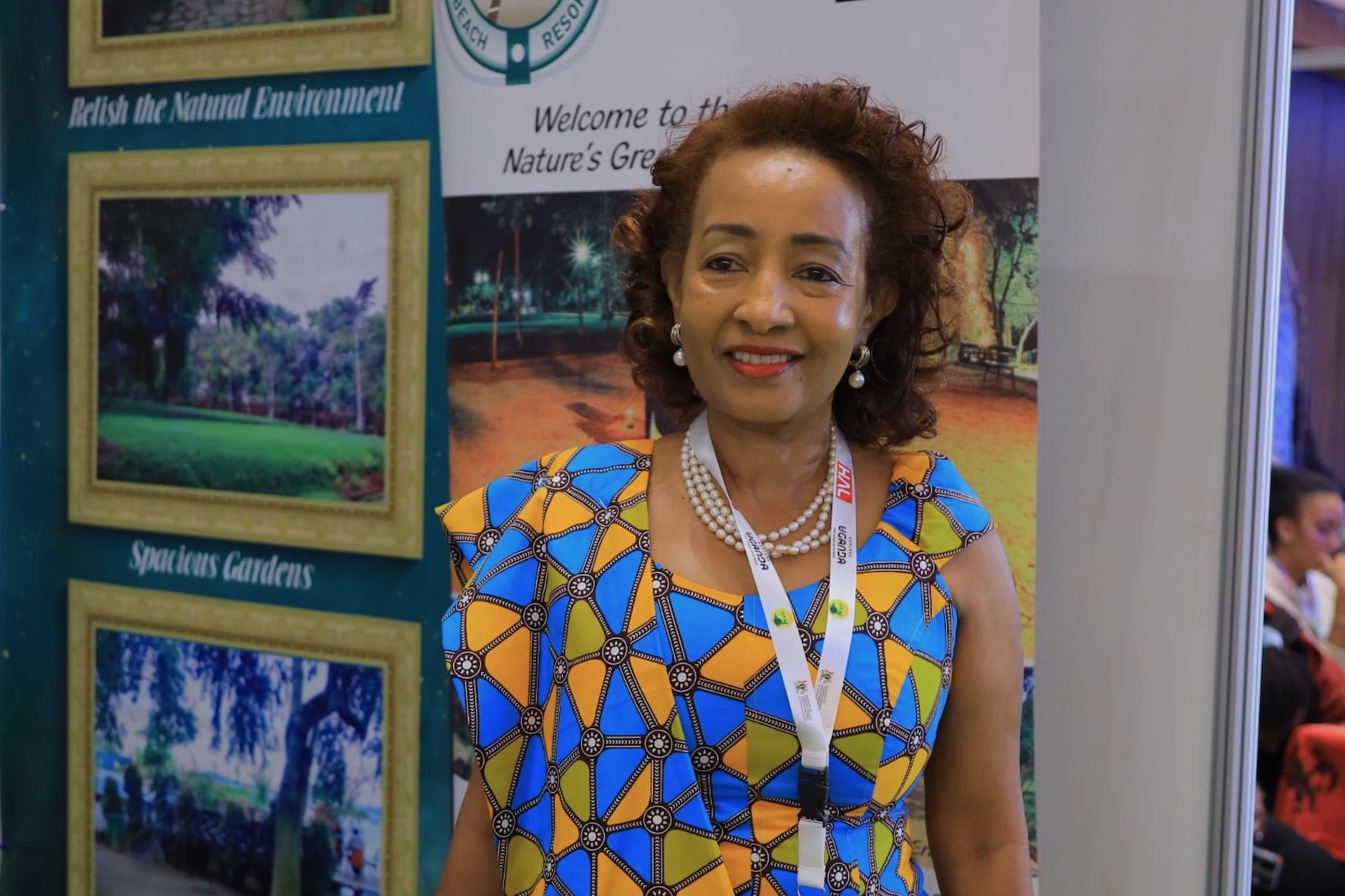
Q: Madam President, one year in — how would you describe the journey so far?
A: It has been a deeply purposeful and rewarding journey. When we took office in June 2024, we found an institution that had gone through a period of transition and needed renewed structure, energy, and direction. Our focus from day one was to restore momentum, rebuild systems, and reignite confidence among stakeholders. As someone who has spent over 20 years in leadership roles across different organisations, I have come to deeply value the power of team effort. I am an ardent believer that real progress is only possible when people come together with shared purpose.
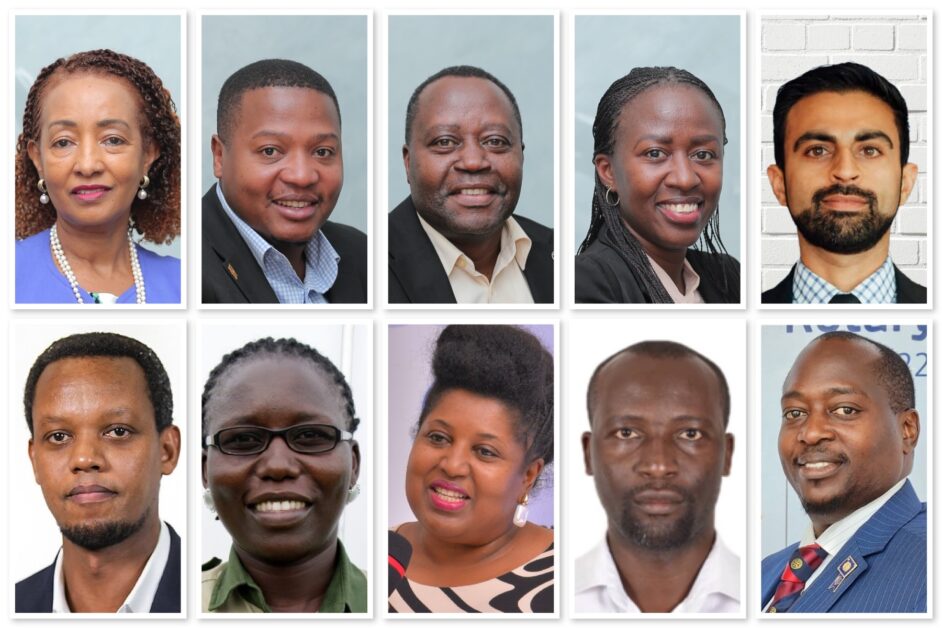
That’s exactly what we’ve seen with this Board — a team of committed, selfless professionals who have sacrificed time, resources, and comfort to serve this institution. None of us take allowances, and many have contributed financially and operationally to UTA’s revival. Through a spirit of service, collaboration, and strategic engagement, we’ve worked to reposition UTA as a credible, professional, and responsive apex body that truly reflects the aspirations of Uganda’s private tourism sector.
Q: What were the Board’s immediate priorities after taking office?
A: One of our first priorities was to reactivate the Secretariat. While UTA did have an office, it was no longer fit for the level of coordination and engagement we envisioned. With the support and personal intervention of the Minister of Tourism, Wildlife and Antiquities, Hon. Rtd. Col. Tom Butime, we were able to secure a more professional and accessible space at Rwenzori House. This move was more than symbolic — it signaled a renewed era of public-private collaboration and gave UTA a dignified institutional home. Alongside this, we appointed a CEO, brought on a Coordinator and Administrator, and secured a Technical Advisor on a pro-bono basis. Together, these steps re-established UTA’s operational backbone and laid the foundation for consistent, credible engagement with our stakeholders.
Q: Looking back, what would you say are UTA’s key achievements in the last 12 months?
A: There are many, but I’ll highlight a few:
- Institutional Revival — We restructured the Secretariat, put systems in place like the Weekly Action Plan (WAP), and restored board governance practices.
- Strategic Planning — With Enabel Uganda’s support, we commissioned a baseline study and are finalizing UTA’s 2025–2030 Strategic Plan. Enabel Uganda is Belgium’s development agency.
- Industry Engagement — UTA is now visible and actively engaged across multiple industry and policy forums. Over the past year, we’ve made deliberate efforts to rebuild trust and collaboration with our member associations — including the Association of Uganda Tour Operators (AUTO), the Uganda Hotel Owners Association (UHOA), and the Ugandan Association of Travel Agents (TUGATA). We have also strengthened relationships with key government agencies such as the Uganda Tourism Board (UTB), the Uganda Wildlife Authority (UWA), and the Ministry of Tourism, Wildlife and Antiquities (MTWA). This renewed cooperation has been essential in repositioning UTA as a credible, unifying voice for the private tourism sector.
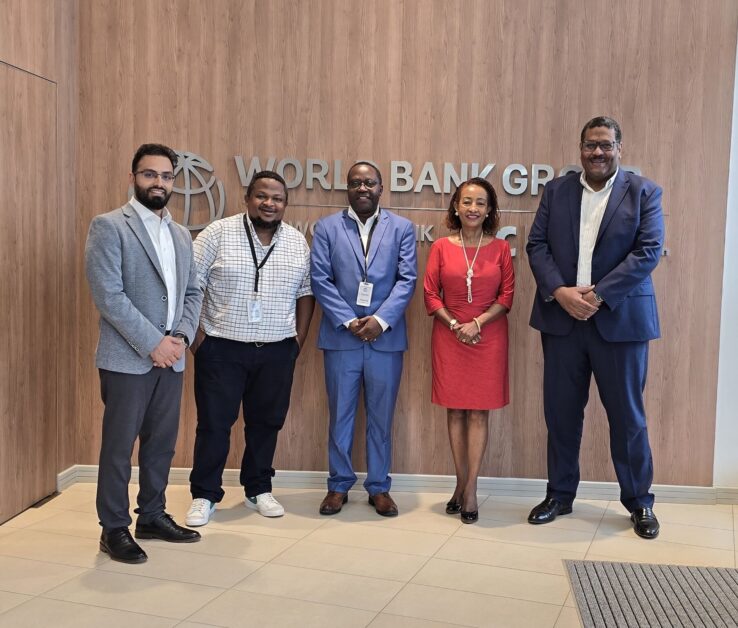
- Development Partner Confidence — We’ve submitted high-value proposals to the World Bank, the Generating Growth Opportunities and Productivity for Women Enterprises (GROW) Project, and Operation Wealth Creation (OWC). In addition to these, we have initiated engagements and shared concept proposals with several other key partners, including the European Union (EU), the Centre for the Promotion of Imports from Developing Countries (CBI), the United Nations Development Programme (UNDP), and private sector players like MTN Uganda. These efforts reflect our commitment to mobilizing strategic support for tourism innovation, institutional strengthening, and inclusive sector growth.
- Tourism Working Group — We launched Uganda’s first TWG, bringing together public, private, and development actors to craft a unified industry voice and strategic position paper.
- Digital Reawakening — Our new website is up and running (www.utauganda.org), and our social media channels are now actively engaging members and the wider industry.
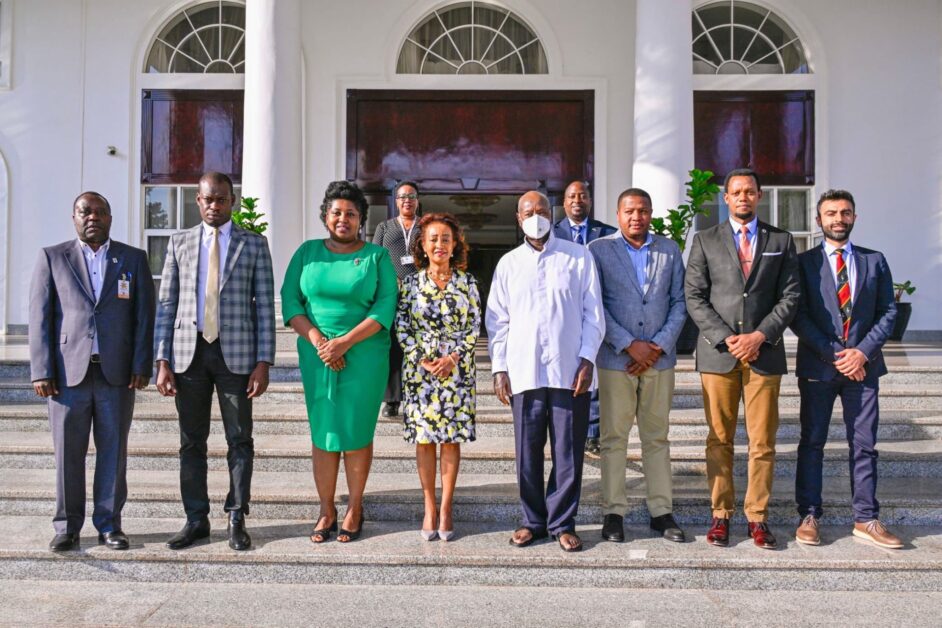
On policy influence and advocacy, perhaps, a defining highlight of our first year was the July 29, 2025 meeting with H.E. President Yoweri Kaguta Museveni at State House, where we delivered the State of Tourism Address. Drawing on months of consultations with our members, we presented a comprehensive agenda for sector transformation.
We outlined the urgent need for affordable financing for SMEs, noting that tourism currently receives only 3% of private sector credit and 1.3% of UDB’s disbursements despite contributing about 5% to GDP. We called for an increase in direct tourism funding to at least 1% of the national budget to address marketing, product diversification, skills development, and quality assurance. We proposed a ring-fenced UGX 500 billion annual infrastructure fund to upgrade access to high-value destinations such as Bwindi, Mgahinga, and Kidepo.
On taxation, we advocated for reducing VAT on tourism services, removing import duties on vehicles and equipment, and lowering the investment threshold for tax incentives to benefit local investors. We also recommended policy reformsto amend the Tourism Act, formally recognise UTA as the apex body, establish a Tourism Levy and Fund, and launch initiatives including a UGX 50 billion Tourism Recovery & Growth Fund, a national tourism asset inventory, and a quality management system.
We closed with a proposal for an annual Presidential Tourism Escapade — starting with a “Big 5 + 2” safari — to showcase Uganda’s wildlife and cultural heritage, boost domestic and diaspora tourism, and inspire investor confidence.
In response, the President made clear commitments to:
- Harmonise excessive hotel taxes and licensing to spur growth.
- Allocate annual infrastructure budgets for key tourism sites.
- Reform UDB financing to meet tourism sector needs.
- Provide direct budgetary support to UTA for private sector coordination and advocacy.
Q: The Tourism Working Group (TWG) was a first. What inspired its formation?
A: We realized there was no regular forum for strategic dialogue across the sector. So we established the TWG as a quarterly platform to convene stakeholders — government, private sector, and development partners. Our first TWG generated a position paper now before the World Bank, seeking industry support under CEDP II. This is the kind of collaborative, policy-shaping role UTA should always play.
Q: Any financial milestones or challenges you’d like to reflect on?
A: Absolutely. First, we cleared past rent arrears and secured a professional office — a big step for UTA’s credibility. We also mobilised funds for the strategic plan through Enabel. Members have resumed paying their fees, which is a vote of confidence in UTA, although it’s not yet sufficient to fully fund operations.

Through our engagements, we have initiated collaboration with UWA to support UTA’s role as the apex body for the private tourism sector. We’re also discussing partnerships with corporate entities like MTN Uganda and Uganda Airlines, which would diversify our funding base.
Q: You mentioned the Weekly Action Plan (WAP). How has that shaped UTA’s operations?
 Stanbic Accelerates Uganda’s Digital Future with “Kikole Ku Speedii” Campaign
A: The WAP has been our engine room. Every Monday at 6 PM, without fail, a core team — including myself, the Vice President, Treasurer, Secretary General, and our Technical Advisor — meets online to review activities, assign tasks, and ensure accountability. This structure has given us rhythm, discipline, and consistency. It’s one of the quiet innovations that’s helped us move forward week after week.
Q: Has the Board faced any resistance or misperceptions in executing its mandate?
Certainly. One of the biggest hurdles we’ve faced hasn’t just been structural or financial — it has been conceptual. There’s still some misunderstanding about UTA’s role. Let me be clear: UTA does not exist to compete with member associations. We are here to coordinate, support, and amplify their collective voice. As the apex body for Uganda’s private tourism sector, our role is to serve as a unifying bridge — between associations and government, between the public and private sectors, and between local stakeholders and global partners.
Our vision is to build a professional, competitive, thriving, resilient, inclusive, and sustainable Ugandan tourism sector — one that is grounded in integrity, accountability, and transparency, and contributes meaningfully to national development. To achieve that, UTA must remain focused on collaboration over competition, partnership over politics, and service over self-interest.
Our leadership reflects that spirit. None of us on the Board receives allowances, and many have personally supported UTA activities financially and operationally. That’s the level of commitment it takes to reposition UTA not just as an institution—but as a platform for long-term sector transformation.
Q: Where do you see UTA heading in the next 12 months?
A: We’ve laid the foundation. The next phase is implementation. Some of our top strategic targets include:
- Launching the UTA Strategic Plan and the Association itself — We’re planning a high-level event sponsored by Enabel.
- Hiring a New CEO and Directors — To strengthen the Secretariat and roll out member-facing programs.
- Rolling Out Industry Publications — A monthly newsletter and a biannual magazine to boost communication and sector visibility.
- Implementing Innovation Programs — These include the TWG, MICE tourism development, and advocacy initiatives targeting excessive taxation, limited product diversification, and capacity gaps.
- Lobbying and Policy Influence — We want to be more visible in influencing tourism legislation, financing models, infrastructure priorities, and skills development.
Q: Are there specific challenges you anticipate in delivering on these plans?
A: The main one is sustainability. We need to diversify funding beyond donor dependency. That’s why we are pursuing private sector partnerships and advocating for shared revenue from permits. We also need to invest in human capital — a lean but competent team that can follow through on execution.
Another challenge is sector unity. We must stay focused on the bigger picture: building a stronger, more coordinated tourism sector. That requires trust, dialogue, and alignment across associations, businesses, and government actors.
Q: What keeps you personally grounded in this work?
A: Service. We all come, we serve, and we move on — but UTA must endure. Our task is to leave the institution stronger than we found it. That’s the legacy we must build.
Q: In a sentence, what is your vision for UTA?
A: A professional, competitive, thriving, resilient, inclusive, and sustainable tourism sector that contributes meaningfully to national development.
Q: And your final message to UTA members and sector stakeholders?
A: Thank you for walking with us during this rebuilding phase. Let’s continue to work together, with clarity of purpose and shared commitment. Together, we can build a UTA that isn’t just relevant — but transformative.