Give us an overview of CIPLAQCIL to date. How healthy is the business?
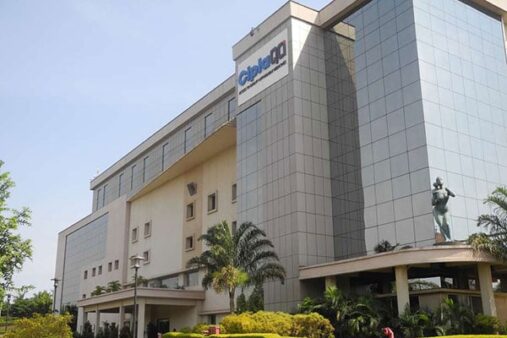
The business is sound with excellent future prospects for growth and development. Its facility is one of the few WHO Good Manufacturing Practice approved facilities in the pharmaceutical sector in Sub Saharan Africa and the only one to manufacture a range of WHO Pre-Qualified ARV’s and antimalarials. This enables us to bid and secure business from international donor organisations which require WHO approval from their suppliers. Currently CQCIL is the only African manufacturer to supply both the Global Fund and the USAID funded President’s Malaria Initiative. The company exports pan-Africa and beyond, from Ghana and Sierre Leone to Namibia, Botswana, Zambia, Zimbawe in the south and of course across East Africa.
CQCIL’s support and collaboration with Cipla India gives it access to new and innovative medicines for manufacture in Uganda e.g. it was one of the first on the continent to locally manufacture the new first line therapy for HIV-AIDS, the triple combination of tenofovir-lamivudine-dolutegravir . CQCIL will shortly start the manufacture of an innovative triple combination tablet for the prevention of TB in newly diagnosed HIV patients. This geographical expansion, introduction of new products and therapies and its entry into the retail private market in Uganda makes the company poised for further growth in coming years.
You recently made an acquisition of Quality Chemicals Limited’s Human Health Care division- what exactly did you acquire and how significant is this deal for CIPLAQCIL?
The company acquired the assets and the sales and marketing team of the human medicines division of Quality Chemicals. This enables CQCIL to enter the retail market running with an experienced, successful sales and marketing team promoting the range of pharmaceuticals manufactured by Cipla in India. These include medicines in gastroenterology, respiratory medicine including asthma, anti-infective, antifungals and cardiovascular treatments. The company will have access to exciting new therapies marketed by Cipla India going forward. This will give the company an additional revenue stream from the private retail market in Uganda.

One of the comments made about CQCIL’s sales base is that it has been too focused on institutional/government/donor funded sales; this entry into the private retail market will go some considerable way to rectify this reliance.
CIPLAQCIL’s shareholders have gone for quite some time without dividends and the share price has been plummeting since IPO- what message do you have for your shareholders?
Your company is well aware and very sensitive to your concerns. Shareholders can rest assured that all in the company are completely focused on delivering its objectives both in terms of sales growth, profitability and following on from these a dividend and enhanced shareholder value. It is the intent of the company to return to profitability in 2020/21 as well as in parallel recovering the overdues from Zambia.
 World Bank bans PwC Africa, Rwanda and Kenya affiliates from Bank Group-financed projects over fraudulent practices
In a mid-August interview, with The Observer, Zain Latif the founder and CEO of TLG Capital, one of your largest shareholders, described the company’s performance as “lacklustre” “underwhelming” and “incredibly disappointing”- do you agree with him?
Of course it is disappointing that the company reported a loss in 2019/20 primarily due to the (Expected Credit Loss) taken against the Zambia overdues. Any business which records a loss cannot be satisfied with its performance. However in 2019/20 and this financial year, we believe that the foundations and building blocks have been laid both to return the business to growth and sustainable profitability. Needless to say the company is constantly engaging Zambia to recover the overdue payments which were largely the cause of the disappointing results in 2019/20. When the overdues are recovered, the provisions taken in 2019/20 will be reversed in the balance sheet.
How have you been affected by Covid-19?
Every business has been impacted by Covid-19 to a greater or less extent. Our company has endeavoured to operate as normally as possible during this period as the major healthcare challenges posed by HIV-AIDS and malaria have not taken a holiday or gone away during Covid-19. The worst possible outcome for patients would be a disruption in the supply of their antiretrovirals or treatments for malaria.

Throughout the Covid-19 period the company has operated as near normal as possible with attendance levels over 98%, in fact higher than normal. The manufacture of life-saving, quality affordable medicines has continued as normal. Demand has increased due to additional demand from countries unable to source medicines from their previous suppliers. In Q1 2020/21 ( April to June ), 90% of the company’s production was exported, enabling the company to both meet the need from National Medical Stores in Uganda and help and support countries in Eastern and Southern Africa with the supply of these lifesaving essential medicines. Of course there have been additional costs such as the provision of transport for colleagues to access the facility without the need to utilize public transport, the purchases of Personal Protective Equipment, sanitisers etc. However the additional business opportunities that the company has been able to grasp and monetise during Covid-19 as an Africa manufacturer of quality affordable, lifesaving medicines, have more than offset the Covid-19 costs several fold.
As a pharma business- have you seen any opportunities that you can leverage to grow business?
Of course. Our entry into the retail private market, expansion into new geographies within Africa and beyond as well as the new therapeutic areas such as treatments for cardiovascular disease and diabetes, over-the-counter medicines etc, which will fit into our new private retail portfolio, and the manufacture in Uganda of medicines to treat cancer are all promising opportunities. Non-communicable diseases such as cancer and diabetes will increasingly be a challenge to healthcare systems in Africa and therefore, by manufacturing oncology treatments here in Uganda for consumption locally and for export, the company can continue to deliver on its promise to deliver life-saving affordable quality treatments for unmet healthcare challenges.