The leaked report indicates that, of the public debt, the external debt accounts for UGX22 trillion, while UGX12 trillion is domestic debt.
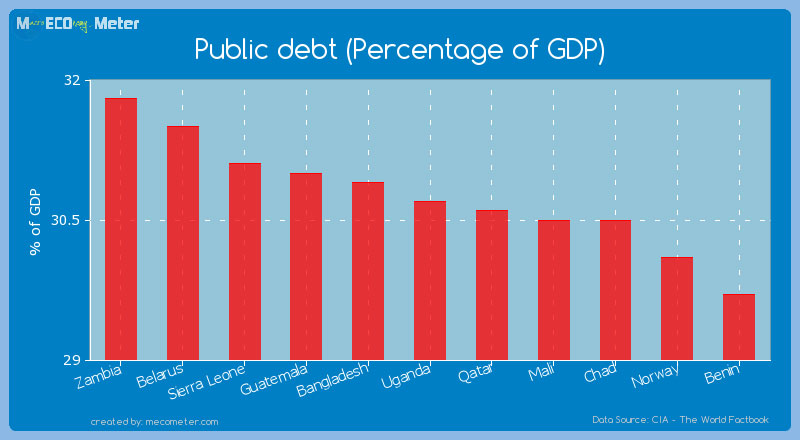
A leaked report from the Parliamentary Committee of National Economy has warned of Uganda’s ever growing public debt that now stands at a staggering UGX34 trillion.
The debt itself is equivalent to 38% of GDP as at June 2017.
These revelations come days after the government-owned New Vision newspaper published an article that said the government was planning to borrow more billions of shillings to facilitate payment of salaries for civil servants.
The government later downplayed the newspaper report, but the fact of debts cannot be downplayed.
The report that is awaiting tabling on the floor of Parliament by committee chairperson Syda Bbumba indicates that, of the public debt, the external debt accounts for UGX22 trillion, while UGX12 trillion is domestic debt.
The report pointed out the depreciation of the Shilling as one of the factors that have increased Uganda’s external debt repayment obligations and warned that the trend poses a serious risk to debt sustainability that needs to be addressed.
 Africa Takes The Stage: From Raw Supply To Brand Ownership
Further, debt service of Uganda’s external debt was found to have risen and outstripping growth of the country’s income, currently at 4%.
According to the committee, the above trend poses risks for future debt repayments, especially as the country continues to acquire external debt at less concessional terms, to finance the oil development.
Additionally, the committee findings highlighted that despite the fact that the country has registered improvements in contracting domestic debt of longer term maturity, Uganda still has a very high percentage of its domestic debt maturing in one year, exposing the country to significant refinancing risks.
The report also indicated that there was hope for Uganda’s economy stating that despite the increase in the country’s sovereign debt, it is still sustainable and refuted claims that Uganda is under debt distress saying the debt has stayed within the Charter of Fiscal Responsibility budget deficit target.
“Public debt will be manageable, if infrastructure spending raises growth and revenues improve further,