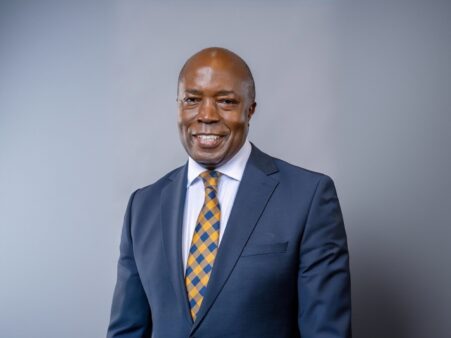
By Asiimwe Arnold Kaka
My reflections on this issue come from a place of experience — an encounter with an overzealous tourism enforcement officer that left me questioning how we treat those who give life to our tourism industry. That experience, though unsettling, sparked a deeper realisation: while rules are necessary, what Uganda’s tourism sector needs most right now is support — structured, institutional, empathetic support for the private sector, especially the small and emerging players who carry the future of the industry on their backs.
At the heart of our tourism story are private operators — the innovators, the dreamers, the storytellers. They are the ones who go out into the world to sell Uganda, often with little backing and much personal risk. For every tourist who books a trip, there’s a tour operator, hotelier, guide, or crafts vendor who made that journey possible. Yet these very players often face the harshest odds — from limited access to capital and business training, to a policy environment that sometimes feels more punitive than empowering.
The Case for Empathetic Support
If we truly want tourism to thrive as a national economic pillar, then we must move beyond enforcement and embrace empathy. We must institutionalise mechanisms that build, rather than break, those at the frontline of service delivery.
Women, youth, and new entrants in particular need deliberate nurturing. Their needs are unique: access to startup capital, mentorship, financial literacy, and networks that help them navigate a sector still dominated by established players. A young woman starting a tour company from scratch faces not only the usual business challenges but also societal scepticism and, at times, limited exposure to business and digital tools that could make her enterprise sustainable.
These are not gaps that regulation alone can fix. They require policy-backed incubation programmes, targeted financing, and training pipelines that are inclusive by design. The Uganda Tourism Board (UTB), Uganda Tourism Association (UTA), and financial sector actors should work hand-in-hand to create pathways for these entrepreneurs to grow safely, confidently, and sustainably.
Rethinking Capital and Risk
Access to capital remains one of the greatest barriers for tourism startups. But tourism financing cannot be approached the same way we fund trade in maize, matoke, or fast-moving goods. Tourism is a long-cycle industry: payments often come months before delivery, and operators must manage deposits responsibly while meeting upfront costs. Without training in financial management, it’s easy to make costly mistakes.
Startups and small operators need affordable, patient capital — funding that understands the rhythm of the sector. They need education on safer ways to manage client deposits: investing short-term in instruments like unit trusts, 84-day treasury bills, or bank products that offer overnight interest, instead of risky schemes that promise unrealistic returns.
Banks and microfinance institutions should be encouraged to design tourism-responsive financial products, working closely with regulators and associations to balance risk and reward. Financial education should not be an afterthought; it must be embedded in tourism policy, supported by both government and the private sector.
Building Skills and Safety Nets
Beyond capital, financial literacy, insurance awareness, and business ethics should be core components of tourism entrepreneurship. COVID-19 exposed the fragility of our ecosystem — operators closed, businesses vanished, and livelihoods were lost. We cannot afford to repeat that cycle. A more prepared, better-trained, and insured private sector is not just good for the operators; it’s essential for Uganda’s destination brand.
When we empower private players to handle money wisely, treat clients ethically, and deliver reliably, we strengthen the entire tourism value chain — from the smallest community guide to the biggest operator in Kampala. Empowerment and regulation are not opposing forces; they are two hands that must work together to shape a sustainable industry.
 World Bank bans PwC Africa, Rwanda and Kenya affiliates from Bank Group-financed projects over fraudulent practices
The Unique Role of Women and Youth
Women and youth are not just participants; they are potential game changers. Across Uganda, young people are reimagining travel through tech, culture, and sustainability. Women are leading home-stay innovations, creative crafts, and culinary tourism experiences that bring authenticity to our national story. Yet too many are locked out of opportunity by lack of access, mentorship, or voice in decision-making spaces.
Institutional frameworks must therefore go beyond tokenism — we need to mainstream inclusivity into every layer of the tourism economy. That means creating grant windows for women-led startups, setting up youth entrepreneurship accelerators within UTB or UTA, and embedding leadership development into all tourism training programmes. When women and young people thrive, communities benefit, and Uganda’s tourism story becomes richer and more relatable to the global traveller.
Protecting Both the Player and the Brand
This does not mean regulators have no role. On the contrary, empathetic enforcement is key to balancing accountability with understanding. When a tourist’s money is lost, enforcement must take its course — but how it’s done matters. Enforcement should be informed by facts, guided by fairness, and sensitive to the reputational risks that heavy-handed actions can cause to both the destination and the individual operator.
The tourism police, for instance, could benefit from training that combines legal awareness with hospitality insight. They are not just enforcing the law; they are ambassadors of the brand. How they act, speak, and resolve conflict shapes how Uganda is perceived.
Towards a Win-Win Ecosystem
Tourism is not a zero-sum game. The success of one operator uplifts the entire destination; their failure diminishes us all. We must stop viewing private players as subjects of control and instead see them as partners in development. The future of Uganda’s tourism lies not in punitive supervision, but in collaborative support — one that nurtures innovation, safeguards integrity, and promotes shared prosperity.
As the Baganda say, “kukuba ngs bwowumba” — strike the drum with care, for it is the rhythm that keeps the dance alive.
Uganda’s tourism startups, women entrepreneurs, and youth innovators are the rhythm of our industry. To keep that rhythm alive, we must invest in them — not just financially, but institutionally and emotionally. Let us replace suspicion with support, bureaucracy with mentorship, and isolation with partnership.
If we can do that, Uganda’s tourism will not just grow — it will flourish as a living example of what happens when empathy, policy, and enterprise move in harmony.
Asiimwe Kaka Arnold is a Director of Ssese Islands Xtreme Adventures Ltd, with other tourism interests in Ssese Islands, including Virgin Island, Hornbill Bushcamp & Panorama Cottages.