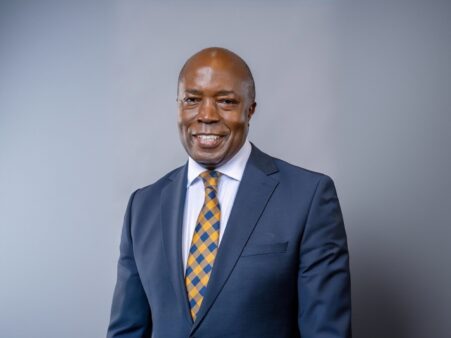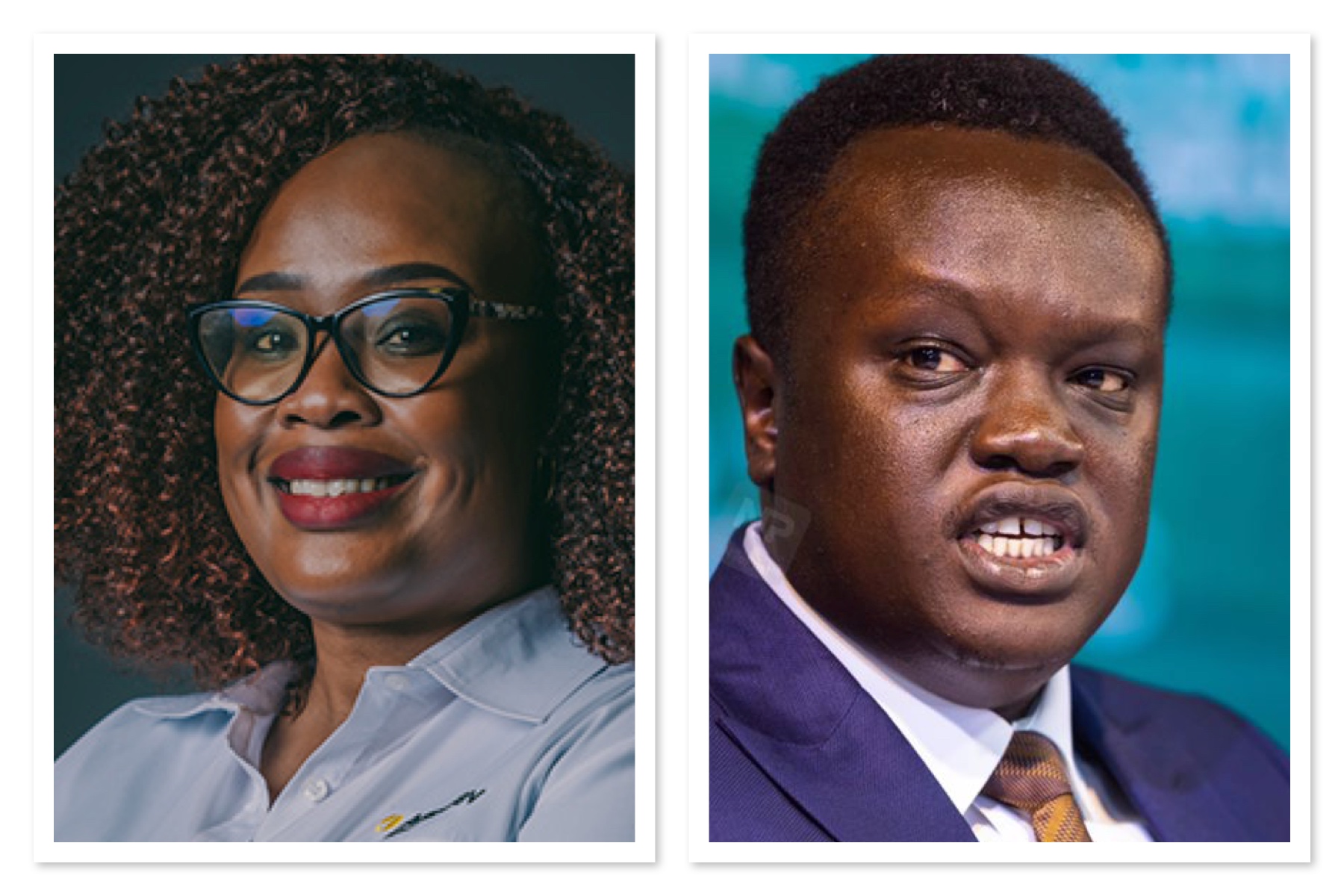
Nile Breweries Limited, the Ugandan subsidiary of global brewing giant Anheuser-Busch InBev (AB InBev), is conducting an extensive investigation into allegations of fraud and financial misconduct within its sales and marketing departments. Central to the probe are two South Sudanese siblings, Amou Majok and Darwin Majok, who allegedly leveraged their positions in the company to orchestrate fraudulent schemes estimated to be in billions of shillings.
A Family Affair: Fraud Within the Ranks
One of the major leads in the investigation is that Darwin Majok, formerly the National Trade Marketing and Key Accounts Manager, directly reported to his sister, Amou Majok, the then-Country Marketing Lead. This unusual reporting structure, sources say, created a significant governance risk that enabled fraudulent activities to go undetected for an extended period.
“The governance system weaknesses were actually created when the new owners, AB InBev, consolidated all the marketing and sales promo budgets under Fabiana Pereira, who at the time was seated in Tanzania,” a source familiar with the investigation revealed. “When she got reassigned in January 2023, Nile Breweries then promoted Darwin Majok to National Trade Marketing and Key Accounts Manager and placed the marketing and sales promotions budgets under him. In one of the worst corporate governance oversights, Darwin Majok was operationally and in terms of budget control, reporting to his sister.”
This misalignment in reporting allowed the duo to manipulate marketing and sales promotion budgets, allegedly approving fictitious sponsorships, inflating event costs, and siphoning off funds meant for genuine marketing activities.
How the Fraud Unfolded
According to sources familiar with the investigation, there are multiple leads that investigators and auditors are pursuing, namely:
- Fictitious Sponsorships and Overinflated Bills: Employees allegedly created fake sponsorships and shared the funds with third-party partners involved in the scheme.
- Direct Access to Cash: “They had a system where money is credited to the accounts of the marketing teams to pay, directly, those contractors who are not in the procurement system, thus giving employees direct access to cash—another major risk identified,” a source disclosed.
- Unpaid Suppliers and Distributors: While company records reflected that promotions were executed and paid for, many suppliers and distributors did not receive their payments. This led to disputes when some distributors attempted to reconcile their accounts with Nile Breweries.
Resignations Amidst Investigation
Amou Majok resigned in November 2024, following her brother Darwin Majok’s departure in July 2024. However, Nile Breweries insists that Amou’s resignation was voluntary.
“There has been no firing of employees at Nile Breweries related to the context,” stated Emmanuel Njuki, the Country Legal and Corporate Affairs Lead. “It’s true that there is an audit of the business. The business routinely conducts financial, project, and even performance audits. Should the current audit reveal any information that requires management action, it will be undertaken according to our business policies.”

When pressed further about whether the ongoing audit includes the tenures of both Amou Majok and Darwin Majok, Njuki declined to comment. “Because the audit is still ongoing, I am unfortunately not at liberty to discuss its scope,” he said.
A Systemic Failure in Corporate Governance?
The fraudulent activities reportedly went unnoticed due to weak internal controls and a lack of independent financial oversight. Investigators believe that the consolidation of the largest operational budgets—sales and marketing—under a single individual (Darwin Majok), while making him accountable to his sister, was the primary enabler of the fraud.
 Stanbic Accelerates Uganda’s Digital Future with “Kikole Ku Speedii” Campaign
“How do you put into the hands of someone earning about UGX 15-20 million, UGX 300m or even more in cash, not once or twice?” a source familiar with the fraud questioned. “The fraud was accentuated by having two of the biggest operational budget lines consolidated under one person, then having the supervisor as a sibling! That was the biggest risk in management and governance.”
Investigations Widen to Other Senior Officials
The fraud probe has expanded to include several senior officials who were suspected of facilitating or benefiting from the schemes. Among them is Rogers Ssozi Innocent, the current National Trade Marketing and Key Accounts Manager, who previously worked as Darwin Majok’s assistant before replacing him in September 2024. He remains under administrative leave while the investigation continues.
Additionally, District Managers James Kavuma (West) and Davidson Wadada (East) were placed on administrative leave as their roles in the fraudulent transactions are being examined. “They supervise the whole sales teams, including District Managers, Junior Sales Reps, Sales Reps, Sales Managers, and the Regional Sales Managers in their districts. So, if anything goes wrong, they would be culpable from that perspective,” another source revealed.
The Path to Discovery: How the Fraud Came to Light
The fraudulent activities were exposed when Nile Breweries’ suppliers and distributors flagged inconsistencies in payments. Distributors, who were penalized for non-payment of dues, discovered during reconciliation that sales promotional beer was not accounted for. Likewise, promoters and sponsorship suppliers raised concerns about unpaid sponsorship rights fees and event production costs.
The Rise of Internal Fraud in Uganda
The Nile Breweries scandal is just one example of a growing trend of internal fraud in Uganda’s corporate sector. Reports from PwC’s Global Economic Crime and Fraud Surveys (2020, 2022, and 2024) and the Uganda Police Annual Crime Report 2024 indicate that insider fraud, particularly among senior executives, has become a major financial threat.
A 2024 PwC survey found that 43% of internal fraud cases in Uganda were committed by senior management, with procurement fraud and financial misrepresentation being among the most common types of fraud. The weak corporate governance structures, lack of independent audits, and easy access to financial resources make companies vulnerable to such crimes.
Fraudsters often exploit weaknesses in procurement processes, colluding with vendors to inflate contract values or approve fictitious invoices. The Uganda Police Crime Report 2024 also noted an increase in payroll fraud, where executives create ghost employees or manipulate payroll systems to siphon company funds. Additionally, insider-enabled cybercrime has emerged as a rising concern, with employees bypassing cybersecurity measures to steal sensitive financial data.
One of the key challenges in combating fraud is the lack of stringent enforcement. “Only 21 out of 474 reported cybercrime cases in Uganda resulted in convictions,” the Uganda Police report stated. This weak legal deterrence emboldens fraudsters and perpetuates corruption within organisations.