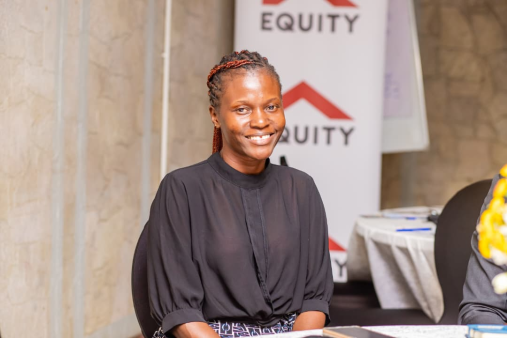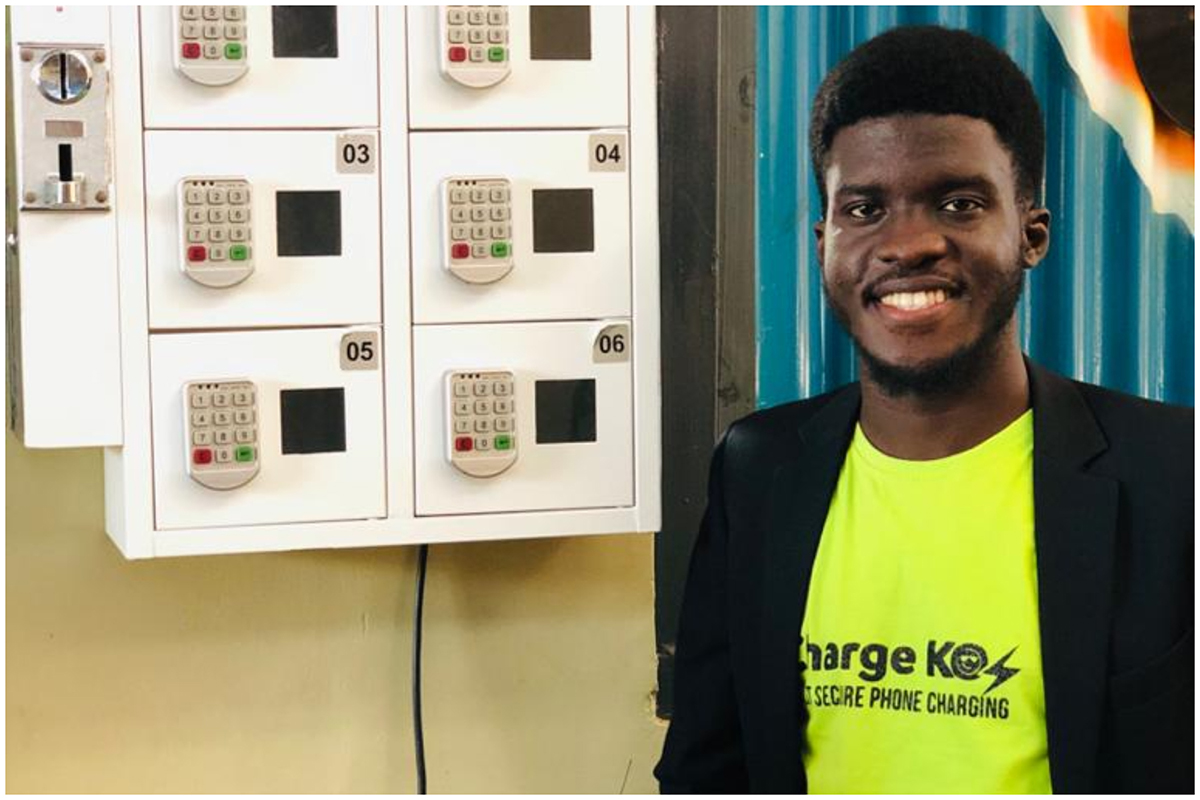
As a reporter covering events and the entertainment industry in general at Chano8, an online news platform, Geoffrey Mutabazi always found himself having the same problem – his phone would run out of battery yet there was not a spot to charge from. This was the same challenge in many restaurants and bars in Kampala.
He was not the only one facing this challenge, revellers were. Everyone wanted to charge-ko.
When he changed roles and became a software seller at SMSONE, he got a better understanding of tech. It was during this time, while as a business student at ISBAT University, that he decided to get a solution to help with this charging problem.
His first attempt was to get a board with many sockets that he carried around at events for people to charge. But that had its problems.
He shared his idea with a friend Joseph Ndiho who gave him US$700 to think of a more reliable solution that would fit the local market. His previous product lacked in so many ways and it was not sustainable.
Another friend, James Byaruhanga, an events organiser and techie himself, bought into the idea and this marked the beginning of finding a lasting solution.
With big events in Kampala like Blankets and Wine, Bakiga Nation, Nyege Nyege Festival, and the rest, the number of people who needed to charge their phones was way more than that of the available charging slots. Geofrey and the team were forced to come up with a better solution, their biggest booth could accommodate 40 phone charges yet the event would have about 500 people that needed to charge their phones. That was in 2019 before the pandemic.
Today, Charge-ko has evolved into a small portable power bank that does not necessitate one to carry extra cables and is lightweight. Their product is mainly to help the user get a little charge that will enable them to power their phones to use all the essential services and functions on their phones. Among this category are the digital facing companies like Uber and Safe Boda that are always in need of power.
 Stanbic Accelerates Uganda’s Digital Future with “Kikole Ku Speedii” Campaign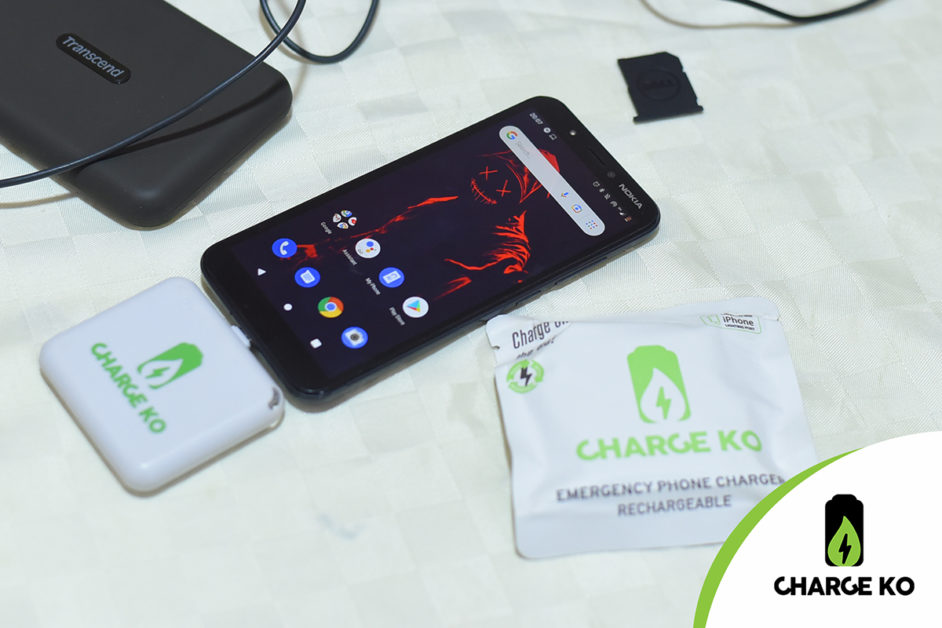
In 2019, Charge-ko charged about 1500 phones at the different events and restaurants they were stationed at. At events, they would charge using a pay-per-charge model- for between UGX 3,000 to UGX5,000 and UGX 2,000 at restaurants. But that was with the previous model.
Currently, with the power banks, the entire unit is sold out to the user at UGX 30,000. So far, 5,000 power banks have been sold in the last four months. Their main clients are businesses that give the power banks to their field staff and clients.
Through a grant of US$ 40,000 from the United Nations Development Programme (UNDP) under the Youth 4 Business Facility, Mutabazi and his team have been able to infuse more capital into the business to make it more resilient, more liquid and stock up on more inventory.
In addition to Charge-ko, Mutabazi is now working on an electric bicycle. As the world turns to electric-powered cars and motorcycles, Geofrey has decided to concentrate on bicycles. In his view, bicycles are cheaper to buy and are more sustainable. The bicycles are built mainly to enable companies in the delivery business to work faster and more efficiently. So far, together with his team, they have put together 15 bicycles.
As his dream takes shape, he reckons there are still a number of challenges that innovators face.
“Besides challenges with raising financing, the biggest challenge is finding the right solution for the problem we are trying to solve. What you would call ‘Product Market Fit’. All the iterations and improvements require financing, time, and other resources which aren’t always available,” he says. Geofrey attributes their success thus far to the team’s courage not to give up and the continuous customers feedback about designing solutions to solve their problems. “Talking to customers and getting feedback, especially the positive ones gives me the hope and courage to wake up the next day, ready to face the world,” he says with optimism.