
By Silvia Nyambura
Uganda’s blood collection currently stands at 7 units per 1,000 inhabitants. This is against the World Health Organization’s (WHO) recommended rate of 10 units per 1,000 inhabitants. Uganda’s statistics therefore translate into a 30% deficit.
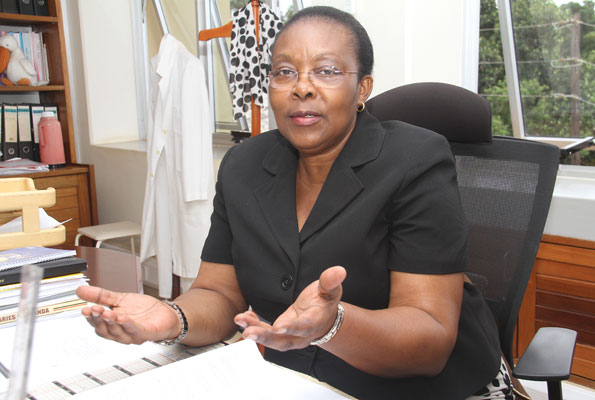
According to the Uganda Blood Transfusion Service (UBTS) Executive Director Dr. Dorothy Kyeyune, the country needs 350,000 units of blood annually but can only raise between 270,000 and 300,000.
“This leaves an annual lethal deficit of between 50,000 to 100,000 units and this needs to be bridged. Blood is critical in the care and treatment of coronary heart diseases, HIV/AIDS, perinatal conditions, malaria, road traffic accidents, cancer and sickle cell anaemia. These are some of the leading causes of death in Sub-Sahara Africa,
