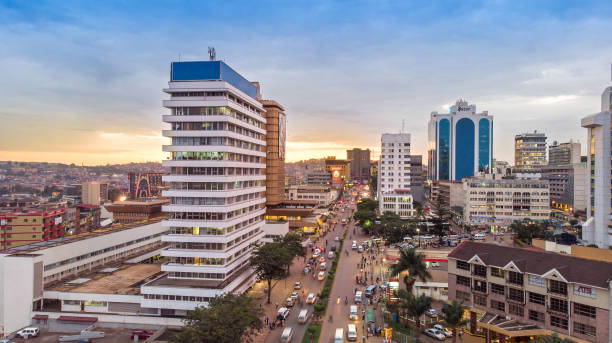
Kampala’s real estate market demonstrated resilience in the second half of 2025, underpinned by macroeconomic stability, contained inflation, and sustained infrastructure investment. Economic growth strengthened to 6.3% in FY 2024/25, marking a full recovery to pre-COVID-19 growth levels, while inflation remained well below the Bank of Uganda’s 5% target. The Uganda Shilling maintained relative stability, supported by a strong balance of payments position driven by record coffee exports and increased foreign exchange inflows. However, market sentiment remained cautious ahead of the January 2026 general elections and reduced donor-funded activity.
The residential sector softened modestly, particularly within prime expatriate neighborhoods, as increased apartment supply and shifting tenant demographics exerted downward pressure on rents. Two-bedroom units recorded the sharpest rental correction, while three-bedroom units remained comparatively resilient. Occupancy levels held broadly stable, supported by growing uptake from high-income Ugandan nationals. The sales market experienced increased distressed listings, with strongest demand concentrated in studio and one-bedroom units driven by investment-led purchases for the short-let market.
The office sector transitioned firmly into a tenant-favorable cycle following the delivery of new Grade A+ stock, which drove a pronounced “flight to quality.” Leasing activity was dominated by relocations rather than new demand, resulting in rising vacancy levels within older and Grade AB buildings. Rental levels remained stable for Grade A+ offices but softened for Grade A and AB space. Demand remained concentrated in smaller, flexible office units and suburban locations, reflecting hybrid working models, cost sensitivity, and pre-election caution.
The retail sector remained resilient, supported by strong growth in footfall across prime and neighborhood malls, despite softer average spend per visit. Prime malls approached saturation, with leasing activity increasingly selective, while suburban retail continued to benefit from the formalization of informal trade and the expansion of convenience-led retail formats. International brands and established regional chains outperformed, supported by stronger brand recognition, promotions, and experiential retail offerings.
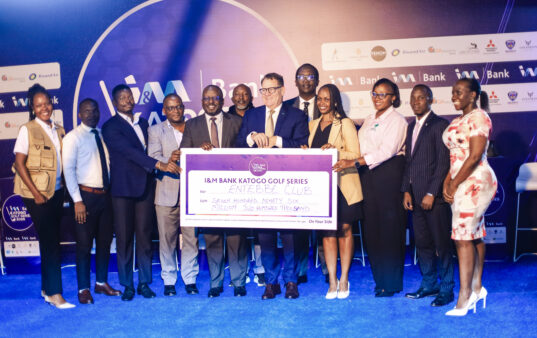
 I&M Bank Katogo Golf Series returns with Shs 796m boost and an exciting new format
The industrial sector recorded the strongest performance across all asset classes, with occupancy levels consistently above 80% and rental rates remaining firm. Demand was driven by record coffee exports, preparations for oil production targeted for H2 2026, and sustained FMCG and logistics activity.
Purpose-built and well-located industrial facilities continued to outperform, while infrastructure constraints limited short-term supply growth.
Overall, Kampala’s property market enters 2026 on a stable but cautious footing. While near-term risks linked to elections and oil-sector timelines persist, long-term fundamentals remain supportive, particularly for industrial, suburban office, and convenience-led retail assets.