In all of Uganda’s government programmes, no initiative has captured the spirit of grassroots transformation quite like the Parish Development Model (PDM).
It is the most ambitious effort yet to connect public finance directly to ordinary citizens, taking government services, credit, and enterprise support to the parish—the lowest administrative level of Uganda’s economy.
Launched in February 2022, the PDM seeks to transition 3.5 million subsistence households into the money economy by channelling resources to local communities. The results are already visible: UGX 3.29 trillion disbursed to over 2.4 million households, and financial inclusion rising from 77% in 2018 to 81% today.
At its inception, the public doubted whether the PDM would succeed—many expected it to follow the fate of earlier initiatives like Entandikwa and Bonna Bagaggawale. But thanks to a team at the Ministry of Finance, Planning and Economic Development, a robust infrastructure has been built, enabling funds to now move directly from the Treasury, through the Wendi platform, to last-mile beneficiaries.
The Parish Development Model rests on seven pillars—production and marketing, infrastructure and economic services, financial inclusion, social services, mindset change, a parish-based information system, and governance and administration.
Of these, Financial Inclusion (Pillar 3) has had the most immediate and transformative impact—enabling low-income households to save, invest, and manage their finances, ultimately driving poverty reduction, especially in rural areas.
President Museveni’s Vision and Strategic Direction
At the core of this success stands President Yoweri Kaguta Museveni, the chief architect, political sponsor, and strategic overseer of the PDM. From his earliest speeches in the 1980s, Museveni consistently championed one foundational idea: that Uganda’s economy must be put in the hands of the people. The PDM gives institutional life to that vision—anchoring planning, financing, and service delivery at the parish level.
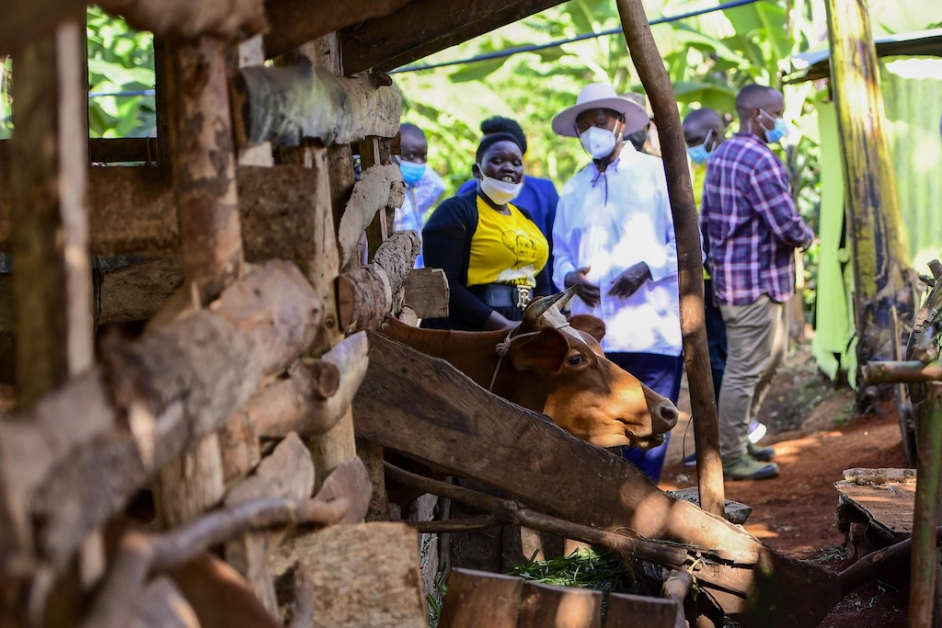
When he launched the programme in Kibuku District, Museveni described it as “a strategic instrument to move Ugandans from working for the stomach to working for the pocket.” In his view, the PDM is the next phase of Uganda’s socio-economic revolution —a vehicle for inclusive prosperity that delivers development directly to citizens.
President Museveni’s leadership has been strategic, symbolic, and directive. He has ensured that the PDM is not only fully funded but also structurally embedded within Uganda’s fiscal and institutional frameworks. By placing it under the Ministry of Finance, Planning and Economic Development (MoFPED) and the Office of the Prime Minister, he elevated the model from a rural project to a national economic transformation instrument.
Through Cabinet directives, Museveni has aligned all ministries and agencies with the PDM framework and introduced parish-level performance monitoring, ensuring that success is measured by the number of households accessing credit, joining SACCOs, and producing for markets. His regional tours—meeting farmers, local leaders, and parish chiefs—have turned policy into mobilisation, reinforcing accountability and ownership at every level.
From Vision to Implementation: Meet The Ministry of Finance’s Technical Backbone
While President Museveni provides the vision, the Ministry of Finance, Planning and Economic Development (MoFPED) serves as the PDM’s technical backbone—turning policy into practice through disciplined financial management, technology, and coordination.
Behind every parish SACCO that receives funding lies a network of technocrats at MoFPED who ensure the money is budgeted correctly, disbursed, monitored, and accounted for. Their collective effort has made the PDM a model of fiscal innovation and government accountability.
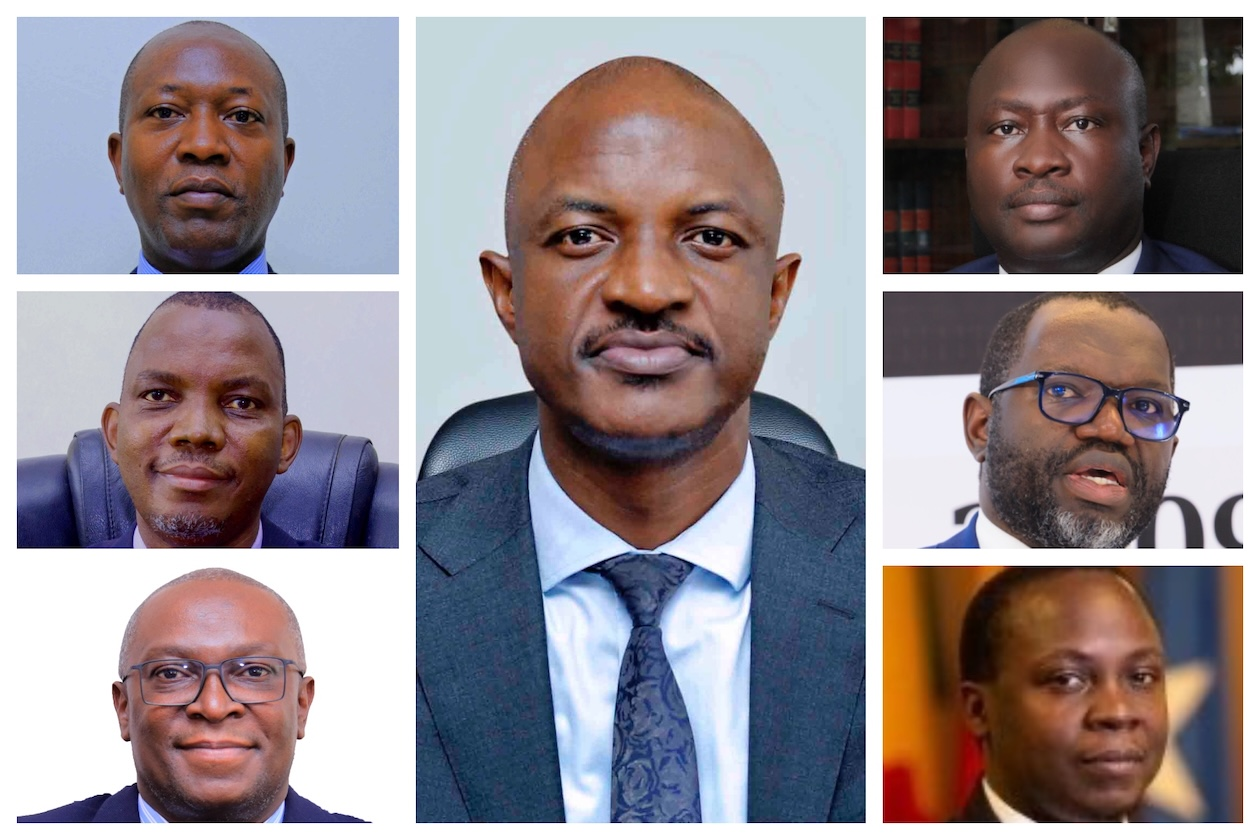
Ramathan Ggoobi
At the heart of MoFPED’s implementation machinery is Mr. Ramathan Ggoobi, the Permanent Secretary and Secretary to the Treasury (PS/ST). As Uganda’s chief technocrat and economic strategist, Ggoobi is the principal architect of the PDM’s financial and operational framework. He leads the design of systems that ensure every shilling released from the Consolidated Fund is traceable from the Treasury to the last-mile beneficiary. Under his direction, the Treasury has adopted digital payment channels and real-time dashboards to track fund flows, eliminate leaks, and improve transparency.
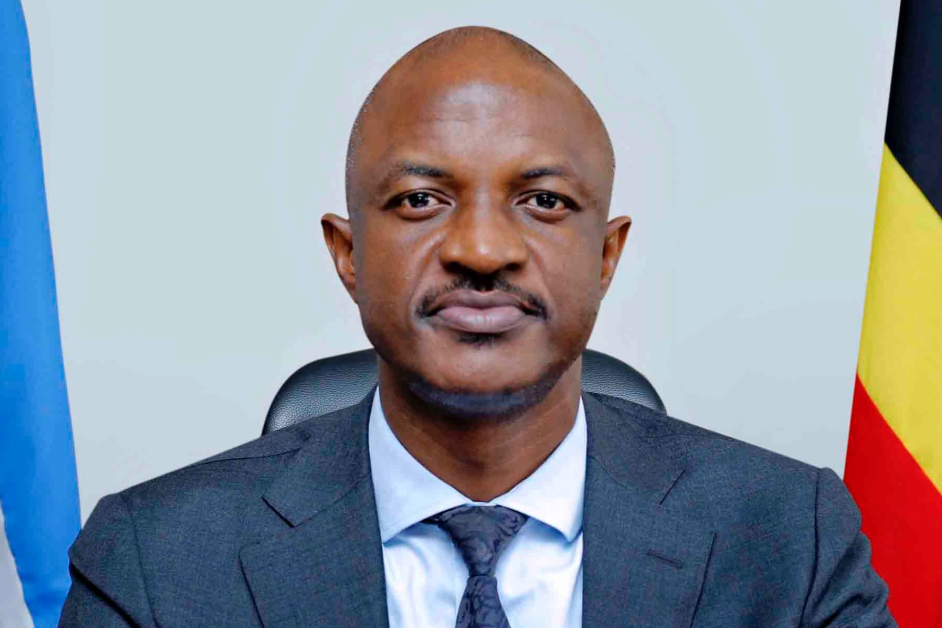
Ggoobi’s stewardship has also transformed how public money moves. By prioritising government-owned banks such as PostBank Uganda and Housing Finance Bank to handle PDM transactions, he has strengthened Uganda’s financial sovereignty and ensured accountability in fund management.
A reform-minded economist, Ggoobi’s leadership style blends discipline, data, and delivery. His work has elevated MoFPED from a passive fund custodian to an active driver of economic transformation, ensuring that President Museveni’s vision is backed by the systems, technology, and fiscal integrity needed to make it real.
 Stanbic Accelerates Uganda’s Digital Future with “Kikole Ku Speedii” Campaign
Godfrey Ssemugoma
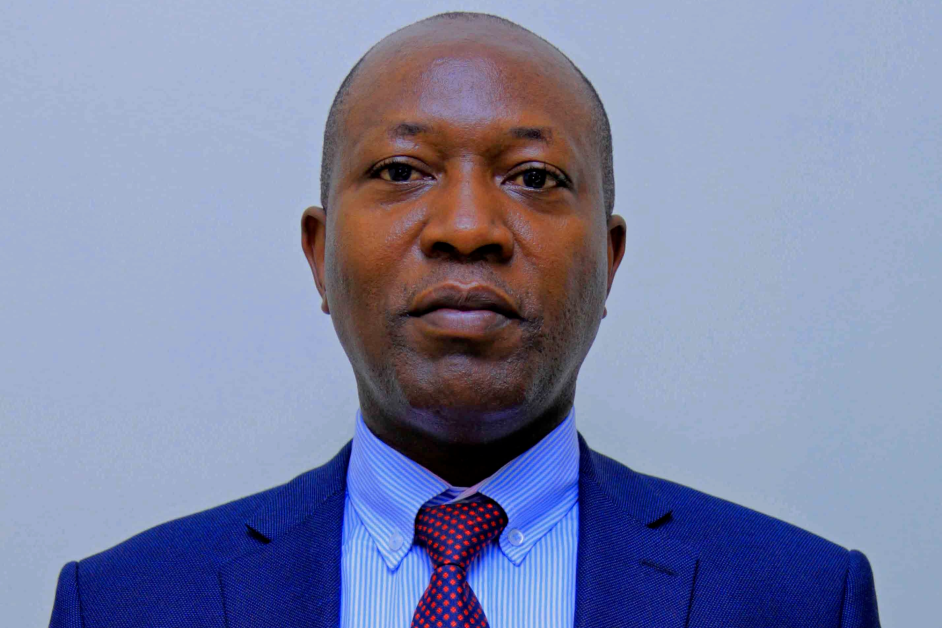
As Acting Accountant General, Mr. Godfrey Semugoma leads the integration of the Parish Development Model Information System (PDMIS) with participating banks and SACCOs. This innovation enables real-time tracking of disbursements, automates reconciliation, and ensures every transaction is digitally recorded—cementing Uganda’s shift to data-driven financial governance.
Kaggwa Moses
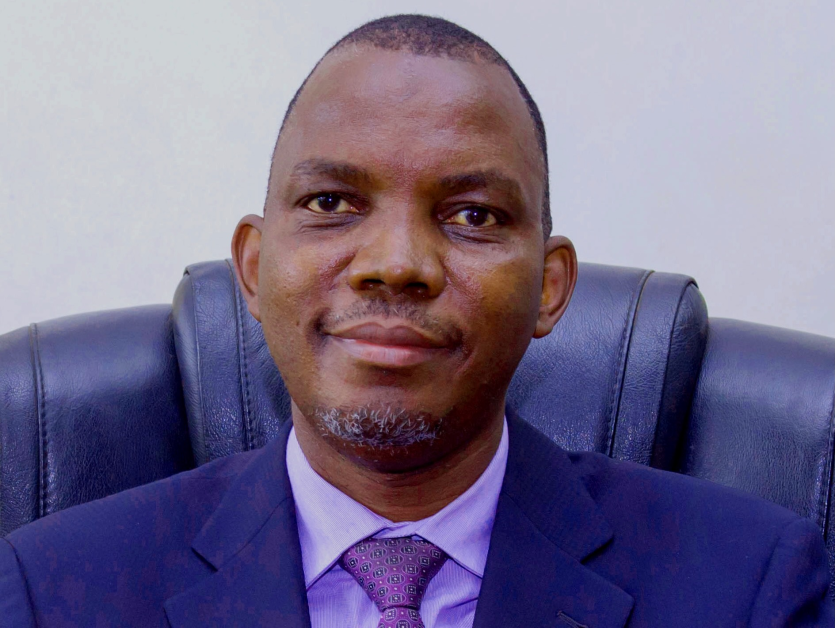
Mr. Kaggwa Moses, the Director of Economic Affairs at the Ministry of Finance, Planning and Economic Development (MoFPED), plays a pivotal role in maintaining Uganda’s macroeconomic stability and ensuring a sound fiscal environment that underpins the Parish Development Model (PDM). He oversees the formulation of national economic policies, revenue mobilisation strategies, and medium-term macroeconomic planning—ensuring that government priorities like the PDM are implemented within a stable and predictable fiscal framework.
Under the PDM, Mr. Kaggwa’s work focuses on promoting inclusive growth, financial inclusion, and long-term economic resilience. Through his leadership, MoFPED continues to balance fiscal discipline with pro-development spending, creating an enabling environment where initiatives such as the PDM can thrive and deliver tangible benefits to millions of Ugandans at the grassroots.
Moses Ogwapus
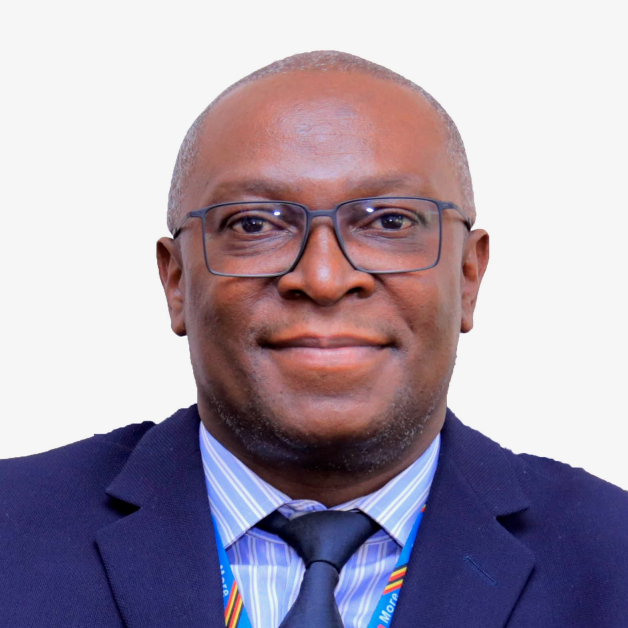
Mr. Moses Ogwapus, the Commissioner for the Financial Services Department at the Ministry of Finance, Planning and Economic Development, heads Pillar 3 – Financial Inclusion, the operational core of the Parish Development Model (PDM). He oversees the flow of funds from the Treasury to parish-based SACCOs, ensuring that every parish receives its allocation to support the selected PDM enterprises.
Under his supervision, the programme has enabled thousands of communities to access affordable finance and invest in productive sectors such as dairy, poultry, coffee, and crop farming. His strategic leadership has expanded the reach of rural financial services, empowering millions of Ugandans to join the formal economy and turning financial inclusion into a practical tool for wealth creation and sustainable livelihoods.
Dr. Ssengonzi Ddamulira
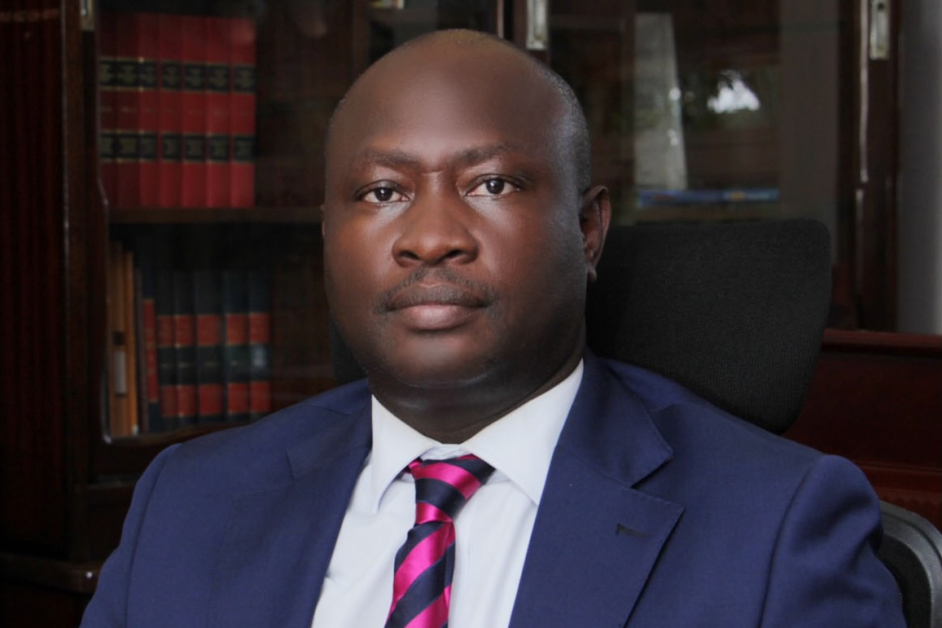
Dr Ssengonzi Ddamulira, the Accounting Officer of the Ministry of Finance, Planning and Economic Development (MoFPED), plays a pivotal role in ensuring the timely disbursement of funds to PDM SACCOs nationwide.
Under his leadership, MoFPED has strengthened cash management, financial reporting, and accountability systems, ensuring that every shilling allocated to the PDM is traceable and used for its intended purpose. Dr. Ddamulira’s commitment to fiscal discipline and procedural rigour has enhanced public confidence in the programme, making him a key guardian of financial integrity in Uganda’s most ambitious development initiative.
Dr. Bob Munene
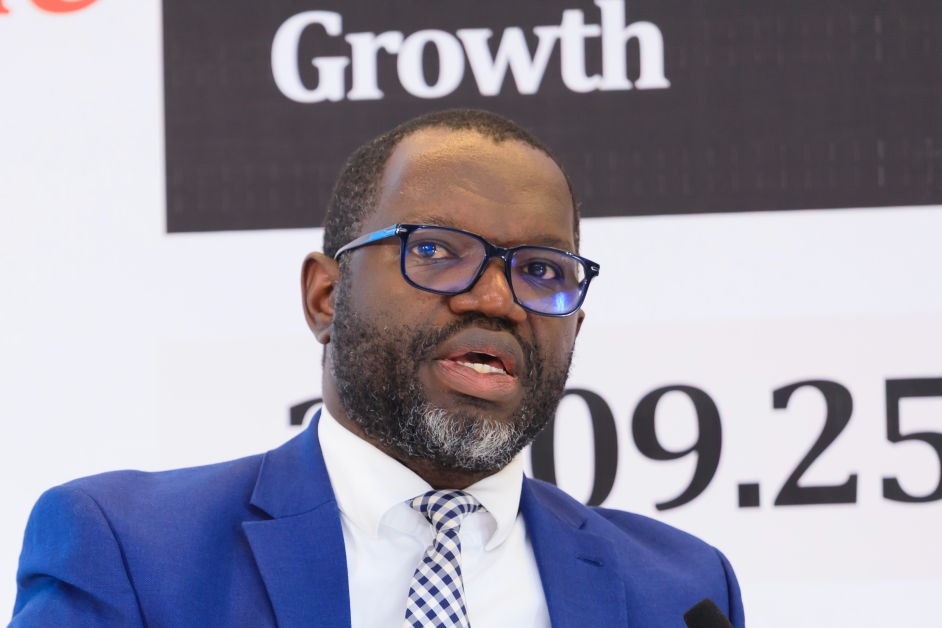
Dr. Bob Munene, the Assistant Commissioner in the Financial Services Department, leads the monitoring and evaluation of the Parish Development Model (PDM), with a particular focus on Pillar 3 – Financial Inclusion. He is responsible for tracking the flow and impact of funds disbursed to parish-based SACCOs, ensuring that financial resources are not only delivered but are effectively utilised to transform livelihoods.
Guided by his results-driven mantra—“Funds should not only reach the farmer; they must reach the farm”—Dr. Munene has championed a data-based approach to evaluating PDM performance. His oversight ensures that every shilling translates into measurable outcomes in production, income growth, and community wellbeing, making him one of the key figures turning policy into tangible rural prosperity.
Golooba Lwanga Kezekia
As Pillar 3 Manager, Mr. Golooba Lwanga Kezia oversees coordination between the Ministry and field actors, including SACCO leaders, parish chiefs, and district officers. His work ensures proper governance, reporting, and capacity building, helping parishes manage their revolving funds sustainably.
Building a Legacy of Accountability and Impact
Together, these technocrats represent the technical backbone of Uganda’s Parish Development Model.
The result is more than numbers on a balance sheet—it is a transformation in how government delivers development. For the first time, public funds are reaching farmers directly, communities are saving and investing collectively, and governance is measurable at the parish level.
Backed by President Museveni’s unwavering vision and powered by the Ministry of Finance’s technocratic discipline, the Parish Development Model is emerging as Uganda’s most ambitious—and most transformative—programme of the modern era.