When Old Mutual Holdings Plc (Old Mutual Group East Africa) released its half-year 2025 results, the numbers drew attention — and not for the right reasons. Profit before tax plunged 66%, from KShs 1.1 billion in June 2024 to just KShs 380 million. Net profit was a razor-thin KShs 5 million, a 98% drop from KShs 327 million a year earlier.
For investors, it was a sobering moment. After two years of steady recovery and a triumphant return to profitability in 2024, the sharp decline in early 2025 sparked concern: was the momentum fading, or was the turnaround losing steam?
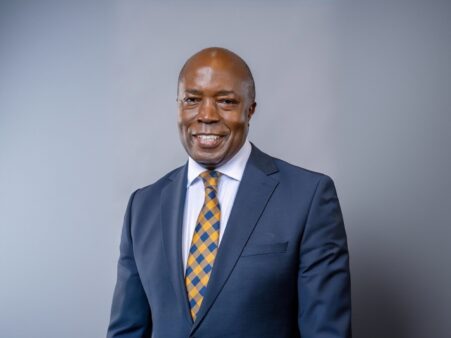
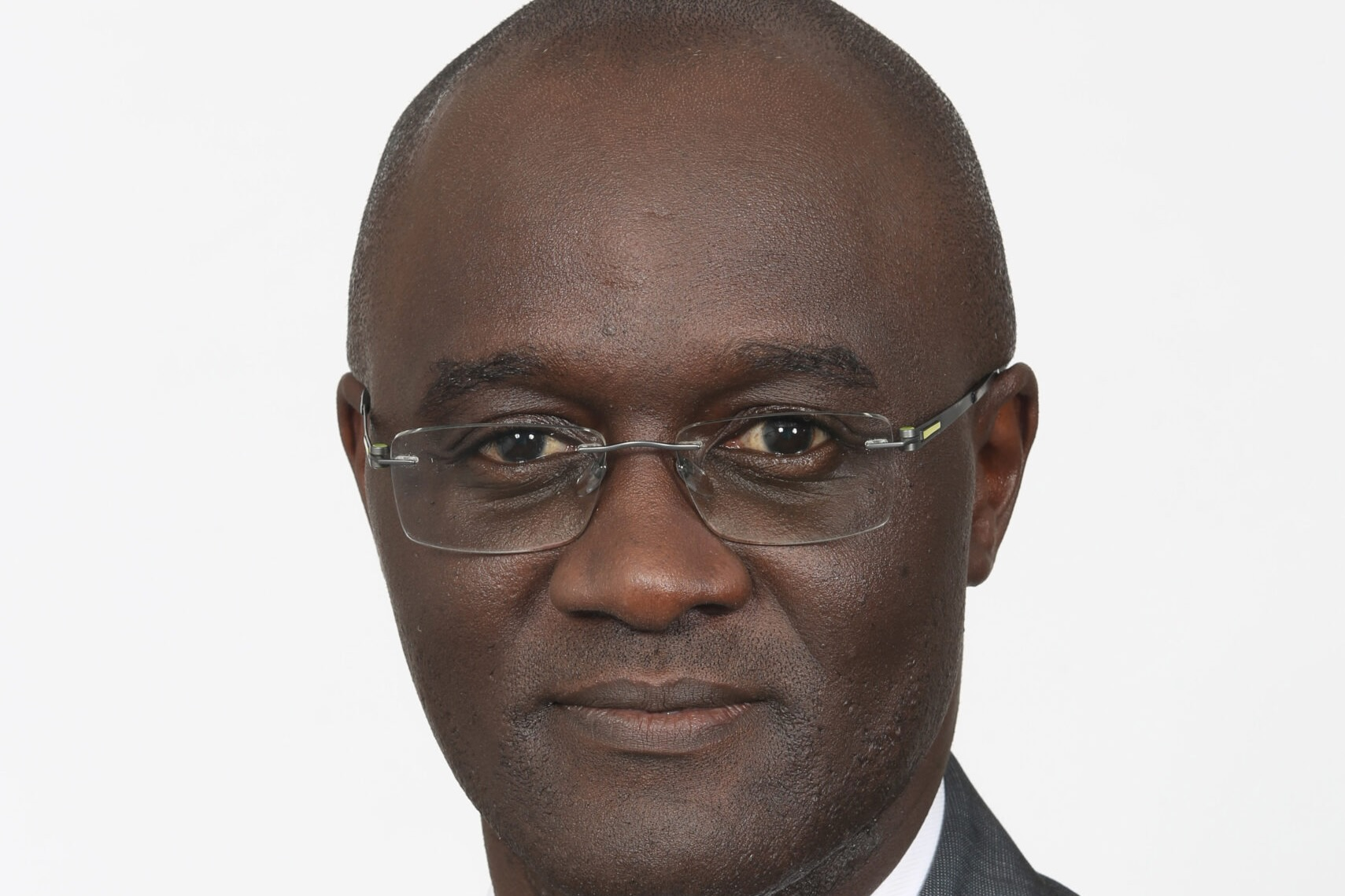
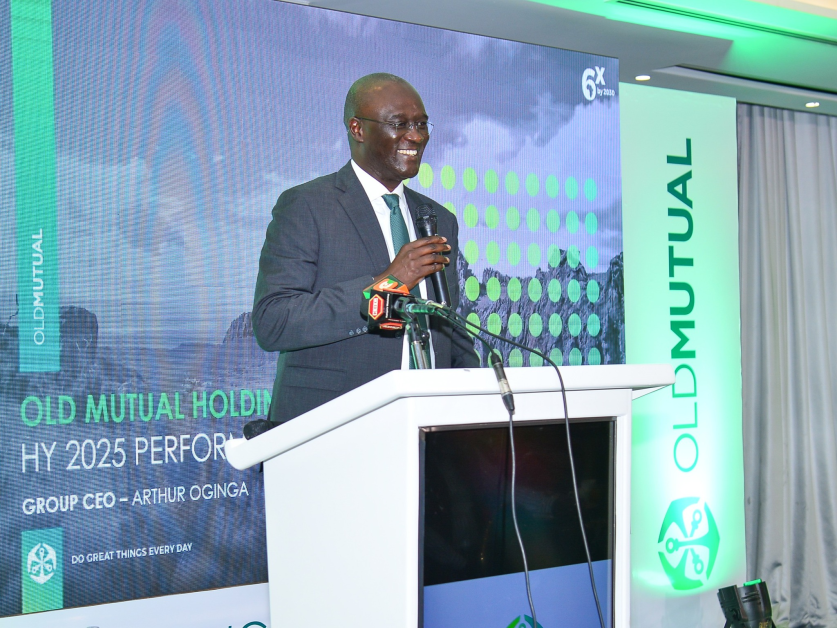
For Arthur Oginga, the Group Chief Executive Officer of Old Mutual East Africa since April 2020, such questions come with the territory. In their joint statement, Oginga and Board Chairman Dr. Habil Olaka attributed the decline to market dynamics rather than operational weaknesses.
“The decline in profitability was driven by the net effect of lower interest income, fair value movements of fixed-income securities and an increase in discounted insurance liabilities,” they explained.
Falling interest rates eroded investment income while raising long-term insurance obligations — a “double squeeze” that hit nearly all major insurers. Higher claims and administrative costs, particularly in life and medical lines, added further strain. Yet, beneath the headline numbers, Old Mutual’s fundamentals held firm: total assets rose 6% to KShs 79.2 billion, and liquidity remained solid at KShs 14.3 billion.
The Recovery Architect?
Arthur Oginga’s rise to the helm of UAP Old Mutual Holdings Plc in April 2020 marked a carefully managed transition at one of the Group’s most turbulent moments. He succeeded Peter Mwangi, who had led since 2015 and was credited with consolidating UAP, Old Mutual, and Faulu Microfinance Bank under one structure. Oginga’s appointment symbolised both continuity and renewal — continuity as an insider who had served as Group Chief Operating Officer, Group CFO for Old Mutual Rest of Africa, and Acting Group CFO for UAP Old Mutual; and renewal through his sharp financial discipline and focus on efficiency.
With more than 25 years of experience in Africa’s financial services sector and professional credentials from ICPAK and ICPAU, Oginga took charge as the Group wrestled with post-merger integration challenges, high borrowing costs, volatile markets, and the early shocks of the COVID-19 pandemic. His mandate was clear: restore profitability, complete integration, and reposition Old Mutual as a lean, agile regional powerhouse.
Five years later, his record reads like that of a deliberate strategist — steady, data-driven, and patient. He rebuilt foundations, streamlined operations, and restored profitability through cost discipline and prudent asset management.
In his first year, the pandemic hit hard. Old Mutual posted a net loss of KShs 1.31 billion as investment values fell and claims spiked — still an improvement from the KShs 3.5 billion loss in 2019. Oginga’s immediate focus was on capital preservation, liquidity management, and debt renegotiation. Despite losses, the Group maintained assets of KShs 63.6 billion and strong liquidity buffers — a vital base for recovery.
By 2021, losses narrowed to KShs 1.08 billion as investment income rebounded 20% to KShs 4.6 billion. Oginga implemented cost rationalisation across subsidiaries, trimming more than KShs 500 million from operating expenses. It was a year of quiet stabilisation rather than headline growth.
In 2022, the tide began to turn. Losses reduced further to KShs 1.39 billion, while operating profit before financing costs climbed to KShs 1.83 billion, up from KShs 1.25 billion. Oginga intensified efficiency measures, pruning underperforming portfolios and preparing a capital restructuring plan to cut the Group’s heavy debt load.
That restructuring came in 2023, when a KShs 8.77 billion debt-to-equity conversion halved leverage and slashed finance costs. The Group posted a small after-tax loss of KShs 114 million — its narrowest since 2018. Operating profit held at KShs 3.8 billion, and insurance revenues rose to KShs 32.6 billion. Shareholders’ equity nearly doubled from KShs 9.9 billion to KShs 19.2 billion, the strongest capital position in over a decade.
By 2024, the turnaround was complete. Old Mutual posted a net profit of KShs 838 million — its first full-year profit in five years. Profit before tax surged to KShs 2.59 billion, buoyed by a KShs 2.3 billion rise in investment income and reduced finance costs. Total assets reached KShs 74.8 billion, and shareholders’ equity stood firm at KShs 19.7 billion.
Oginga’s focus on cash generation, operational efficiency, and capital strength paid off. The debt-to-equity ratio fell to 0.36×, one of the lowest in the regional industry — proof that patient management and disciplined execution can yield sustainable recovery.
Between 2020 and 2024, losses shrank from KShs 1.31 billion to a profit of KShs 838 million, finance costs nearly halved, and equity doubled. Operating profits stayed above KShs 3 billion even in tough years, and assets remained resilient between KShs 75–80 billion.
Through it all, Oginga has remained the archetype of a strategist who values sustainability over speed — proving that patient, data-led management can restore confidence in even the most complex institutions.
A CEO in the Hot Seat
The half-year 2025 results, however, are a reminder that the turnaround is not yet complete. Consolidated profit before tax fell 66% to KShs 380 million, reflecting weaker insurance margins and higher financing costs. Insurance revenue declined by 2.4%, from KShs 16.8 billion to KShs 16.4 billion, due to subdued business volumes and rising claims. While insurance service expenses improved slightly, the benefits were eroded by a 10% increase in discounted insurance liabilities and weaker underwriting results.
Investment income, on the other hand, rose 13.5% to KShs 4.2 billion, driven by stronger returns from money market funds. But finance costs climbed 7% to KShs 580 million due to currency pressures. Operating profit before financing costs dropped 41%, from KShs 1.63 billion to KShs 960 million.
Earnings per share turned negative — from KShs 1.42 in June 2024 to KShs –1.21 in June 2025 — and no dividend was recommended, marking the eighth year without shareholder payouts. The last dividend was in 2017. Despite the 2024 rebound, Oginga’s decision to withhold dividends underscores the tension between rebuilding capital and rewarding shareholders. Unless the second half improves, investors face another dry year.
A deeper issue lies in the imbalance driving Old Mutual’s recovery. The investment and asset management arm has become the primary profit engine, with investment income rising from KShs 5.4 billion in 2023 to KShs 7.7 billion in 2024, and another KShs 4.2 billion in H1 2025. Investment returns now contribute more than two-thirds of profit before tax. Liquidity improved to KShs 14.3 billion, and total assets grew steadily, but the insurance business — which contributes nearly 70% of revenue — is under strain.
 Ruparelia Group Wins Key Entebbe Land Case, Clearing Path for the New Mega Speke Resort and Convention Centre, Entebbe
Insurance revenue rose just 3.7% in 2024, while expenses climbed 8%, compressing the insurance service result by 78% to KShs 360 million. In the first half of 2025, revenue dipped again, pushing the business into a KShs 303 million loss. Unless underwriting, claims control, and reinsurance improve, the core business risks stagnation even as the investment arm thrives.
Oginga’s challenge now is to reignite profitability in the insurance engine — the heart of Old Mutual’s identity — while sustaining the momentum of the investment division that has become its stabilising force.
A Market in Flux
Oginga’s journey unfolds amid one of the most competitive periods in Africa’s insurance history. The entry of SanlamAllianz — a joint venture between South Africa’s Sanlam and global insurer Allianz formed in 2023 — has redrawn the map. With a presence in over 25 markets, deep capital reserves, and global technical expertise, the new entity has quickly become a formidable competitor, especially in East Africa, where it has absorbed general insurance units such as Jubilee Allianz.
For Old Mutual, this is more than rivalry — it is a structural shift. SanlamAllianz’s ability to underwrite at scale, cross-subsidise pricing, and attract talent threatens established players. Oginga knows that surviving in this new order demands agility, technology, and sharp strategic focus. His restructuring drive — exiting low-yield assets, digitising customer platforms, and reinvesting in high-yield investments — is a direct response to that challenge.
Even amid the profit slump, Oginga has tightened Old Mutual’s cost base and balance sheet. Liquidity rose from KShs 11.3 billion in December 2024 to KShs 14.3 billion by mid-2025, and total assets grew to KShs 79.2 billion. Shareholders’ equity held steady at KShs 19.8 billion, proof of capital resilience.
He has maintained lean operations, cut financing costs through sustained deleveraging, and invested in technology that trims administrative overheads without compromising service.
The Exit from Real Estate
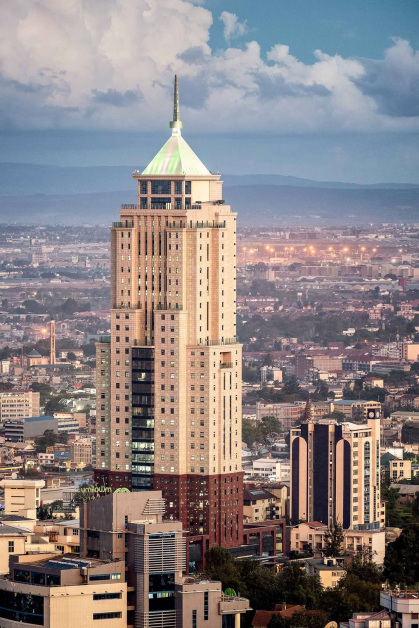
Among Oginga’s boldest moves is the decision to exit Old Mutual’s KShs 19 billion real estate portfolio, including the Old Mutual Tower in Nairobi’s Upper Hill and Nakawa Business Park in Kampala. Once symbols of corporate prestige, these properties have delivered low single-digit yields for years.
“Yields never quite match market interest rates,” Oginga told Business Daily. “Capital appreciation over the last decade has been flat. That’s the challenge until the market turns.”
The divestment, spanning Kenya, Uganda, Rwanda, and South Sudan, is not a fire sale but a strategic release of trapped capital. The goal is to redeploy funds into high-yield short-term investments and the Group’s expanding asset management and insurance businesses. It’s a shift from prestige to performance — a reflection of Oginga’s pragmatic approach to capital deployment.
Redefining Old Mutual’s Future
Old Mutual’s transformation under Arthur Oginga is increasingly defined by a strategy that balances operational discipline with innovation and purpose. The company’s 2025 half-year commentary by Oginga and Dr. Habil Olaka (EBS), the board Chairman reaffirmed that “our strategy remains anchored in our vision to be our customers’ first choice in sustaining, growing, and protecting their wellness.” This vision, the statement continued, is built on “operational efficiency, innovation, and our commitment to meaningful partnerships.”
At the heart of this evolving strategy is Old Mutual THRIVE, the Group’s new wellness application. Described in the results commentary as “a complete wellness ecosystem that supports our customers at every step of their journey,” THRIVE reflects the Group’s shift from a transactional insurer to a purpose-driven wellness partner. It embodies Oginga’s conviction that sustainable success in financial services now depends on relevance, customer intimacy, and social value.
The Group also reiterated its focus on sustainability, stating that “sustainability is core to creating mutual futures in the communities we serve.” One of the key pillars of this agenda is financial education — a domain where Old Mutual has become a regional leader. The commentary highlights that “we reached 21,835 youth and teachers through financial literacy programs and distributed financial literacy toolkits to 1,200 teachers via WhatsApp and digital channels.” This initiative, executed in partnership with Safaricom and the Kenya Institute of Curriculum Development (KICD), represents a powerful extension of Old Mutual’s brand into the social impact space.
In addition to these social and digital initiatives, Old Mutual has continued its internal transformation. Following “a comprehensive review of the business in South Sudan,” the Group announced that it had “concluded the process of closing this business in line with our strategic focus on growth markets.” This, the Group said, was due to “the tough conditions experienced in the market that continue to impact the delivery of the short and medium-term strategy”.
“Old Mutual will no longer write new business in South Sudan, but will remain open to serving existing customers during the run-off period,” the Group adds in the H1 2025 commentary.
Looking ahead, the commentary described a cautiously optimistic outlook. It noted that “East Africa’s economic and political landscape has grown increasingly challenging, creating significant headwinds for our businesses”.
“Consumer spending remains constrained due to the increased cost of living and the resulting strain on household budgets. Despite the recent interest rate adjustments, growth in credit remains subdued, particularly among SME businesses and retail sectors. Medical costs and motor claims continue to rise, impacting underwriting margins in our general insurance businesses. Nevertheless, we remain confident in our strategy to withstand the current economic challenges and deliver value to both our customers and stakeholders in the medium and long term,” the Group said.
Oginga and his team are betting on innovation, customer-centricity, and sustainable value creation as the levers of future growth. “We continue to invest in operational efficiencies, product innovation, and meaningful partnerships,” the commentary stated — reaffirming a strategy that sees purpose and profitability as mutually reinforcing.
Old Mutual may have completed its rebranding from UAP Old Mutual — trading the bold, fiery red long associated with UAP for the cool confidence of Old Mutual Green — but the heat remains. For Arthur Oginga, being in the hot seat is less about pressure and more about endurance — the resolve to see transformation through to the end. As he continues to steer Old Mutual through shifting economic tides, Oginga remains focused on one goal: turning a century-old institution into a modern, purpose-driven financial powerhouse ready for the next chapter of African growth.