The Executive Board of the International Monetary Fund (IMF) has approved a 36-month arrangement under the Extended Credit Facility (ECF) for Uganda.
The SDR722 million (200 percent of quota or about US$1 billion), an equivalent of UGX3.55 trillion is meant to support the post-COVID-19 recovery and the Ugandan authorities’ plan to increase households’ incomes and inclusive growth by fostering private sector development.
IMF says that the approval of the ECF arrangement enables immediate disbursement of about US$258 million, usable for budget support. This follows Fund emergency support to Uganda under the Rapid Credit Facility (RCF) in May 2020 of SDR361 million (100 percent of quota or US$491.5 million).
“Uganda’s economy was hit hard by the COVID-19 crisis. Decade-long gains in poverty reduction were reversed, fiscal balances have deteriorated, and pressures on external buffers have intensified,” the IMF says in a Press statement, adding that a mild recovery is underway in some sectors, with economic growth in FY 21/22 expected to reach 4.3 percent before returning to pre-pandemic rates of 6-7 percent in the medium term.
“The outlook remains highly uncertain, with risks tilted to the downside, including from a resurgence of tighter containment measures linked to higher COVID-19 positivity rates.”
“The authorities’ program, enshrined in the third National Development Plan (NDPIII), is built around the principles of private sector-led inclusive growth and public sector reforms to strengthen governance and transparency. It envisages multi-year fiscal consolidation while increasing priority and high-quality infrastructure spending. The program will include reforms to increase domestic revenue, foster public sector efficiency and strengthen governance while preparing the ground for sound management of oil revenues. The program will strengthen the monetary policy and financial sectors frameworks while fostering development, including through financial inclusion,” the statement reads.
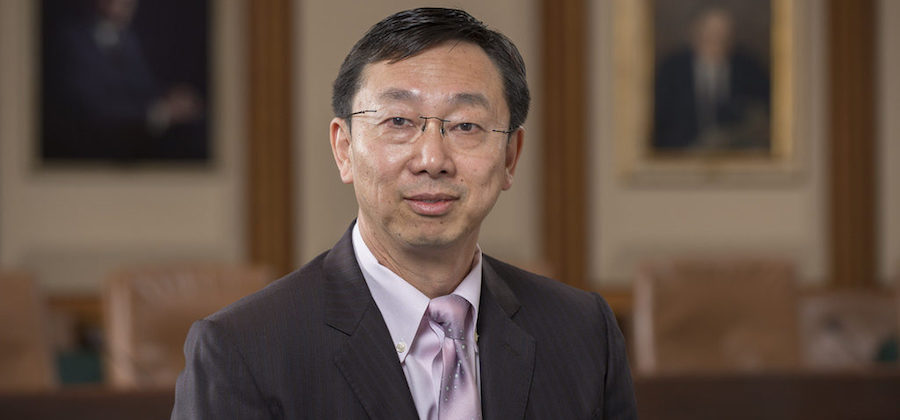
At the conclusion of the Executive Board’s discussion, Tao Zhang, Deputy Managing Director and Acting Chair, made the following statement:
“Uganda’s economy has been severely impacted by the COVID-19 global pandemic, which reversed decade-long gains in poverty alleviation and opened up fiscal and external financing gaps. The authorities’ program, supported by a new arrangement under the Extended Credit Facility, focuses on keeping public debt on a sustainable path while improving the composition of spending and advancing structural reforms to create space to finance private investment, foster growth and reduce poverty.
“Fiscal consolidation, appropriately based on both revenue and expenditure measures during the first year of the authorities’ program, seeks to stabilize the public debt ratio while increasing social spending, including for vaccines. The implementation of the authorities’ Domestic Revenue Mobilization Strategy, better management of public investment, control of domestic arrears and advances in cash management will support the fiscal strategy.
“Prudent debt management is important to reduce vulnerabilities, particularly given Uganda’s moderate risk of debt distress. Every effort should continue to be made to seek concessional financing and pursue relief under the Debt Service Suspension Initiative. Contingency plans put in place would help mitigate risks.
“An accommodative monetary policy stance remains appropriate and the exchange rate should continue to function as a shock absorber. Efforts to increase central bank independence should also be sustained. Flexible use of banks’ capital buffers should be considered to address uncertainties surrounding the COVID-19 pandemic. Close attention should be paid to minimizing financial stability risks, including through strict adherence to accounting and prudential standards, and modernizing the banking resolution and emergency liquidity assistance frameworks.
“Advancing governance reforms remains crucial to support transparency and private sector development. The authorities have made progress in publishing information on audits and the use of COVID-19 funds, but further work is necessary to enhance the AML/CFT framework and strengthen the accountability of high-level officials. Promoting human capital development and financial inclusion, including through wider credit bureau coverage and collateral requirements will further support the authorities’ inclusive growth agenda. Accelerating digitalization would enhance these efforts.”
Uganda is currently grappling with the second wave of the pandemic with President Museveni on June 18 instituting a no movement lockdown for 42 days.
IMF Answers Key Questions on Uganda
What is an Extended Credit Facility and what are the terms to which Uganda agreed to?
The IMF’s Extended Credit Facility (ECF) provides financial assistance to countries facing protracted balance of payments difficulties—meaning their underlying macroeconomic imbalances are expected to be resolved over the medium or longer term. The facility supports economic programs aimed at restoring macroeconomic stability sustainably and reducing poverty durably through strong growth.
The ECF carries a zero-interest rate, with a grace period of 5½ years, and a final maturity of 10 years. The duration of Uganda’s ECF-supported program is three years for a loan of about $1 billion, disbursed in semi-annual tranches. Disbursements are subject to review, which are scheduled, at most, six months apart. These reviews assess the government’s progress in implementing its economic reforms.
The program was approved by the IMF Executive Board on June 28, 2021, which makes available the first disbursement of $258 million.
Why does Uganda need an IMF-supported program
The COVID-19 pandemic has opened a sizeable gap between the resources the government has, and what it needs—a situation that will persist over the medium term. Without additional resources, the government would have to cut spending, including on health, and will have to resort to expensive domestic or non-concessional external borrowing. This would increase costs and reduce resources available for expanding private sector credit.
 Standard Chartered Kenya Targets Nakumatt Properties in $14.3 Million Debt Recovery Battle
The IMF’s financial assistance—which will be disbursed semi-annually over the next three years—will support reforms outlined in Uganda’s third National Development Plan (NDP III) and Medium-Term Fiscal Framework. The government aims to increase priority social spending while keeping debt sustainable. It aims to strengthen public financial management, fortify the banking system, and advance structural reforms, including in governance. These changes will help private sector development and generate more inclusive growth.
The IMF will continue to support the government’s reforms through technical assistance.
What are the goals of the Uganda program supported by the ECF
The central objective of the authorities’ reform program—supported by the IMF’s Extended Credit Facility (ECF)—is to boost recovery from the COVID-19 pandemic, while generating strong and inclusive private sector-led growth. The budget deficit and debt will be reduced over time (as the COVID-19 shock eases) through higher government revenue. Meanwhile, greater public sector efficiency will ensure increased spending on social programs, including on health, education, and social assistance.
A strong multi-year approach to lowering deficits and improving public spending is necessary to ensure sufficient resources are available for vulnerable groups and maintain the much-needed higher spending on health and education.
Greater transparency in public accounts, a stronger anticorruption framework, and higher financial sector resilience will all be needed for more inclusive growth.
How will Uganda’s new IMF program advance the governance and anti-corruption agenda?
Improving governance is a crucial part of the government’s IMF-supported program. In addition to meeting the commitments agreed under the IMF’s emergency financial assistance of May 2020, it includes specific commitments to enhance transparency and accountability in the use of public resources. Measures include stronger cash management, publication of tax expenditures, and stronger reporting requirements for politically exposed persons.
The governance reforms are expected to help Uganda exit the “grey list” of countries with substantial deficiencies in their anti-corruption framework, and progress towards meeting the requirements under the Extractive Industries Transparency Initiative for managing oil revenues.
The program’s transparency and governance reforms will build upon the improvements launched by the government’s new Leadership Code—which requires government officials to disclose their assets, incomes and liabilities, and clarifies sanctions in case of false reporting. This also builds on recent advances in financial sector supervision, and enhanced transparency in procurement.
The IMF provided $491.5 million to Uganda in May 2020 under the Rapid Credit Facility; what transparency measures were put in place to ensure this funding is used appropriately?
The IMF provided emergency financial assistance to Uganda to help ease the impact of the pandemic on the economy and the population. To ensure the funds are used for their intended purposes, the authorities committed to several governance and transparency measures. These include: (i) reporting on the COVID-19 expenditures; (ii) publishing on the government’s website large procurement contracts (above USh500 million for works contracts, and above USh200 million for goods and services) related to COVID-19 spending, together with the names of awarded companies; and (iii) undertaking an independent audit of COVID-19 expenditures.
The Government has already published the independent audit of COVID-19 spending for FY 19/20, and an audit of COVID-19 spending up to the third quarter FY 20/21 was finalized and will be discussed in Parliament. Aggregate procurement reports have also been published on the Ministry of Finance web site. With a portion of IMF funding going to the Uganda Development Bank (UDB), the UDB’s 2020 annual report describes its lending practices and how loans are awarded across sectors. The government has also adopted a template to be used for new COVID-19 procurement contracts that will detail the beneficiaries of those contracts, which will also be published on the Public Procurement and Disposal of Public Assets portal.
Is Uganda’s debt sustainable?
Given plans to unwind crisis measures and raise revenue levels, Uganda’s debt remains sustainable despite the recent increase in debt exacerbated by the COVID-19 crisis.
The authorities’ program supported by the ECF arrangement enshrines a credible, multi-year effort to mobilize domestic revenues, and reduce deficits and debt, while also improving spending quality and efficiency. This will lay the ground for durable and inclusive growth for the years to come.
The $1 billion ECF arrangement with the IMF will help meet Uganda’s significant medium-term financing needs and catalyze other donor support. To avoid sharper fiscal consolidation and more expensive commercial borrowing, the authorities are taking part in the Debt Service Suspension Initiative and making every effort to pursue other concessional resources from development partners.