#1: CONDOMINIUMS ARE THE FUTURE- BUILD SOME OR BUY ONE
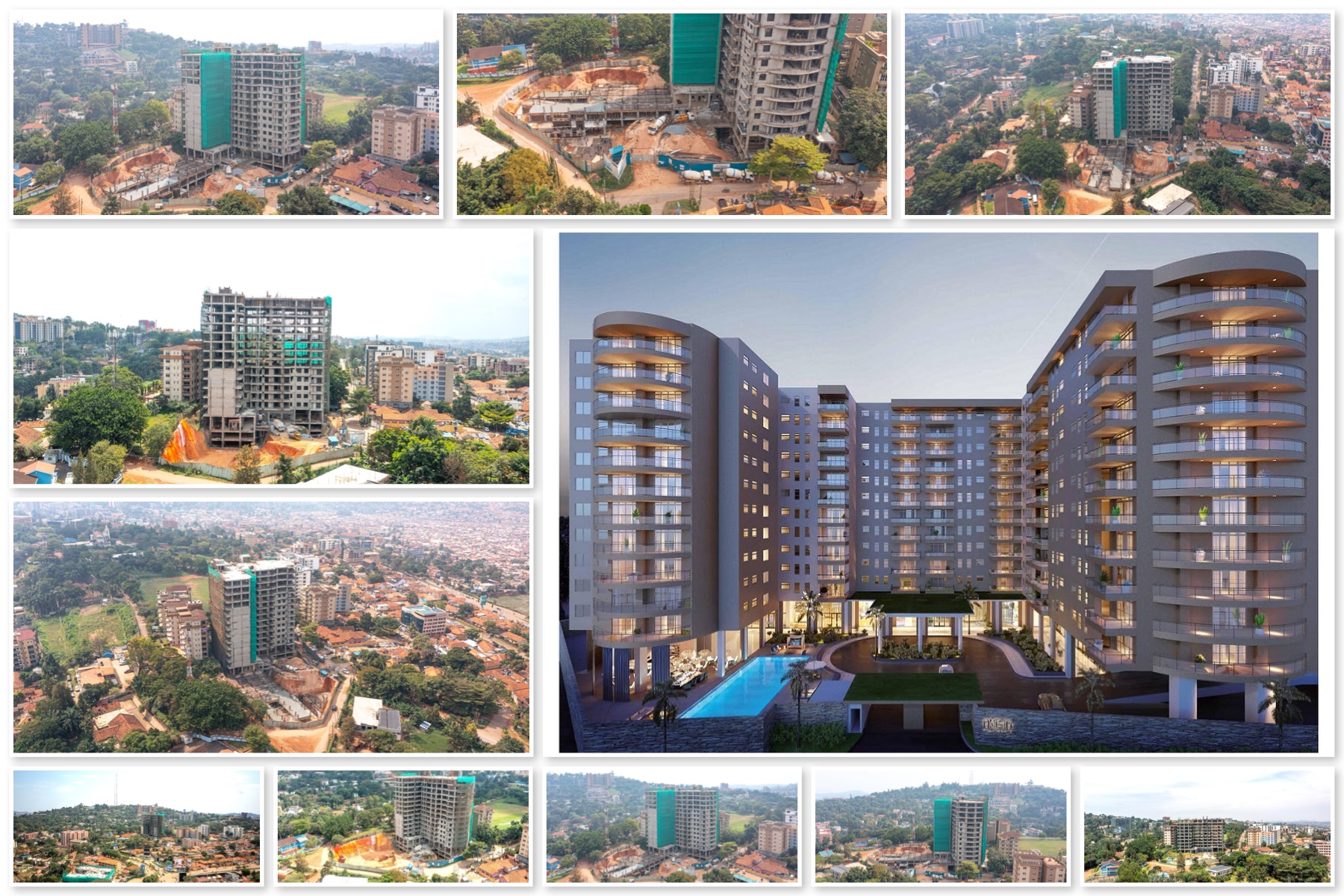
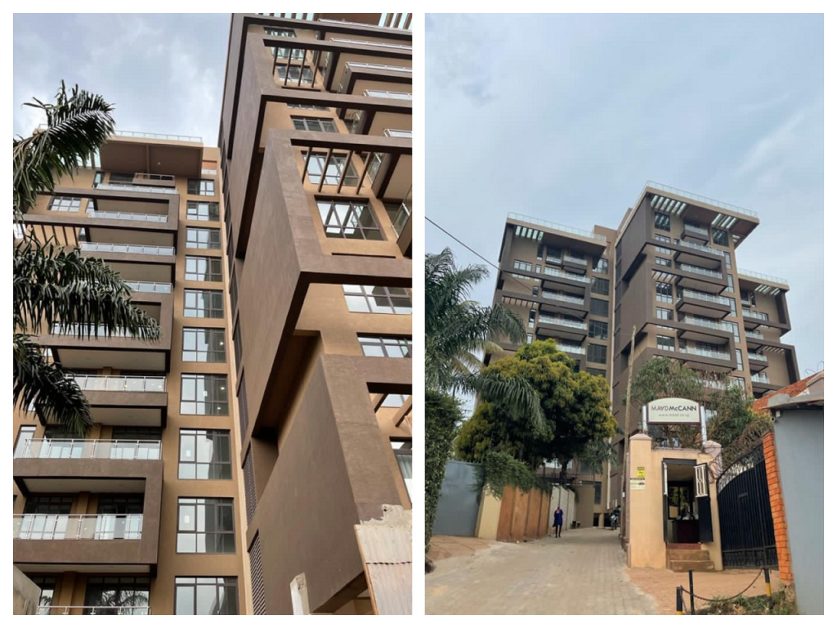
Land in Kampala City is getting expensive and the traditional Ugandan bungalows with large gardens can only be sustained several kilometres away from the city centre. A cost-effective way of utilising land is building upwards. A typical family in Kampala must spend close to 4 hours daily, getting to and from work- time they should be used to improve their business or careers or with their families. Compared to condominiums where there is a shared cost of maintenance and therefore enhanced security, the bungalows in the suburbs are getting more insecure. According to Sudhir, the time is coming when people shall abandon these ‘upcountry’ homes and return to live and work in the city and only return to their suburban homes over the weekend. This shall stimulate demand for condominiums- which creates opportunities for both developers and buyers.
“Condominium is exciting. It is going to be here (for longer),” says Dr Sudhir Ruparelia.
#2: IF YOU OWN PRIME LAND, YOU DON’T HAVE TO HAVE ALL THE MONEY TO OWN A CONDOMINIUM
If you an empty-nester— retired and the children have grown up and left, but you have prime land or a very large home in areas like Kololo, Naguru, Bugolobi etc., you don’t have to live an asset-rich but cash-poor retirement life. Look for reputable developers and partner with them to put up apartment blocks and get a share of the investment in form of some apartments. That way you live comfortably, in a smaller and easier to manage home, but you still have some spare apartments for monthly income to live on for the rest of your life.
#3: IF YOU ARE PAYING OVER UGX2 MILLION IN RENT OUTSIDE OF KAMPALA, YOU NEED TO CONSIDER A MORTGAGE SO YOU START ACCUMULATING WEALTH TODAY
A typical Kampala household will spend usually three to four years building a house several kilometres out of Kampala, all the while renting. According to Doctor Sudhir- in these 3-4 years, you will have paid anywhere between UGX60 million to UGX120 million in rent alone, only to go and live 20-40 kilometres away from the Central Business District, yet you could get a 10-15 years mortgage facility to buy a more decent and more secure condominium in a better planned and serviced prime neighbourhood, within 10-20 minutes to the city centre. closer to the city 4-5 years.
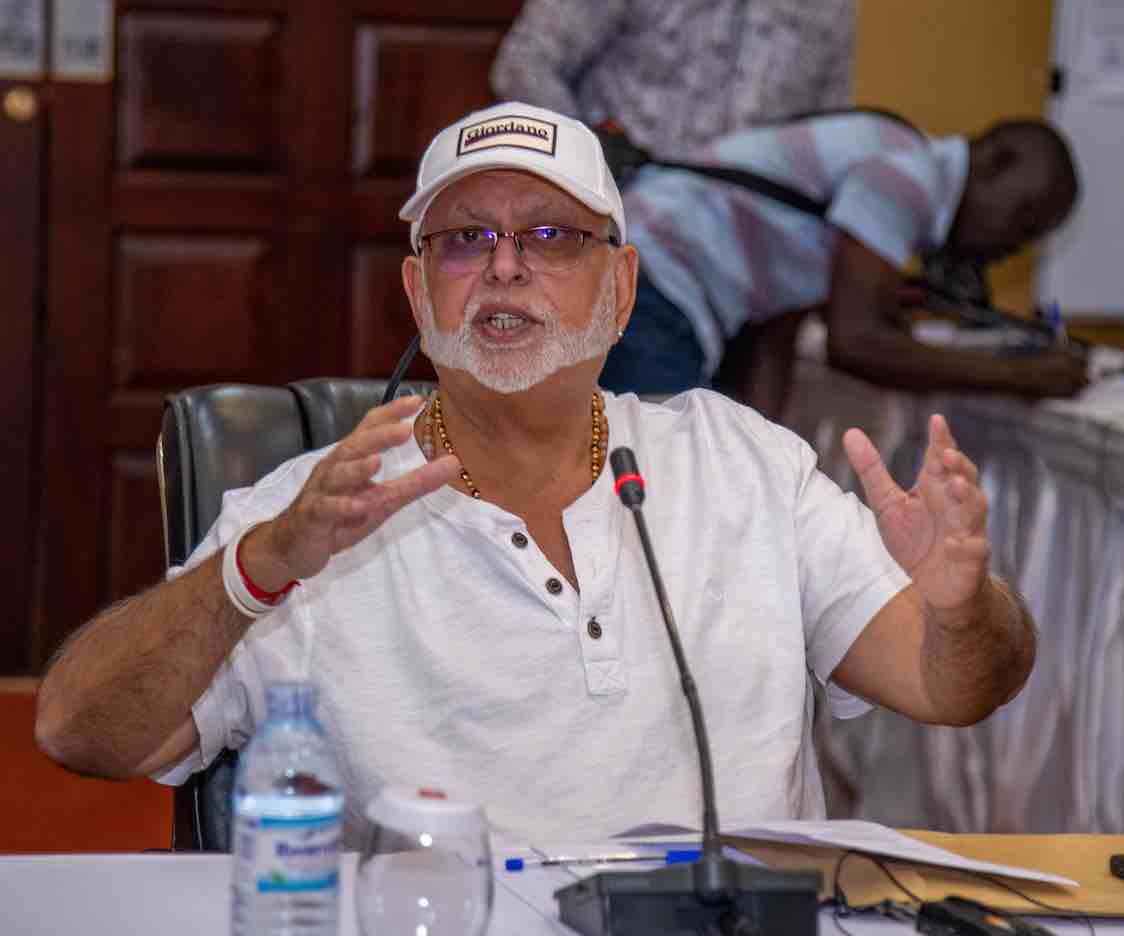
“If you can get a mortgage facility whose repayment is equal to the monthly rent you are paying, get it. Either way, you were going to pay the rent, anyway. This way, you will be accumulating wealth and your rent will not be wasted,” says the real estate mogul.
# 4: REAL ESTATE CAN BE EXTREMELY GOOD BUSINESS. BUT IT’S ALSO EXTREMELY, DANGEROUS. DE-RISK BY NOT BORROWING AT THE START
Everyone is born a real estate entrepreneur. The desire to own land and a roof over your head are inborn. So, we are all born real estate entrepreneurs. But start small. Acquire land. Put something on it- it could even be trees but add value to the land. Don’t rush. Don’t rush to borrow especially expensive money in Uganda to be able to make it overnight.
“I believe that your success in real estate will only come if you don’t borrow money. Real Estate can be an extremely good business. But it’s also extremely, extremely dangerous business. Because you can, if you plan it right, make it. If you make a mistake and overstretch yourself in leveraging or borrowing, it will bring your downfall,” advises Dr Sudhir.
“My biggest advice to anyone is, first of all, work hard at one or two jobs or businesses create your cash flow and build your first house without any borrowings. Then grow, maybe with a second or third property, before you borrow. If you want to expand beyond that, you can take some loan knowing that you have got rental income from four different properties,” adds Sudhir.
Dr Sudhir who his real estate business has been growing for the last 35-36 years, has an exception to the don’t borrow for your first property rule. He advises if you have regular income like a salary and you can get a financing facility whose monthly repayment is equivalent to current rent, then it is a sustainable way to borrow for a home.
# 5: NO THANK YOU- THE REAL ESTATE BUBBLE IS NOT CLOSE TO BURSTING AT ALL:
The population of Uganda is growing at 3.3% and the urbanisation rate is growing faster than the sub-Saharan Africa average and with it the demand. Demand for offices, homes, industrial parks, warehouses, as well as low-cost housing.
“The expansion of real estate is going to keep growing. I think there’s still a huge prospect of growth in real estate in every town of Uganda. With Decentralisation, about 15 years ago, all these small towns are now grown into beautiful, big cities outside Kampala― Masaka, Mbarara, Mbale, Arua, Gulu, everywhere. They’ve actually created huge communities which are self-sufficient in terms of service providers; so growth is there in every region of Uganda today, so I would say if you are ready to invest in real estate, go for it,” he said.
“If you want to go into real estate, the first thing is location. Location. Location. Is your location right? Whether retail, arcade, office, industrial warehousing, low-cost housing etc, location is key,” he adds.
#6: THE GOVERNMENT OF UGANDA HAS INCENTIVES FOR INVESTORS. GO TO THE UGANDA INVESTMENT AUTHORITY ASK:
Contrary to many beliefs, the government of Uganda has several incentives for investors- both Ugandan and foreign. All you need is to go to the Uganda Investment Authority (UIA) and ask. Incentives will greatly reduce the cost of development.
 Inside Uganda’s Gorilla Permit System: Where Does a Gorilla Permit Shilling Go?
“Ugandan investors have an advantage because their threshold is even lower. If you are investing above USD300,000, I think that is the threshold, make an effort. Go to the UIA and ask,” he says.
#7: THERE IS NOT NECESSARILY THE RIGHT AMOUNT OF MONEY TO INVEST. YOU JUST NEED TO FIND YOUR COMFORT LEVELS.
According to Sudhir, there is money to be made at all levels of the sector. You should take time to understand the level where you want to play, what it takes and get in there. It is more important to start at the level you are at than wait forever or go for expensive risky borrowing.
“There’s income from every sector and every economic level, which suits the capital needed at that level. Invest in property for that level and then eventually grow,” he says.

#8: REAL ESTATE IS INFLATION-PROOF. DON’T KEEP TOO MUCH CASH IN THE BANK. INFLATION WILL EAT IT.
“Real estate is one of the safest businesses one can ever have. For investment purposes, when you consider treasury bills, or bank deposit rates, against the real estate; real estate, in the long term, grows fasters,” says Dr Sudhir.
“Money in terms of currency, will devalue and eventually disappear; inflation will eat it, whereas real estate is inflation proof. Over the years, your buildings or land will remain, and it will grow in value. So long as long as you plan your investment, right,” he adds.
Dr Sudhir, a season real estate developer, says: “Plan it right. Don’t make a mistake of borrowing too early.”
#9: REAL ESTATE HOLDS MONEY FOR A LONG LONG TIME. ONLY INVEST MONEY YOU ARE WILLING TO LET OUT OF SIGHT.
“One thing you must understand, when you invest money in real estate, invest money you can afford to lose. Losing in the sense that when you put money in a building, that money’s gone from your cash flow. Put what you can forget,” Dr Sudhir says, adding: “Don’t overstretch yourself. If need be, get a smaller property and after four or five years, get another one and another one.”
He says it is important to make sure that either the building you are putting up will generate enough cash flow for your survival or you have enough left to meet other going concerns.
“Make sure that whichever real estate business, you’re in, manage your cash flow well. Once you put money in real estate, it is gone and what comes out of it is your profit and this is what you must rely on. If you do that way, I think you cannot fail. You cannot go wrong if you plan it right,” reiterates the money magnate who owns over 400 properties in Uganda.
#10: WHEN BUYING REAL ESTATE, ASK ALL THE RIGHT QUESTIONS. CROSS ALL T’S AND DOT ALL I’S.
Investing in real estate is for the long haul, so it is important you ask the right questions at the start. Ask the person you are buying from, things like the approved house plan, the National Environmental Management Authority (NEMA) certificate, the occupation permit by the local government. Even the fire safety permit. If the property has lifts, check that they are certified. This is your right as a tenant or buyer and every good developer/landlord must have them.
“If you build property in an unauthorised area, then you have yourself to blame and nobody else. Always look for a good reputable builder,” advises Dr Sudhir.