Africa’s healthcare systems have relied heavily on imported medicines for a long time, an overdependence that has left millions vulnerable to shortages of life-saving medicine due to global supply chain disruptions, high costs, and inconsistent quality. In a continent where diseases such as HIV/AIDS, malaria, and tuberculosis are highly prevalent, this dependency has often meant delayed treatment and lost lives.
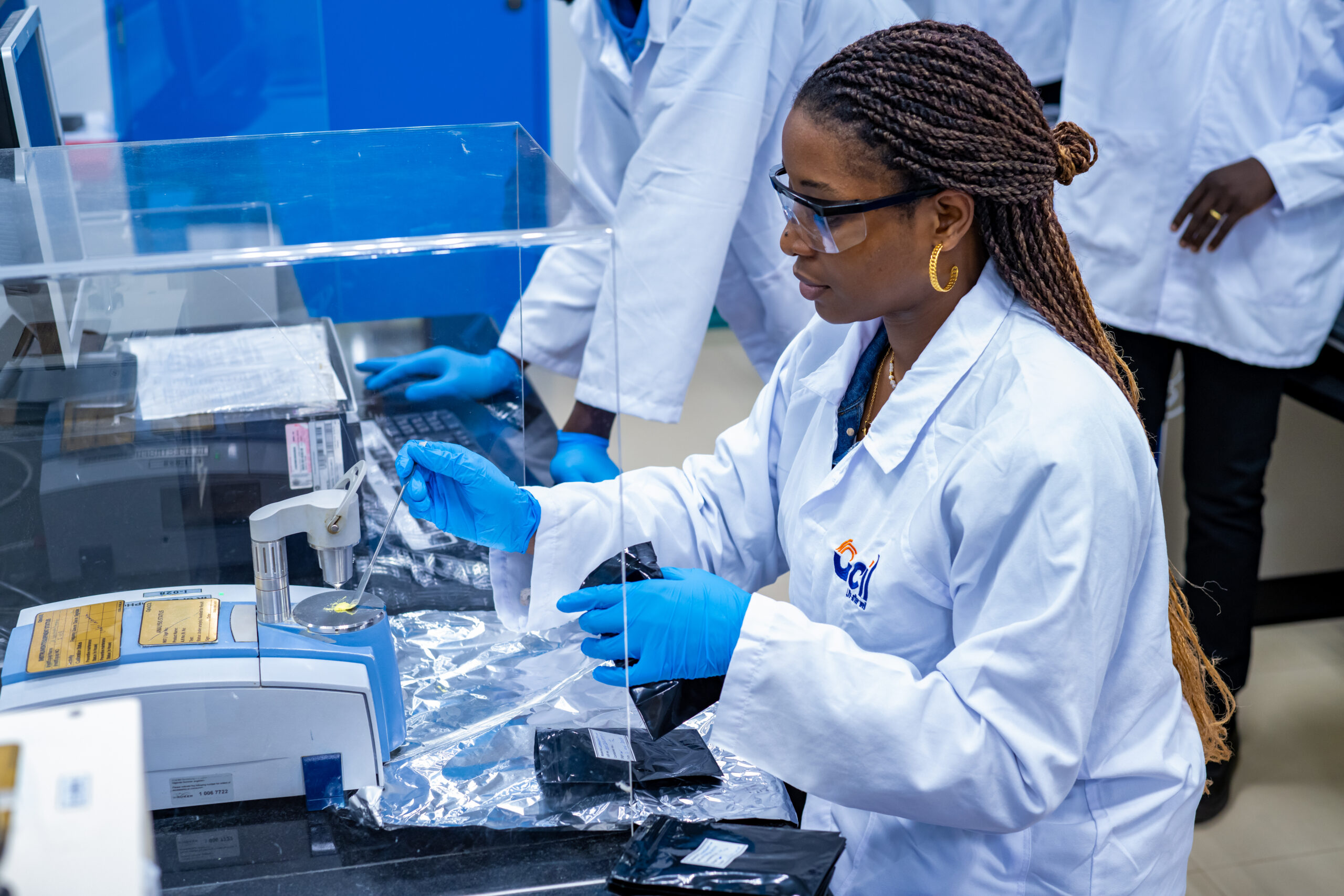
However, a quiet revolution is underway and has been in the making for the last 20 years, led by one of Africa’s own, Quality Chemical Industries Limited (Qcil), which is setting the benchmark by manufacturing to global standards locally.
As the largest WHO-prequalified pharmaceutical manufacturing facility for HIV/AIDS and malaria treatments in Sub-Saharan Africa, with products registered in 31 African countries, Qcil has a reach and reputation that few can match. It is not just producing medicine; it is affirming confidence that Africa can meet its own healthcare needs and meet them to the highest global standards.
This commitment is rooted in a simple but powerful belief: Healthcare is the foundation of an empowered Africa. When people are well, they can dream, work, and build the futures they desire and deserve. They can fully participate in the vibrant pursuit of life’s possibilities.
Innovating for the Future of African Healthcare
While Qcil’s track record is impressive, it is its forward-looking vision that truly sets it apart. The Company is actively expanding its capabilities, portfolio, and impact through bold new initiatives:
New Facility and R&D Centre: Qcil is moving beyond HIV and malaria into critical areas. The Company is expanding its annual production capacity from 1.4 billion to 2.4 billion tablets by building a second manufacturing plant. This new plant will allow it to produce specialised tuberculosis (TB) treatments, making Qcil the only manufacturer of TB treatments on the continent. The new plant will not only boost capacity for current products but also enable Qcil to enter new therapeutic areas, including injectable medications and other innovative products.
Introducing Sickle Cell Anaemia Treatment: In a milestone for Africa’s healthcare independence, Qcil is constructing a hydroxyurea treatment line and is set to commence production by December 2025. This will address the unmet need of over 410,000 sickle cell patients in Uganda. Every year, there are over 515,000 babies born with Sickle Cell Anaemia in Sub-Saharan Africa, and Qcil will be the only pharmaceutical Company on the continent to come to their rescue by producing two strengths of that treatment.
Growing Private Market Portfolio:As part of its vision to extend the reach of quality, affordable healthcare beyond public health programmes, Qcil is strategically expanding its private market portfolio. This initiative aims to make its trusted range of medicines, including antiretrovirals, antimalarials, and an expanded selection of essential treatments such as anti-infectives, antidiabetics, and antihypertensives, readily available through private hospitals, clinics, and pharmacies across the region. By leveraging its WHO-prequalified manufacturing standards, robust distribution networks, and competitive pricing, Qcil positions itself as a preferred partner for private healthcare providers.
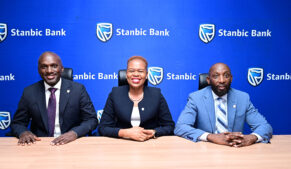 Stanbic Accelerates Uganda’s Digital Future with “Kikole Ku Speedii” Campaign
To further strengthen its presence beyond the public sector, Qcil has established a Sales and Distribution office in its second-largest market, Zambia, that will enable the Company to serve private healthcare providers more effectively, respond swiftly to market needs, and enhance patient access to life-saving medicines. This expansion not only broadens choice and convenience for patients but also reinforces healthcare resilience across Africa.
Refreshing the HIV and Malaria Portfolio: Qcil is introducing new treatment formulations for both adults and children, ensuring that its products meet the evolving needs of patients and healthcare providers.
Building Africa’s Healthcare Resilience
Qcil’s vision is supported by two unshakable pillars: resilience and sustainability. By producing life-saving medicines locally, the Company reduces dependency on imports, safeguards supply chains, and fosters economic empowerment across the continent. But resilience is nothing without trust. Qcil’s commitment to WHO compliance and other global quality standards ensures that African patients receive medicines that match and often exceed the quality of imported alternatives.
Every medication manufactured by Qcil is more than just medicine; it is a promise. A promise that Africans will have access to affordable, high-quality treatments that enable them not only to survive but also to thrive.
This is how Qcil is building not just a business, but a movement —one that envisions an Africa that treats its own, heals its own, and thrives on its own terms. As the Company continues to innovate, expand, and lead, one thing is clear: Africa’s journey from dependency to self-reliance in healthcare is no longer a dream. It’s happening right here, right now.
At Qcil, we believe that health is not merely the absence of illness but the vibrant pursuit of life’s possibilities. In Africa, we celebrate vitality and resilience, which is why, for us, it’s about thriving, not surviving. This belief drives us to be more than manufacturers of quality, affordable medications. We are enablers of Life after well.