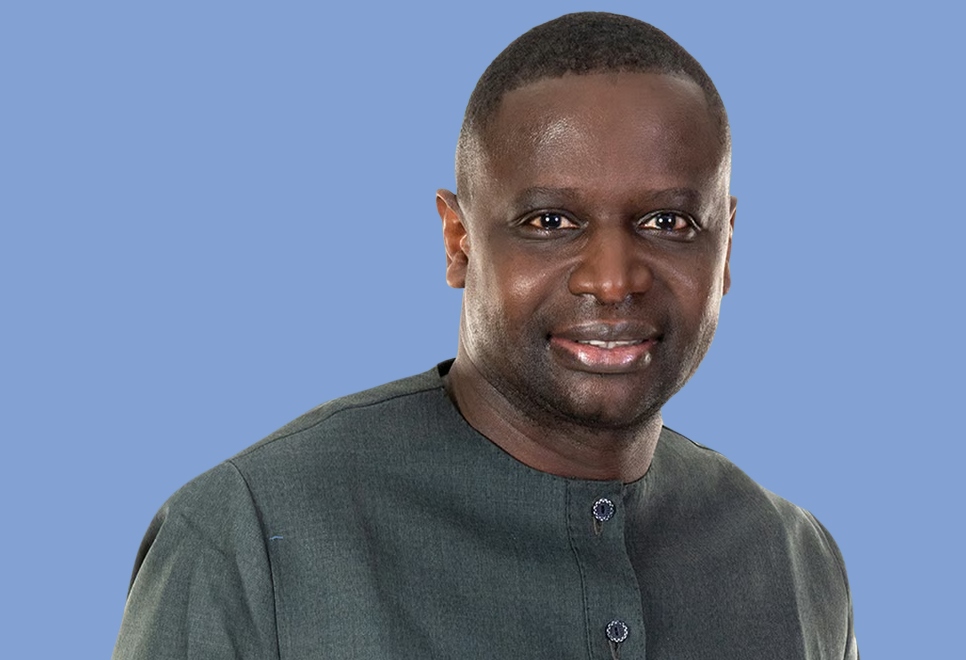
In September 2012, Paul Kirungi arrived at New York’s John F. Kennedy International Airport, with one goal in mind, to pursue the American dream. Paul had decided to leave behind a burgeoning journalism career that he had carved out at Kisementi-based Capital FM to pursue better opportunities in the USA.
“It was a leap of faith for me. “ Paul tells me. “I was excited for this new chapter in my life.” Just like any new migrant to a new place, he knew he had to find a way to survive and get his new life started. His first job was as a security guard in an upscale boutique in Beverley Hills in Los Angeles.
“I actually worked with a famous person who was a star in Real Housewives of Beverley Hills. And one day, Lisa Vanderpump, another star of the show and a successful entrepreneur who runs a host of luxury restaurants came in and I denied her entry. I didn’t know who these people were because I am not a big follower of celebrity life.”
While working, Paul let his entrepreneurial flair loose in his free time. He had full-time jobs but was still setting up businesses on the side. His first enterprise in the USA was an online radio called Ku Butaka FM. “We grew to over 3,000 daily listeners, and we were comfortably the most popular radio station in the diaspora.”
At some point, I wanted to monetize our users. “I had this database of Ugandans in the diaspora and I realized I could make money from them. By then, there was a problem of calling back home. This is like in 2015 before WhatsApp Calls and the likes of Viber. So we started selling calling cards. “
Paul went a step further. He introduced SendSente, an international money transfer service to rival Western Union and Money Gram who were the major players at that time. “The process of sending money through Western Union or Money Gram was time-consuming and expensive. Mobile money was starting to gain traction. So I used to help people in the diaspora to send money directly to the mobile money of their people in Uganda.”
But Paul’s venture was short-lived. “Sendwave came into the market. I hadn’t done a lot of marketing for SendSente, but when Sendwave came in, I decided to go big. However, Sendwave was revolutionary at that time and everyone was going crazy about them. They quickly ate up our market. Also, my card-calling business died out when Whatsapp introduced WhatsApp calls around that same time. I actually lost about $20,000 in these ventures.”
Having failed to find success with his ventures in the USA, Paul set his sights on Uganda. He started Uganda’s first dating app in 2017. He did a major launch in Uganda on Valentine’s Day, and it was an open bar. “It was a big launch, and we got so many downloads, but we didn’t have a proper way to monetize the users that we were getting. We just let it die a natural death after a year. But if we had been consistent, we would have beaten Tinder,” he says regretfully.
Paul admits those failures with his first ventures set him up for future success. ‘All the money that I lost, I refer to it as paying school fees. I have learnt lessons and I have become better at running startups. I have grown a thick skin to failure. There is nothing that scares me right now. I learnt how important it is to do market research, instead of the build it and they will come mentality.’
However, Paul found success by working in the USA. After leaving the security guard job, Paul joined Super Shuttle, an on-demand airport taxi service, as a driver. He also went back to school and studied for an 18-month Microsoft Certification, which landed him a job working with a law firm making close to $120,000 annually. He also grew to become one of the top-rated specialists in his field working as a freelancer on Upwork, charging almost $50 per hour. This used to bring in extra income to his pockets. He had achieved the American dream, and he could live comfortably in the USA.
 Nicholas Mukasa Appointed Bank of Namibia Deputy Governor
He decided to throw it all away and build his next venture, Zofi Cash. His inspiration for Zofi Cash was simple. “When I was in the USA, I could take care of my friends and family. I could give them loans and most of the time, they promised they would pay back when they get paid. In contrast, in the USA, they pay you daily or weekly. Actually, every Friday money hits your account. I wanted people to access their money anytime just like in the USA so we decided to build Zofi Cash which provides salary advances to employees on behalf of their employers on any day of the month”
I talked to my co-founder, Gordon Turibamwe to build the app. We started working on the app in late 2020. I moved back to Uganda and set up our office in March 2021, before launching in October 2021. “I love Uganda. I knew I would come back permanently. There are a lot of opportunities here. And some founders have been able to turn startups into solid companies like SafeBoda, Tugende and Rocket Health. I wanted to do the same with Zofi Cash.”
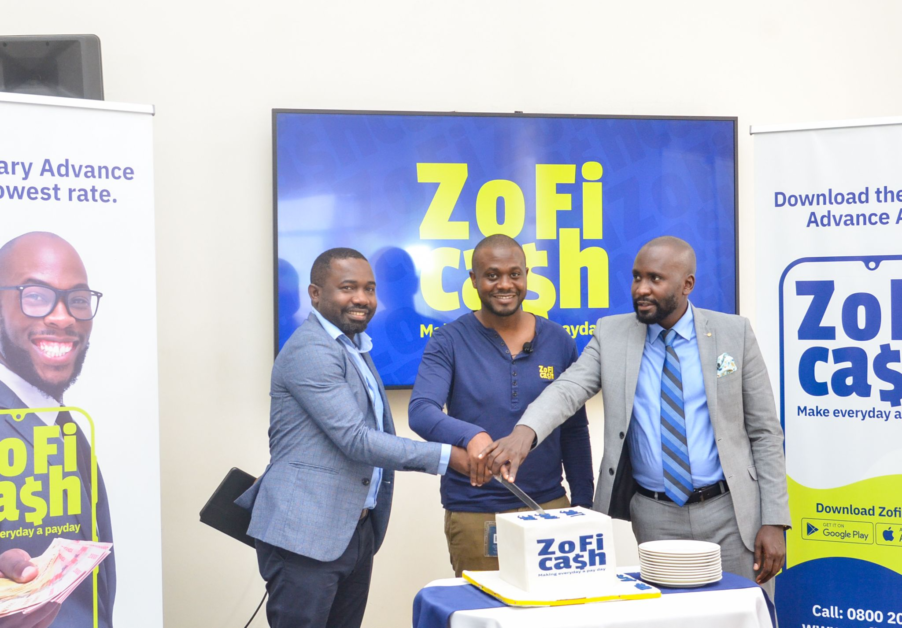
Starting such a business is cash-heavy, so Paul poured all his savings into the company and raised some money from his friends who believed in the idea.
“All the lessons that I had learnt from my former ventures were used in building Zofi Cash. I knew that I had to build differently this time around. I had to make sure that there was a market and the market was willing to pay for it. This is why we pivoted from building a marketplace for money lenders and built a salary advance platform instead.”
Paul also recognizes how important accelerator programs are. They got into a pre-boot camp called Startup Roadtrip Africa which recommended them to the Startup Wise Guys (SWG) accelerator program based in Vienna, Austria. “SWG is the best thing that happened to us. It was our biggest game-changer. They took me from just being a founder who has fantasies to a founder who had to build a business. It prepared us for so many things including investor readiness.”
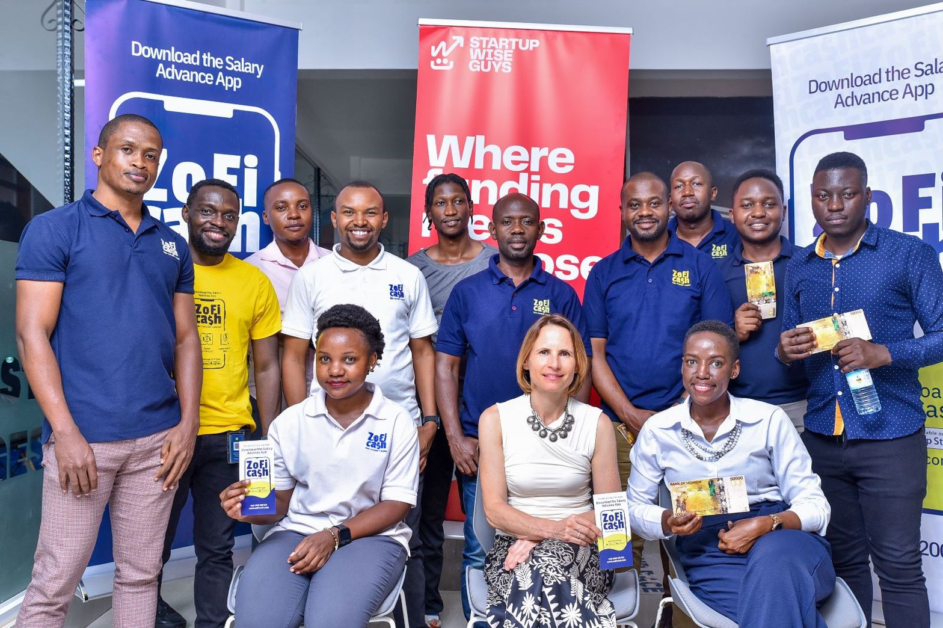
Paul has raised about $110,000 for his startup including, $65,000 from SWG. He has onboarded about 1500 employees so far, but they have about 20,000 employees that have signed up from the 500 employers on their platform. Paul is looking to raise more money to meet the demand. Zofi Cash has dished out about $300,000 in under a year in operations and they are expecting to blow these metrics out of the window in their second year.
One thing that Paul says has made Zofi Cash stand out in the market so far is being intentional about the things that matter. “When building Zofi Cash, we decided that we will provide the best services. Whatever a 50-year-old commercial bank can give a client, Zofi Cash should be able to do the same. We didn’t push out our app until it was ready. We have never pushed an update since we launched. We have 24/7 customer service, better than what banks provide.”
Paul hopes to build Africa’s salaried employees’ centred neobank to cater for all their financial needs. “It is just salary advances, but we can provide much more. We are thinking of employee benefits, payroll, budgeting etc. There is a lot we can do.” he says as we end our conversation.