Housing Finance Bank, one of the few public financial institutions that has been growing and performing and competing well on the unpredictable market, needs blood. The government worries that with blood transfusion, the stellar performance could be a thing of the past and the bank would go limp.
But here is the irony. The national blood bank is limping. Dry. And if the figurative blood were real, you can see why Housing Finance Bank can’t get any units of blood to recharge its arteries and pump its heart to serve the nation.
And like doctors are grappling with the issue of blood shortage in the national blood bank, the financial bank that is Housing Finance Bank cannot get the Shs61 billion it needs to continue with effective service. At least not for now.
Plans for the Shs61 billion recapitalisation of Housing Finance Bank remain in jeopardy after legislators on the parliamentary Committee of Finance failed to reach a decision on the request from Government.
It should be recalled that the motion for a resolution of Parliament to authorize government to increase the share capital of Housing Finance Bank (U) Limited (capitalisation) was presented before Parliament on 24th May 2017.
The motion was subsequently forwarded to the Parliament Committee of Finance, Planning and Economic Development on July 26, 2017 in accordance with Rule 177 of the Rules of Procedure of Parliament.
The government, through the Ministry of Finance, Planning and Economic Development, owns 49.18% shares in Housing Finance, while National Social Security Fund (NSSF) has 50% shares and National Housing and Construction Company 0.82%.
Information tabled before government indicates that Housing Finance’s share capital is currently constituted of 6,100,000 fully paid up shares of Shs10,000 each and the bank’s asset base needs to be increased by Shs60 billion to about Shs680 billion, to enable the financial institution expand mortgages in line with government policy, and to deal with other capital requirements of the bank.
It was also revealed that NSSF has already paid up 50% (about Shs30 billion) of the total required capitalisation, with government required to meet the remaining Shs30 bi11ion, capitalisation obligation of Shs60 billion.
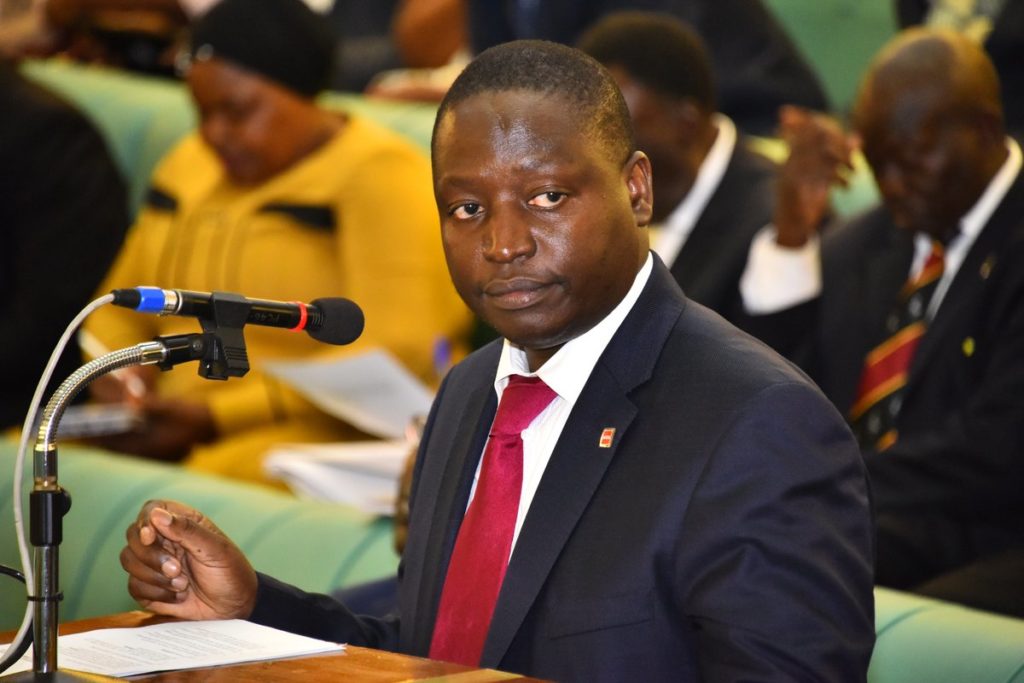
In the first meeting with the legislators, Minister David Bahati highlighted a number of objectives for the proposed capitalisation of the bank arguing that the move was aimed at extending mortgages to the general public at lower interest rate compared to other commercial banks.
Still on the grounds of mortgages, Bahati revealed that increasing the capital base of Housing Finance Bank would help in extending mortgages at affordable interest rates.
 Beyond a School Competition: How the Stanbic National Schools Championship is Shaping Uganda’s Economic Future
Additionally, the recapitalisation, according to government, would provide long term capital to the bank which is more suitable at affordable for mortgage lending because a large portion of the bank’s mortgages are being financed by Bank deposits which are short term and therefore not appropriate for this kind of investment.
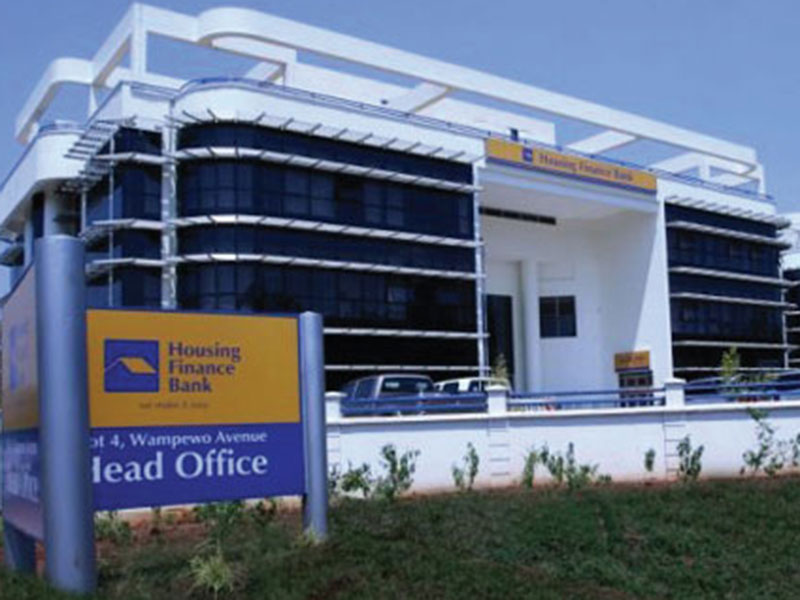
Recapitalisation of Housing Finance would go a long way in expanding mortgage and increasing resilience of the Bank given the fact that the real estate sector has suffered an economic downturn which has impaired the balance sheet of the bank.
Bahati also told the committee that the money required for Housing Finance recapitalisation was meant to meet the new capital requirements by the Central Bank that required commercial banks in the country to raise their share capital.
However, Justine Bagyenda, the executive director in charge of supervision at Bank of Uganda, in a media interview in 2017, revealed that the central bank hasn’t put in place new capital requirements, but rather Housing Finance’s reasons to seek for capitalisation were strictly business.
Bagyenda argued that the issue of Housing Finance Bank seeking Shs60 billion capitalisation wasn’t properly articulated before Parliament because the Central Bank’s minimum capital requirement for commercial banks still stands at Shs25 billion.
“Previously, Housing Finance Bank was a mortgage based bank. The bank has since diversified [into other products]. The capitalisation is therefore to help the bank keep pace with the industry and be competitive,