
By Our Reporter
While considerable global attention is on increasing availability and access to antiretroviral therapy (ART) for people living with HIV/AIDS (PLHIV), these efforts are impeded by opportunistic infections. These can be prevented through simple healthy practices like consumption of clean water, sleeping under an insecticide treated mosquito net (ITN) and practicing safe sex.
The Ministry of Health in partnership with Program for Accessible Health, Communication and Education (PACE) and the US Centers for Disease Control and Prevention (CDC) implemented a ten-year Positive Living Project (PLP). The project has proven that adoption of such positive lifestyles can greatly reduce opportunistic infections, delay HIV disease progression and improve quality of life among PLHIV.
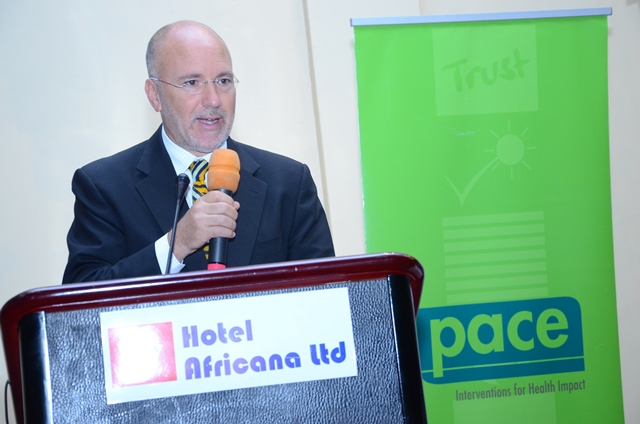
PACE today held a national PLP impact dissemination and close out meeting for the project that ends this month, at Hotel Africana in Kampala to share best practices and lessons learned. This follows an independent end of project evaluation by Makerere University School of Public Health.
“Our aim was to reduce opportunistic diseases like malaria, diarrhea, pneumonia and partner re-infection which take advantage of the compromised immunity of HIV-infected individuals. Findings from the end of project evaluation report show a significantly low incidence of these diseases among individuals that used the BCP kit along with their ART compared to those who used ART only, or the BCP only, especially in the first six months of treatment. Further still, the incidence of the diseases dropped significantly in the same period among clients with the BCP only, compared to clients that did not have the BCP at all
