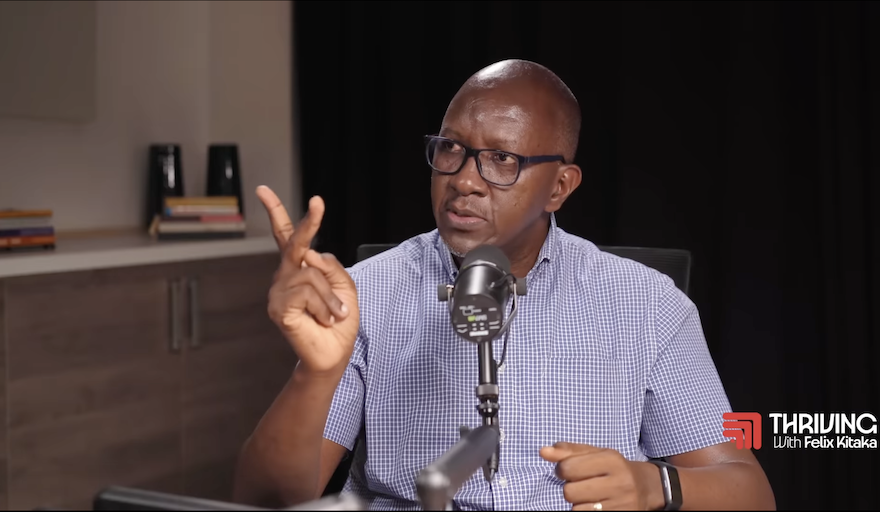
Grace Munyirwa never set out to be a pharmacist. His journey into the pharmaceutical industry was purely by chance. With a background in chemistry, his original dream was to become a university professor. However, a fateful job advertisement in a newspaper changed his trajectory forever. SmithKline Beecham (now GSK) was looking for a medical representative in Uganda. Munyirwa applied, got the job, and soon found himself immersed in the pharmaceutical industry.
While working at GSK, he quickly noticed where the real money was—on the other side of the pharmacy counter. This realisation led him to gather a few friends and establish his first pharmacy in Wandegeya, called Allianz. However, differing expectations among the partners soon created friction. Eventually, Munyirwa sold his stake and ventured out on his own and his father, to establish Vine Pharmaceuticals, a business that would later teach him invaluable lessons about expansion, private equity, and the challenges of institutional funding.
Growth and the Search for Expansion Capital
Vine Pharmaceuticals quickly grew, but growth often demands capital. Munyirwa started with smaller financing arrangements, such as a USD 20,000 loan to purchase software. That was manageable—he paid it off within six months. However, his first major encounter with private equity came in 2012, when Africa Health Fund invested USD 1 million into Vine Pharmaceuticals.
At the time, the exchange rate was UGX 2,450 per USD 1. By the time repayment was due, the rate had surged to UGX 3,715 and this would be his first of many lessons. This significant currency fluctuation exposed one of the harsh realities of private equity financing—forex risk. “If you received USD 1 million in 2012 and repaid it in 2017, even interest-free, you would find yourself in a difficult position,” Munyirwa noted.
Moreover, Munyirwa and his team lacked the infrastructure and expertise to absorb the funds effectively. Instead of consolidating in Kampala and Wakiso, where demand was high, they expanded, at the behest of the investor, rapidly into districts where the market was untested. “With new investors, you are usually obliged to move to new areas, new towns,” he recalls. “You find yourself allocating funds as CAPEX for an area that will take time to yield a return—one that may never even break even.”
From Expansion to Collapse: How Abraaj’s Fall Shook Vine Pharmaceuticals
When Africa Health Fund was acquired by Abraaj Capital, a larger private equity (PE) firm, the game changed dramatically for Ugandan entrepreneur Grace Munyirwa and his company, Vine Pharmaceuticals. What began as a manageable investment quickly turned into an overambitious expansion plan—one that would ultimately leave Munyirwa entangled in legal and financial turmoil.
“They called us to Nairobi, telling us to dream big and that we would be limited only by our own imaginations,” Munyirwa recalls. Abraaj had raised an oversubscribed USD 1.2 billion fund and was aggressively looking for businesses that could absorb large sums of capital. Vine Pharmaceuticals was encouraged to expand beyond Uganda, thinking about vertical integration, wholesale, manufacturing, and even acquiring hospitals.
“We were wondering—should we acquire a manufacturing firm in Kenya? A distributor in Rwanda? There was even a set of hospitals we were considering. The dream was grand,” Munyirwa says. Convinced that major funding was on the way, he took on more inventory, opened new stores, and engaged top suppliers.
As Abraaj prepared to disburse big money, it disbursed an additional USD 250,000, and Munyirwa, believing more money would follow, pressed forward with expansion. “At that point, I asked for more funds because I needed to enhance the places and open more stores. But the money wasn’t forthcoming. They said, ‘Wait, the money is coming. We’ll talk to our partners, and the money will arrive. But continue with your plan.’”
He continued. And then the reality hit.
By the time he realised the funding was never coming, Vine Pharmaceuticals was overextended, struggling to meet financial obligations. Stores that had been opened in anticipation of capital had to be shut down. Lawsuits from suppliers piled up.
“I came back and closed a couple of shops. Then I got sued left, right, and centre because I had breached a couple of contracts with suppliers. But I told my team, ‘Don’t worry. This is just another phase; this too shall pass.’ But it didn’t pass.”
Then, reports began emerging about Abraaj’s troubles. The firm, once celebrated for its role in driving investments across emerging markets, was under forensic audit. The founder, Arif Naqvi, was accused of mismanaging investor funds. Abraaj collapsed, and Munyirwa was left stranded.
“By the time I realised I was actually alone, it was when I saw some friends send me articles in the news,” he says. “At first, I didn’t believe it. But then I saw reports saying they were looking for the Abraaj CEO. Eventually, they said they found him. That’s when I knew—there was no money coming.”
Munyirwa tried to salvage the situation. Another private equity firm was interested in investing in Vine Pharmaceuticals. But legally, he was still tied to Abraaj. “I had a suitable suitor, but there was no one to take off the other ring. I had no one to serve the divorce papers,” he quips.
He remained in limbo until, one day, an email arrived. A UK-based firm had been appointed as a receiver for Abraaj’s assets. Eventually, MPharma stepped in to acquire Vine Pharmaceuticals, but the deal came at a cost.
“Of course, if you are under receivership, you take a haircut,” Munyirwa explains. “It’s not quite what you are worth.”
Looking back, he describes the experience as a brutal lesson in private equity. “I believe PE firms are a good thing, but they require maturity. Many people don’t fully understand what they are getting into. They think it’s time to get a good office, expand, buy new cars, or build a house. But in reality, you have to return the capital some day.”
Munyirwa now advises entrepreneurs to be more cautious when taking on private equity investments. “I would have a board—at least three knowledgeable, trustworthy people—to guide me. I would negotiate exit terms upfront. And I would insist on receiving the money in tranches, not all at once.”
The Reality of Private Equity and Venture Capital
One of the biggest lessons Munyirwa learned was that many PE funds assume that businesses are more structured and mature than they actually are. On the other hand, many founders often have no idea what they are getting into. PE firms typically expect that the investee company has already overcome initial obstacles and that their investment will be used for growth acceleration, not for filling operational gaps.
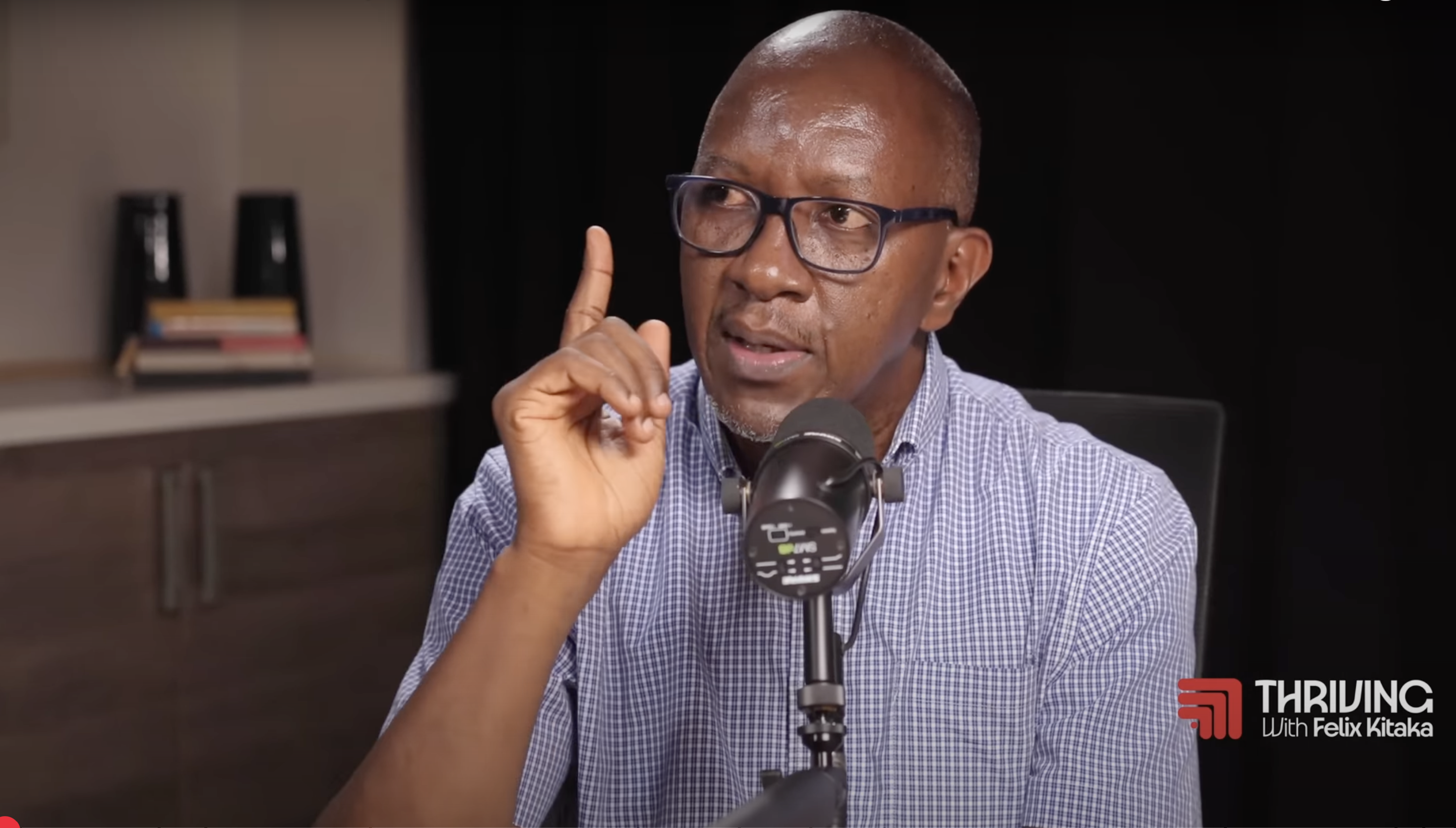
“I realised that absorption is very important. You may think you have a problem, and when they say to break down your problems, you actually realise that you cannot take more than USD 5,000. It’s only that 5k repeated in your head throughout the month; it becomes USD150,000,” he quips.
Furthermore, many investors apply standardised models that don’t always align with local market realities. “They look at a map of Uganda and assume that a pharmacy in a rural district will perform as well as one in Kampala. Yet, about 70% of Uganda’s spending power is concentrated in the capital,” Munyirwa explained. “A pharmacy in, say, Ntungamo will struggle. A grandmother there, in need of medicine, may call her son in Najjera, who then travels to Friecca or Vine in Ntinda to purchase the medicine and send it back on a bus to Ntungamo.”
Grace Munyirwa’s Major Takeaways on Dealing with Private Equity (PE) Funds
Grace Munyirwa’s experience with PE funds was filled with hard-earned lessons, revealing both the opportunities and risks that come with institutional financing. Here are his key takeaways, supported by his own reflections and real-life experiences.
Understand What You’re Getting Into: Many entrepreneurs approach PE funding without a full grasp of what it entails. Munyirwa cautions that founders must educate themselves before signing agreements. PE firms bring more than just capital; they introduce new governance structures, performance expectations, and exit strategies that can fundamentally change how a business operates.
“Many founders enter deals blindly, only to regret them later.”
He emphasises the need for legal and financial due diligence. He recommends hiring financial advisors or seeking mentorship from business leaders who have previously worked with PE firms. Founders should ask critical questions: What is the investor’s long-term goal? What are the expected returns? What happens if things don’t go as planned?
Ensure Your Business is Ready to Absorb Large Investments: Munyirwa learned the hard way that receiving large sums of money without the capacity to absorb them properly can be disastrous. He expanded Vine Pharmaceuticals too quickly, stretching operations into untested markets, which led to inefficiencies and financial strain.
 Stanbic Bank CEO Mumba Kalifungwa Delivers UGX 591 billion Profit in First Year
Businesses should assess their ability to utilize funds effectively before accepting large capital injections. Instead of taking a lump sum, it is often wiser to receive funds in tranches. This phased approach allows businesses to adjust their expansion strategies based on performance and market response.
Negotiate Exit Terms Early: Many founders do not fully consider the implications of an investor’s exit strategy. Munyirwa stresses that negotiating exit terms at the beginning is crucial to avoid financial and strategic pitfalls. One of his major setbacks was failing to factor in currency fluctuations, which significantly increased repayment obligations.
“UGX versus USD remains a huge risk. You don’t know how things will go, so negotiate for better exit terms from day one,” he says adding: “UGX versus USD remains a huge risk. You don’t know how things will go. Last year, the USD almost reached UGX 4,000. It hovered around UGX 3,900. That can take you back. While I want to be fair to the investor, I would perhaps negotiate—typically, they will give you a million dollars, then expect, say, 2.5x at exit. Knowing that, I would negotiate you down to maybe 1.7x to 1.8x, so I leave the 0.7 for fluctuations.”
He recommends founders work out a repayment structure that factors in currency fluctuations and business performance. Investors typically expect a 2.5x return on their investment, but this should be negotiated down to a more realistic figure to cushion against unforeseen financial risks.
Invest in Strong Governance and Advisory Support: One of the biggest gaps he identified in businesses seeking PE funds is the lack of governance. Many investee companies operate without functional boards, making them vulnerable to financial mismanagement and poor decision-making.
“If I were to do it again, I would have a proper board—three knowledgeable, trustworthy people—to guide investment decisions.”
Having experienced advisors ensures accountability and prevents reckless spending. PE firms expect professional management, structured decision-making, and financial transparency. Without a solid governance structure, founders may find themselves overwhelmed by investor demands.
Be Aware of Hidden Costs and Investor Expectations: PE funding often comes with additional costs that many founders do not anticipate. These include finders’ fees, consultancy charges, and legal costs that can significantly reduce the actual funds received.
“The money you think you’re getting is never the actual money you receive. Finders’ fees, consultancy fees—it all adds up.”
Munyirwa also warns that investors have performance expectations that may not always align with the business’s realities. Founders must be prepared to manage these expectations and push back when necessary to protect their company’s interests.
Do Not Expand Simply Because Money is Available: One of Munyirwa’s biggest mistakes was expanding too quickly based on the availability of investment capital rather than actual market demand. This led to store closures and financial losses.
“With most of these investors, you are obliged to expand immediately into far-flung towns, where there is simply no sufficient demand,” he warns.
He advises founders to focus on strengthening their core markets before considering geographical expansion. Expanding prematurely can lead to inefficiencies, increased operational costs, and difficulty in managing multiple locations effectively.
Accept That Control Will Shift: One of the toughest realities of taking PE funding is losing a degree of control over the business. Investors bring in their own management teams, introduce new reporting structures, and sometimes override the founder’s decisions.
“When a man gives you his $1 million, there’s a tune he’s going to play, and you are going to dance to it,” he advises.
Founders must be mentally prepared for investor influence in decision-making. It is important to define the scope of investor involvement early on and establish clear boundaries to ensure alignment between the founder’s vision and investor expectations.
Not All Growth is Worth It: Munyirwa reflects that sometimes, staying small and independent is a better path than chasing large-scale expansion fueled by external funding. His experience with Vine Pharmaceuticals taught him that growth must be sustainable and strategically planned.
“Looking back, I sometimes tell myself that if I hadn’t taken on any debt whatsoever—whether from a bank or private equity—I might be happier. I might be smaller but happier. Instead of having 20+ branches, maybe I would have 3 or 6 and driving my second-hand SUV and taking my children to school without stress,” he mulls.
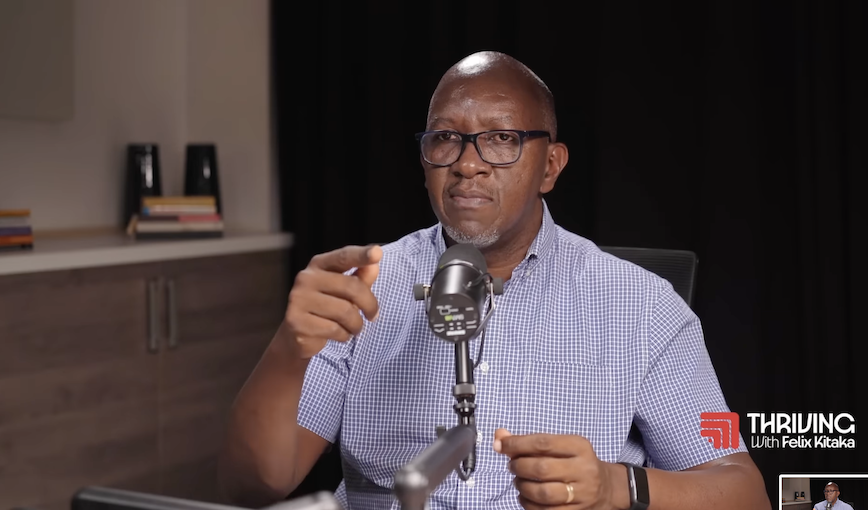
He suggests that entrepreneurs consider alternative growth strategies that do not require giving up control or taking on financial stress. Sometimes, gradual organic growth is more beneficial than aggressive expansion funded by external capital.
Manage Investor Relations Carefully: Handling relationships with PE firms requires professionalism, diplomacy, and strategic positioning. Munyirwa learned that within every investor organisation, some individuals may be more supportive than others. Founders should navigate internal politics carefully to secure advocates within the firm.
“You need to navigate the politics of the investor organisation carefully. Some individuals may support you, others may not, but your ability to adapt and manage relationships can determine your survival. Being proactive, maintaining clear communication, and managing expectations can help you maintain a productive partnership with investors. Within every investor firm, there are different stakeholders with varying priorities. Some may genuinely believe in your vision, while others are purely focused on financial returns. Understanding their motivations and aligning your goals accordingly is crucial. Sometimes, it’s about finding allies within the investor group—people who will advocate for your interests when tough decisions arise. If you don’t cultivate these relationships, you risk being sidelined in crucial discussions. The ability to read the room, recognise underlying tensions, and address concerns before they escalate can make all the difference in maintaining stability and growth in your business,” her advises.
The Psychological Toll of Private Equity Investments and Patting Shots
Beyond financial lessons, Munyirwa highlighted the mental and emotional toll of dealing with private equity firms. Founders often struggle with the loss of autonomy and the pressure to meet investor expectations. This can create immense stress, leading to burnout and strained relationships within the company.
Munyirwa’s unequivocal about the beautiful side of dealing with PE/VC funds and other institutional investors: “There is nowhere in Uganda where you can obtain a million dollars without collateral. Let’s remember that. No bank will lend you USD 1 million without collateral. You will be mortgaged to the hilt. These lenders will allow you to use your house, your car, etc. Sometimes, you have to weigh the deductions of up to 5% in fees and compare them with what else is available in the market, most of which requires collateral, then you will definitely choose PE. Even with some of the drawbacks, PE can be a better alternative, especially when you have a strong business case and the right governance structures in place.”
But he emphasises the need for founders to familiarise themselves on the ins and outs of the PE world.
“Many founders enter deals blindly, only to regret them later. Before you sign that dotted line, there are many freelancers, even in India or Boston, who can advise you for about $300. Therefore, the ignorance lies on your part.”
He also stresses the importance of long-term planning. “Receiving investment should not mean sudden expansion or lifestyle inflation. Many founders make the mistake of moving into lavish offices or purchasing new vehicles instead of focusing on sustainable growth.”
Ultimately, private equity and venture capital can be powerful tools for scaling a business, but only if approached with careful planning, realistic expectations, and strong financial discipline. Munyirwa’s journey serves as both a cautionary tale and a guide for those looking to navigate the often-turbulent waters of institutional funding.
His final advice? “Be prepared. Understand the risks. And most importantly, never let the allure of big money cloud your financial prudence.”