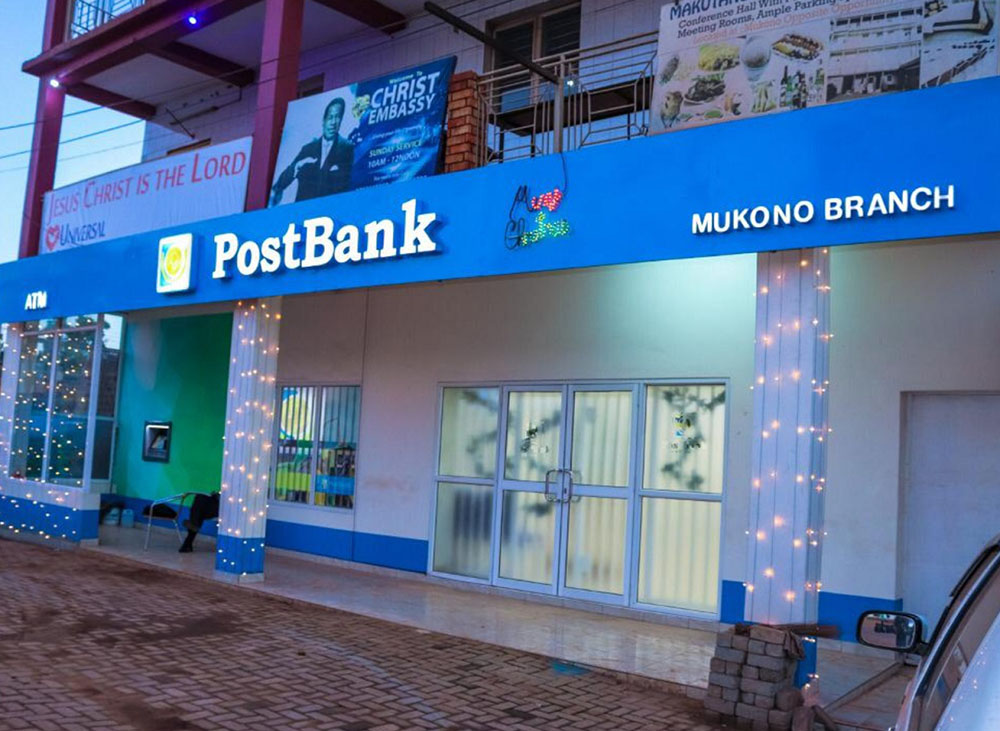
PostBank Uganda Ltd has been selected by the Government of Uganda, to manage the bulk distribution of the UGX53 billion, that the government is distributing to its vulnerable citizens, affected by the Covid-19 pandemic, CEO East Africa can exclusively reveal.
“The cash transfer shall reach 501,107 households which is 38% of the households in Kampala Metropolitan Area, all cities and municipalities,” according to Betty Amongi, the Gender Labour and Social Development minister.
The Ministry of Gender Labour and Social Development is in charge of developing and populating the list of vulnerable persons while PostBank is to make bulk payments to the intended recipients via Airtel Money and MTN Mobile Money.
The total amount to be distributed is UGX 53 billion and each beneficiary recipient will get UGX102,400.
According to information from PostBank, individuals whose National Identification Numbers (NINs) don’t correspond with those attached to their mobile money accounts, shall access the funds through PostBank’s 14 mobile banking vans.
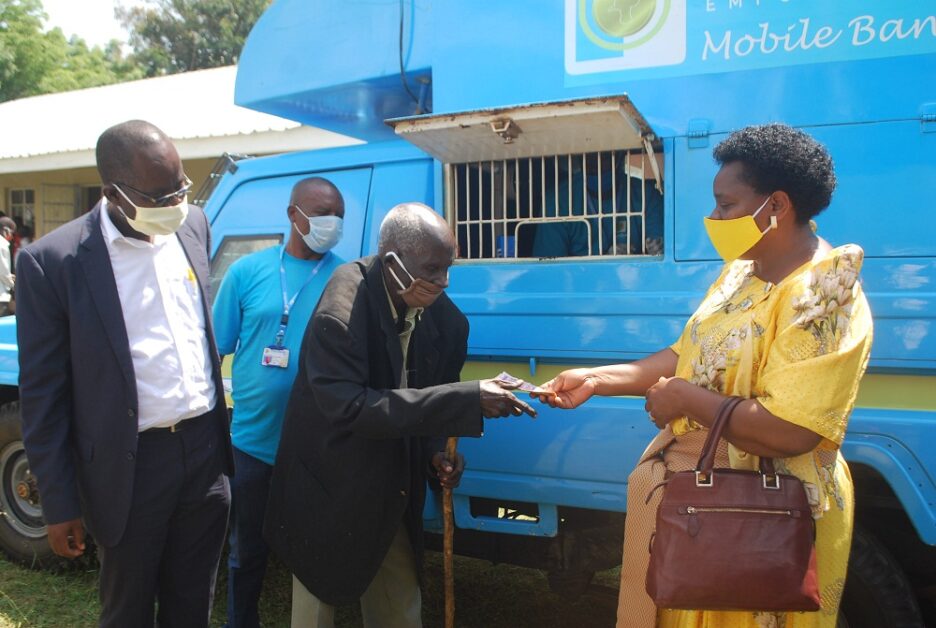
Unlike in the last lockdown when the government distributed physical relief items, mainly food, this time around, the Government of Uganda, through the Office of the Prime Minister will use mobile money to deliver cash to vulnerable people affected by the lockdown.
The beneficiaries of the GOU COVID relief funds include barmen, DJs, barmaids, waiters, waitresses and bouncers, gym and restaurant workers, food vendors in tax, bus parks and arcades, musicians, comedians, producers, car washers, slum dwellers, street vendors, shoe shiners, promoters, salon and massage parlour employees, teachers and support staff in both government and private schools, orphans and vulnerable children.
 Stanbic, Absa and Centenary Control Nearly Half of Uganda’s Bancassurance Market as Premiums Top UGX 302 Billion
The decision by the government to entrust Post Bank with this sensitive and delicate project reflects growing confidence in the financial institution that has undergone restructuring under the leadership of Julius Kakeeto, its new Managing Director since October 2019. It is also a test of the bank’s bold digital agenda that seeks to transform its customer experience.
The bank, which has largely been regarded as a sleeping giant, has 48 branches across the country, which are complemented by 14 mobile banking vans and 58 ATMs, serving almost 1 million customers, of whom 57,000 are active borrowers. 9,400 of these borrowers are in the agriculture sector, making the bank the largest lender (by a number of borrowers) to agriculture.
In a recent interview with CEO East Africa Magazine, Kakeeto said that the bank is working towards reinventing itself into a “tier 1 fully-fledged digital commercial bank at the heart of the country’s economic growth by economically transforming the lives of millions of Ugandans and businesses, in partnership with government.”
The bank in 2020, crossed the UGX500 billion assets rubicon, reaching UGX675 billion— a 38% increase, from the UGX490.6 billion registered in 2019. At UGX675 billion, PostBank, although a tier-one institution is already larger than nearly half of all tier-one commercial banks in Uganda.
The bank posted a 20.2% rise in profits from UGX8.4 billion in 2019 to UGX10.1 billion on the back of a 25% increase in lending- from UGX 267.1 billion to UGX335 billion and a healthy growth in deposits—by 29% from UGX347.6 billion to UGX449 billion.