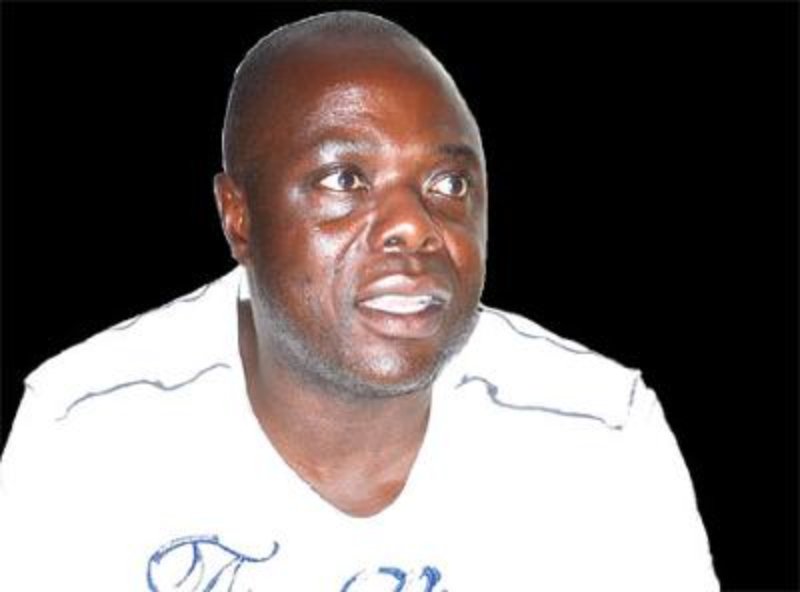
When billionaire businessman John Ssebalamu acquired twenty parcels of land in Rubaga, Kampala, his vision was to build a state-of-the-art shopping mall that would transform the city’s retail landscape.
The foundations were laid, designs approved, and tenants were being courted.
But in 2015, the project was suddenly brought to a standstill when the Uganda Railway Corporation issued a caveat emptor notice, accusing Ssebalamu of fraudulent acquisition.
Shortly after, the Government gazetted the land for the Standard Gauge Railway project.
The intervention not only froze construction but also cut off investor and tenant interest, dealing a heavy blow to one of Uganda’s most ambitious private real estate ventures.
In 2021, Ssebalamu, together with his companies Freedom Mart Ltd and Grapes Ltd, dragged the Government to court. They argued that the state had effectively undertaken a compulsory acquisition without compensation.
Their claim was staggering: more than UGX 7.7 billion to cover the market value of the land, projected rental income from the abandoned mall, mesne profits, and damages.
The case, which became one of the most high-profile land disputes in recent memory, tested the balance between state infrastructure ambitions and private property rights.
This past week, the High Court handed down its verdict. Justice Aisha Batala ruled that Sebalamu and his companies are the lawful proprietors of the land.
She noted that while the Government had issued caveats and gazetted the land, it never completed the compulsory acquisition process required by the Constitution and the Land Acquisition Act.
 Stanbic Uganda Shareholders to Receive UGX 360bn After 10 Years of Rapid Dividend Growth
The caveats were later withdrawn, and Sebalamu remained in possession of the land. In the judge’s view, the Government had effectively abandoned the acquisition and could not lawfully dispossess him.
Although Ssebalamu triumphed on ownership, his financial claims did not fare as well.
The court dismissed the bulk of the UGX 7.7 billion claim, finding that the plaintiffs had not provided sufficient documentary proof of the alleged business losses and projected income.
Still, the judge recognised that the Government’s actions had unlawfully interfered with Sebalamu’s enjoyment and development of his property.
To that end, the court awarded him UGX 500 million in general damages and UGX 50 million in punitive damages, with interest accruing at 10 percent per annum, alongside costs of the suit.
A permanent injunction was also issued, restraining the Government and its agents from any further interference with the land.
The ruling, though granting a fraction of the damages sought, has significant implications for Uganda’s business and investment environment.
It reinforces the sanctity of land ownership, making clear that the state cannot encroach on private property without following due process and providing prompt compensation.
For investors like Ssebalamu, the decision is a vindication, even if it falls short of the billions claimed. For Government, the case is a cautionary tale: stalled or incomplete acquisitions not only disrupt private ventures but also expose the state to liability.