Congratulations upon making 20 years. What would you say are the key highlights, achievements and or milestones, for ERA and generally the Electricity Supply Industry (ESI) in these 20 years?
ERA’s achievements can best be understood within the context of our mandate and vision. Our Vision is to be a recognized regulator in the promotion of sustainable electricity supply for socio-economic transformation.
This, in brief means, having sufficient, affordable, quality, and reliable generation, transmission and distribution of electricity to Ugandan entities- household, businesses, institutions etc., wherever they are, that meets current and future demand. It also means ensuring that all Ugandans have universal access to electricity at an affordable price. Affordability means that we must ensure a credible tariff regime that is cost-reflective to sustainably attract investment in all the three segments; but also offer a reasonably priced service for the millions of Electricity Consumers.
That said, in the last 20 years, the Electricity Supply Industry has registered various achievements. Perhaps most important of all is the fact that 20-years ago, this was a capacity-constrained sub-Sector but today, we have more than enough capacity.
To date, ERA has issued over 67 Licenses for Generation, Transmission and Distribution of Electricity. Most of the licensed projects are complete and operational while others are still in the development stage.
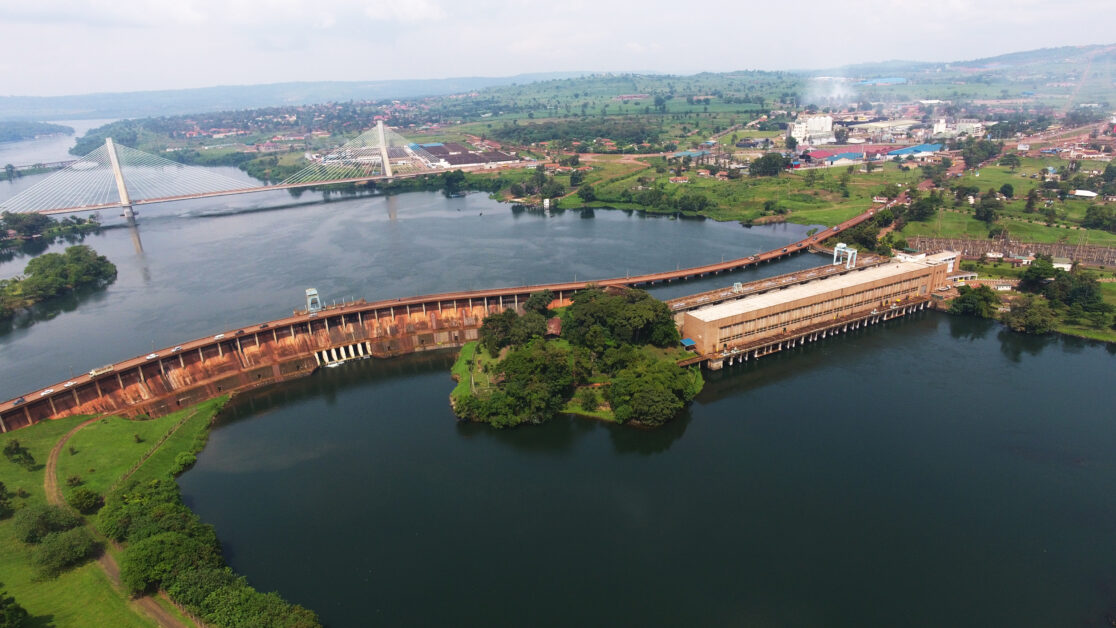
In generation, from 2000 to date, we have grown our generation capacity by more than 13 times, from three (3) generation plants to 41 generation plants at the moment. The total installed generation capacity has grown from 404.4 MW in 2000 to 1268.9 MW as of October 2020. By mid-2021, this is expected to rise to 1868.9 MW.
Worth noting is a diversified generation mix consisting of four (4) different sources, namely: Hydro (1,023.59 MW), Thermal (100 MW), Cogeneration (63.9 MW) and grid-connected solar (60.8 MW). This is a departure from the over reliance on Hydropower as was the case 20 years ago. There are also prospects of power generation from Wind and Associated Excess Gas.
To evacuate the power generated, a total of 2,493 Km of transmission lines have been added since the reforms, bringing the total grid length to 3,223 Km. The number of electricity distribution companies now stands at nine (9), taking power to 1,643,288 legally connected customers, up from approximately 405,459 customers in 2001. As a result, access has grown from a perennial 12%-15% to 51% in the same period, according to the most recent access statistics released by the Uganda Bureau of Statistics (UBOS).

Increased access has partly been driven by the various initiatives being implemented by the Government such as the Electricity Connections Policy (ECP), the Energy Rebate Framework, and stringent targets on Customer Connections set by the Authority for the Distribution Utilities. Because of a conducive regulatory environment created by ERA, remarkable efficiency in the distribution ecosystem has been realized, reducing energy losses from 35.4% at liberalization to 16% in 2020.
Regarding affordability, it must be noted that currently, Uganda has an extremely competitive off-peak Industrial Tariff at 168/= per kWh, which makes us a cost-effective manufacturing hub in the region.
Over and above improved reliability, affordability, and accessibility of energy for the customer, we have also been able to move the industry from a loss-making to a vibrant one with several financially viable Private Players.
You have particularly been in office for almost 4 years since November 2016. What would you say are some of the major achievements made in these last 4 years that you are proud of?
My achievements as CEO are largely fused in the larger achievements of ERA and the Electricity Supply Industry as enumerated above, especially since I started working at ERA in 2012 as Director Technical Regulation, but also because our work is executed in 5 year strategies.
My work in the last 4 years has rotated around ensuring adequate power supply as well as improving the investment and regulatory climate to make it more transparent and predictable to our stakeholders. This is why in 2018 we established the Uniform System of Accounts. We also continue to promote transparency in the ESI by ensuring continued stakeholder participation, for example in the setting of fair and reasonable tariffs.
ERA has also continued to effectively monitor the performance of licensees with regards to the terms and conditions of their licenses, established regulations and standards of service such as the grid code and quality of service regulations and standards.
Perhaps one of the major highlights in these four years, is the fact that in 2016, Uganda commissioned its first grid-connected Solar Photovoltaic Plant of 10 MW and today, Uganda prides in 60.8 MW from Five (5) grid-connected solar energy plants.
ERA’s role in promoting a sustainable investment and regulatory climate has led to Uganda being thrice recognized as having the Best Electricity Regulatory Framework on the continent by the African Development Bank (AfDB) in their Electricity Regulatory Index Report – in 2018, 2019 and most recently in November 2020.
While on one hand, Uganda now boasts of surplus power supply, there are counterarguments that this is contributing to a higher consumer tariff. Why do consumers have to be made to pay for the power they are not consuming?
This is a question of chicken and egg; which one comes first? We must choose between having enough energy supply and focus on growing the demand or we try to catch up with the growing demand. It is our considered view that investing ahead of the demand curve, having more supply than demand usually spurs economic development that has far-much greater benefits than the cost of the surplus itself. Therefore, we have a good problem – like the President has always said. That said, we believe, that the increased investment in large hydro plants will continue to reduce the weighted average tariff especially when most of the energy from the large hydro plants is consumed.
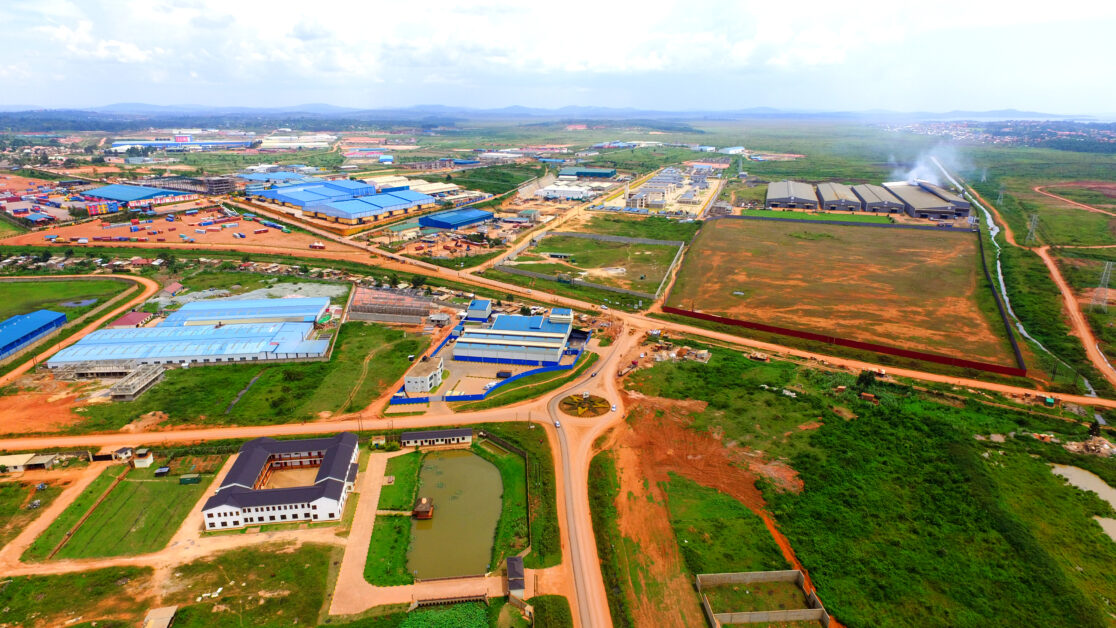
Several programs are being implemented to grow demand and among these is supply of industrial parks that government is developing as well as growth in domestic customer connections under the Electricity Connections Policy (ECP) that seeks to connect 300,000 households/customers annually.
We are also looking at contributing to environmental sustainability by putting in place innovative programmes to wean people off the biomass, so they can use electricity for cooking. We are starting with institutions, and then gradually to the domestic consumers. We are also prioritizing the creation of adequate infrastructure for industrialization so as to accelerate social-economic transformation, creation of jobs as well as improving the wellbeing of humanity in our country.
As a regulator, we will always be the umpire, the referee; we will always do our best to balance the interests of all the stakeholders, to protect the rights of the consumers.
Talking about the affordability of power, in 2013, the Authority developed a 5-year Least Cost Generation Plan (LCGP) that was updated and extended for another 5 years in 2018. Tell us more about this plan and how successful it has been to date?
 After 29 Years in Court, Government Ordered to Pay UGX 512.9 Million in Kamuli Land Dispute
The plan in 2013, projected load shedding starting from 2014 until 2018. This led to fast-tracking of generation projects especially under the Global Energy Transfer for Feed-in Tariff (GET FiT) program and the likes of Isimba HPP and Karuma HPP. As a result, no supply shortfall was experienced over the planned period. The additional benefit of the plan is the reduction in the Renewable Energy Feed-in Tariff (RE FiT). As more projects are licensed and developed, Uganda has made a price discovery and the RE FiT has generally reduced by more than 30% for some technologies like Solar PV while small hydros reduced by 20% over the same period.
One of the major initiatives undertaken by the government in the last 20 years is the Electricity Connections Policy (ECP)- that we understand has run into some headwinds. What are some of the major achievements under this Policy and when can we expect the challenges to be resolved so that the initiative resumes fully?
The Electricity Connections Policy (2018 – 2027) was introduced in 2018 by Government to address the challenge of low connection rates that previous policies had not addressed despite having invested considerable amounts of funds in grid extension. It targets connecting 300,000 customers on the grid per year to achieve a 60% level of access to electricity for Uganda by 2027. By December 2019, a total of 279,000 customers had been connected to the national grid under the ECP.
Implementation of the Policy was, however, affected by financial constraints that the Government of Uganda and other key stakeholders are working to resolve to enable resumption of connection of Electricity Customers to the grid.
Another hallmark project has been the Global Energy Transfer for Feed-in Tariff (GET FiT) Programme launched and run by ERA since 2012 which we understand has been quite successful to the extent that other countries are benchmarking it. Please share with our readers why and how GET FiT has been this successful and the key milestones therein.
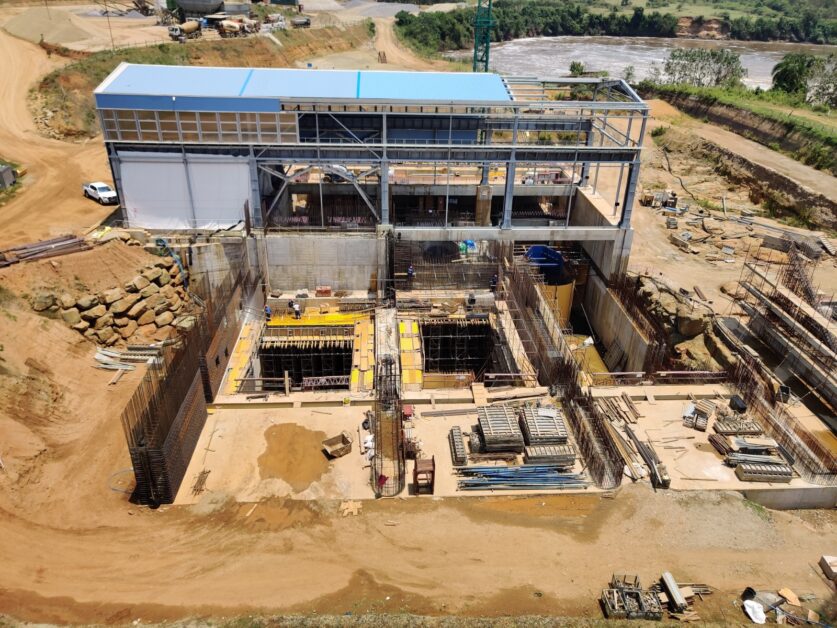
In 2019, GET FiT-supported power plants provided approximately eight per cent of the total electricity supply in Uganda. With 14 new power plants built in no more than six years (and three more yet to come), GET FiT Uganda proved its unique ability to attract private sector investments. As of 2019, the Programme had leveraged over USD 455 million in private investments, including USD 165 million of private commercial financing.
The GET FiT Portfolio of 14 operational projects out of the 17 expected consists of 11 small hydropower projects (SHPs) with a combined installed capacity of 82.4 MW, two solar PV projects with a combined installed capacity of 20 MW, and one bagasse co-generation project with 20 MW installed capacity, all delivering clean, renewable energy to the Ugandan grid.
One of the major issues that stand out in the energy sector, is domination by large regional and multinational firms, with fewer Ugandan companies being involved especially on the large projects. How are you addressing this core element of sustainability?
First of all, the Electricity Supply Industry is liberalized and is private sector-led. Anyone with equity, ability, and a bankable project is welcome to invest. But specifically, for national content, I am happy to say that we have several local competent firms that have been licensed to generate and distribute Electricity.
Currently, over seven (7) local firms have been licensed to generate power. These include PA Technical Services, Electromax (U) Limited, Kyambura Hydropower Limited, Rwenkuba Electricity Company Limited, among others.
Besides, Six (6) out of the Nine (9) companies distributing power are local.
As I speak today, we are registering local service providers for wooden poles. In the past, most of the poles were imported largely because of quality and standards issues. But recently, working with players in the industry, we drafted guidelines and standards for local providers, to ensure that they supply poles that meet the expected lifetime of 15 to 20 years.
We are also doing the same- harmonizing standards for distribution transformers so that we can utilize our own locally manufactured transformers. In the area of skills transfer, it is now a must for all licensees to put in place a local content and laid-out skill-transfer plans that show plans to employ Ugandans. There should also be a corporate social responsibility plan that is agreed with the local leadership.
On the side of construction in the industry, we have wire persons across the entire value chain. We have class A who can participate in the construction activities at all voltage levels, then Class B for distribution and class D&C for premises at different voltage levels. There is a lot of room for Ugandan graduates, technicians or engineers, subcontractors, company permit holders etc, to participate and they are participating.
There is evidently limited participation of females in the energy sector. It is way too male-dominated. Again, as part of sustainability, how are you addressing the gender divide?
This is a historical issue. There were not as many females pursuing science courses in the past, as well as careers that are labor-intensive such as engineering. This eventually created the gender imbalance that we see today. But gradually we are overcoming that, and I think the energy sector in Uganda has become a model sector for gender mainstreaming.
For example, right now, most of the sector’s leadership is female- right from the minister, the Chief Executive Officer of the Uganda National Oil Company (UNOC), the Acting Executive Director of the Rural Electrification Agency (REA) and me as the CEO of the regulator. We have ladies that are also in high-level positions in the private sector e.g. the CEO of Eskom Uganda Limited.
As a regulator, we also have in place a programme, which we code-named Women in Energy. Under this programme, every month of March, we move around the country in various schools to mentor girls, to interest them in numeracy and science courses, so that in the end they may come in to replace us.

We also have a capacity building programme within the sector, where we provide some limited resources to licensees to recruit fresh graduates. To qualify to benefit from this programme, licensees must have at least 40% of all graduate recruits as female. These and more are some of the initiatives being done to bridge the gender divide.
Lastly, the world of energy like everything else is dynamic and ever-changing. How are you creating an ERA of the future that is ready to meet the growing and dynamic power needs of Uganda?
The World over, the foundation of regulation is in her people. ERA has made a deliberate effort to recruit and continuously train its staff to be ready for a dynamic work environment and embrace both the present and future in electricity regulation. ERA is also in the process of introducing a Regulatory Information Management System (RIMS). This system is expected to address the issue of digital future markets. It will complete all licensees’ reporting, regulation and management.