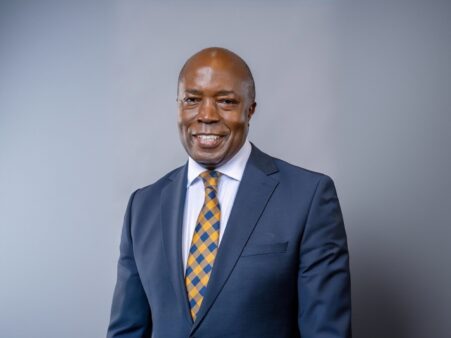
In this deep and revealing conversation with Muhereza Kyamutetera for our Mad(Wo)Men series — an in-depth look at the visionaries who have shaped, challenged, and redefined Uganda’s advertising industry— Alemu reflects on the formative moments, bruising setbacks, big wins, and powerful lessons that have shaped his philosophy on leadership, teamwork, and creativity. From navigating corporate pressure to launching continent-wide campaigns, from imposter syndrome to cultural confidence, Alemu’s story is as much about personal evolution as it is about building creative legacies.
This is not just the story of an adman—it is the story of a servant leader on a mission to elevate African storytelling on the global stage.
I have talked to many of today’s leaders in the Ugandan advertising industry, who didn’t exactly plan to end up here; they, including myself, stumbled into it. For many, it wasn’t a straight path; we just somehow showed up. Could you take us back to your own journey? Where did it all begin for you, and how did you find yourself in the communication and advertising space?”
Honestly, my entry into advertising was completely accidental. I didn’t even know what a copywriter was. I remember this was around 2007, Timothy Kasirivu (may his soul rest in peace) called me one afternoon. He was working at Ignition Advertising at the time. I’d just left work early. I had one of those jobs that allowed me to clock out by 4:30, and I was already seated at Rock Catalina, a bar in Ntinda. He called and said, ‘Hey, do you mind passing by my office for a bit?’ So I made my way to Acacia Avenue, where Ignition was located.
We met on the roadside, and he told me there was a job opening, a copywriter position. I laughed and told him, ‘Bro, I didn’t study law. I know nothing about copyright!’ I had completely misunderstood the word. So he started explaining: ‘You see that billboard over there?’ I said, ‘Yes.’ And he goes, ‘Someone had to write those words. That’s what copywriting is.’ I genuinely had no clue.
To be honest, I still didn’t fully get it, so I said, ‘Bro, I’m heading back to the bar.’ But while we waited for my boda, I noticed something that completely shifted my mindset; Timo was wearing shorts and flip-flops. I asked him, ‘Are you on leave today?’ He said, ‘No, this is how I go to work.’ That blew my mind. The job I had at the time required tucking in shirts and being formal. So my first curiosity about advertising wasn’t even the job, it was, ‘Which kind of industry lets you work in shorts and flip-flops?’
That curiosity led me to show up for the interview on Monday. Josephine Muvumba, who’s now at Metropolitan Republic, was my first boss. I got the job. But I had to figure everything out from scratch.

I remember walking into my very first status meeting. People were talking about briefs, timelines, and deliverables. I didn’t understand a word. Then they gave me my first assignment: write a brochure for a brand called Le Chateau. I panicked. Completely. Luckily, Morris Baluku, my friend from university, was also working there. I ran to him, freaking out, and he helped me out by grabbing a few brochures from a travel company at Kisementi, in Kololo. He told me, ‘This is what a brochure looks like. Use it for inspiration.’ That’s how I got started.
In truth, I got into advertising because Timothy was leaving, and he recommended that I take over his role. But if I’m being brutally honest, what really sold me was the idea that I could wear shorts and flip-flops to work. That’s what drew me in. The rest I figured out along the way.”
Now, looking at where you are today and reflecting on how far you’ve come, how would you describe what it was like working with agencies back then compared to how the industry operates today?
Working with agencies then, compared to now, I think one of the biggest differences was time. Back then, we had time. You’d have two weeks, sometimes even four weeks, to put work together. There was space to think through the idea, to craft it properly. These days, you’re lucky if you get 24 or 72 hours to flesh out a full 360 campaign. It’s a huge shift.
I also think things were a lot simpler then. If you remember, we were mostly dealing with just three channels—TV (or film), radio, and print. That was it. Now, it’s a completely different ball game. You have to be multifaceted. You have to quickly grasp new media and evolving platforms. It’s not just the media itself, but the speed at which it keeps changing.
Back then, you’d work off a known structure—‘this is how it’s done’—and your job was to find innovative ways within that. Now, you not only have to be innovative, you also have to be constantly learning and unlearning, almost at the same time. That’s one of the major differences. Then, there was more time, and much less pivoting. Today, it’s about agility, how fast can you learn, how fast can you produce?
And then there’s the shift in expectations. Back in the day, it was all about brand love. The mission was to make people love the brand. Brand love scores were everything. If people loved the campaign, talked about it, and remembered the brand, that was success. We used to ask: ‘Do people love it? Are they talking about it? Do we have top-of-mind awareness?’ If yes, perfect.
Now? It doesn’t matter how much people love your campaign. If it’s not converting into revenue, if it’s not moving the numbers, then it’s considered a failure. Today, it’s about the share of wallet. Have you hit your revenue KPIs? Have you delivered business results? So, as a creative, you now have to understand business a lot more than you did before. You have to think strategically, not just creatively.
And how about from the client’s side, would you say clients today are more passionate, more understanding… or maybe more impatient? Have they gotten better over time, or is it still the same story, just a different cast? Same script, different players?
I think what’s changed now is that clients are under way more pressure, primarily because business results now sit squarely on their heads. These days, you’ll get a brief, and it has a very clear financial KPI attached to it. That wasn’t always the case. Maybe about 5, 8, or 10 years ago is when this really started to become the norm. Before that, the focus was more on brand, making sure your brand had a place in the hearts and minds of the consumer.
But now, because clients are directly accountable for financial outcomes, they’re understandably more impatient. I wouldn’t say they’re meaner now or kinder than they were in the past. In fact, back then, even though clients gave you more time to work, they were a lot more brutal with their feedback.
I remember being a junior writer—of course, struggling to deliver quality work—and sitting in meetings where I was called stupid, where someone literally told me, ‘We will not proceed until you accept you’re an idiot.’ And that was considered normal.
Today, however agitated a client might get, they can’t talk like that anymore. We live in a time where if you use that kind of language, you’ll likely end up in the HR office, or worse, trending on Twitter. So while clients might appear more verbally kind now, I think it’s largely because society demands it, not necessarily because they’re being gentler by choice.
That said, you can genuinely feel the pressure they’re under. And because of that, there’s a real impatience, especially when it comes to building brands. Building a brand takes time—three, five, even ten years to just build or set the foundation. But very few clients are willing to wait. They want results now. They’ll hand you a brand and expect it to be shining within three to six months. There’s rarely an openness to the time and process required to build that kind of relationship with the consumer.
So if I had to sum it up: the big difference now is the impatience, driven by the weight of financial KPIs sitting directly on the client’s shoulders.
Going back to your early days, after Ignition—I think our paths crossed sometime around Fireworks Advertising. At what point did you actually feel like, ‘Okay, I think I’ve arrived. I’ve found myself. This is where I’m supposed to be? When did that moment of clarity or conviction hit you?
Interestingly, I think the first time I really felt like I’d ‘arrived’ was during my time at Fireworks Advertising. But to give it context, before that, I had left Ignition and joined Maad Advertising. At that point, I honestly felt like I knew nothing. But I got a chance to work on Warid Telcom, and then something shifted.
You know that feeling when your work is out there, and people are talking about it—not on social media, because this was before all that—but in taxis, in bars, at the kaduka. You’d overhear kids or strangers talking about a radio ad you worked on. That gave me a real boost in confidence.
Then Fireworks came along. And not only did they offer me a job—they paid me more than I’d even asked for. That, for me, was huge. It felt like a validation. I moved from what I jokingly call the ‘poverty class’ of young advertising creatives—you know, living far, in dusty places like Kawaala or Kalerwe, sharing rooms with bad furniture. Suddenly, I could afford a decent place, go out without worrying that if I knocked over someone’s drink at Just Kicking, I’d be in trouble. I had some comfort. I had arrived—or so I thought.
But then, about eight months in, I was one of seven people who were asked to leave. It was done amicably—they were polite and professional—but it hit me hard. It shook my confidence. Here I was, thinking I was finally living a normal life, even thriving, and suddenly I was out. That moment has never left me. Even after all I’ve gone on to achieve—becoming Creative Director at Scangroup, getting promoted to Group Creative Director in Nairobi, leading campaigns for Airtel and OMO across Africa, winning Cannes Lions multiple times, even speaking and judging at Cannes—I’ve never let myself feel like I’ve truly ‘arrived.’
That moment at Fireworks was the most confident I’d ever felt—but also the most humbling. It taught me not to get too comfortable. That one event has kept me on my toes ever since. I’m always pushing to be better. Even now, as I sit here looking at these creative awards and trophies on my desk, I don’t feel overconfident. I still feel like I have a long way to go. So, if there was ever a time I thought I’d arrived—it was then. But life quickly reminded me otherwise.”**
You know, as someone who worked for Fireworks Advertising and was part of that decision at the time, I obviously can’t give away all the details—but I’ve often reflected on it too. To what extent would you say that the incident—and perhaps other tough moments along your journey—have influenced your leadership style? Especially in how you deliver or receive hard feedback today?
Yes—two things. Actually, many things and many relationships have shaped me over the years. But if I had to highlight a few pivotal ones, one of the most defining was definitely being let go from Fireworks.
When I later joined Scangroup, I remember going through a multi-step interview process. I did the Hello Test. Then they gave me an assignment. Then, finally, I had to meet the Managing Director, Sandeep Inamke. This time, I hadn’t come straight from a bar like before. But still, I genuinely didn’t believe I would get the job. I honestly thought I wasn’t good enough.
So when they offered me the role, I made a quiet promise to myself: Whatever happens from here on, if Scangroup ever lets me go, let it never be because I didn’t give 110%. From that point on, whether it was a tiny brief for flyers or a massive, thematic, continent-wide campaign, I gave it everything—my full energy, my best thinking, my best use of time. That moment at Fireworks completely changed my work ethic.
If anyone ever says, ‘This isn’t good enough,’ and I have to leave, I want to know in my heart that I left nothing on the table. That I gave the best of what I had.
There have also been many individuals along the way who influenced how I lead and receive feedback. When I worked with Adris Kamuli, he taught me mental discipline. He’d always say, ‘Jamu Ekyejo’—meaning, stop pitying yourself. Just get the work done. No excuses. That became part of my operating system.

At Scangroup, I met Niranjan Kaushik, an Indian Creative Director who simplified my approach to briefs. He taught me to cut through complexity: Understand the problem. Solve it. Simplify it.
Then there’s Sandeep Inamke—my boss at Scangroup and later at Ogilvy. He pushed us to reach a standard that often felt impossible. But because he kept pushing, we elevated ourselves.
At Ogilvy, my CEO, Naja Belan White, an American woman, instilled in us the importance of self-belief. She brought a different energy, she was about inner strength, about backing yourself fully.
So yes, there’ve been many influential people and more than I can list here. But if I had to name pivotal turning points, one would be that moment at Maad when I started to find my feet. And the second, undeniably, was getting fired from Fireworks. That moment continues to drive how I show up to work every single day.
Fired from Fireworks; Fire and fireworks, yeah, that’s poetic. So tell me, at what point did you actually cross over to Nairobi? Was it something you decided, or was it an opportunity that was offered to you? And as you were crossing that border—both literally and figuratively—what was going through your mind?
Yes—so in my case, it was an offer. At the time, Ogilvy Africa had been set up to handle Airtel across 17 markets. The story I was told is that, creatively, things were a bit of a struggle. Airtel had just acquired Warid in Uganda, and apparently, the work we were doing for Airtel Uganda stood out—it resonated locally and got noticed by the HQ marketing team.
So, the opportunity came through the client side. I remember the client then was a gentleman named Dia, from Morocco. I don’t know who exactly made the final call, but I was told it stemmed from the creative results coming out of Uganda. They tabled an offer for us to join the HQ team, and in my case, to lead creative for Airtel across the continent.
As a kind of pilot project, we were given a brief to work on Airtel Money, which at the time was struggling in several markets. There were internal conversations on whether to keep it or scrap it altogether. Our task was to turn the Warid ‘Pesa Man’ character into ‘Mr. Money for Airtel Money.
We ran a continent-wide campaign, and every market that used it—except Kenya (which had Teacher Wanjiku running) and Tanzania—saw a significant lift. That campaign helped resuscitate Airtel Money. It became our proof of concept—that we could deliver pan-African creative work.
So, I moved to Nairobi—where both Ogilvy Africa and Airtel Africa were headquartered—to be closer to the client and lead the work.
Culturally, the transition wasn’t too tough. I was born in Kenya, and during my three years at Scangroup Uganda, we used to frequent Nairobi. We had regional clients like Bamburi Cement and Hima, so I already knew the city. I had friends there, even some people I grew up with, with whom I stayed in contact.
Professionally, though, it was nerve-wracking. It was a much bigger agency, a bigger market, and a massive leap—from managing Uganda, Rwanda, and Congo Brazzaville to leading creative for 17 countries for a telco giant. But I got in, and thankfully, culturally, socially, and professionally, I was able to settle in and find my rhythm.
So there used to be a time—and I’m glad it’s fading now—when there was this kind of inferiority or superiority complex, depending on which side you stood. People would say, ‘Our Kenyan brothers and sisters are faster, sharper, more rooted,’ and some people actually believed it.
Did you ever feel that kind of pushback while working across the border—like, ‘What’s this Ugandan and their matooke doing here?’ Did you ever encounter that subtle resistance or questioning of your presence or ability?
The truth is, any time you come from what’s perceived as a smaller market, there are always going to be questions. I do recall situations—and let me tell you—when I got to Ogilvy Africa, it wasn’t even Kenyan creative directors I was dealing with. There was just one Kenyan Creative Director at the time. The rest were from all over the world—France, New Zealand, Australia, the UK.
So I arrived expecting to meet my Kenyan brethren, only to find myself in rooms with creatives from India, Europe, Oceania—you name it. And at first, yes, there’s definitely that feeling of imposter syndrome. You start to wonder, Do I really belong here?

I’ll give you one incident that really stuck with me. We were in an Airtel session—there was a team from France and New Zealand, another guy from Australia—they all presented their scripts. Then I presented mine. When I finished, this guy from New Zealand came up to me and went, ‘Oh, who helped you write those scripts?’
I was like, ‘Bro… what do you mean?’ It was clear he couldn’t fathom that I had written them myself.
Now, look—it’s not always malicious. It’s often just a matter of ignorance. They simply haven’t been exposed to strong creative work coming from our markets, or to people from here who can deliver at that level.
So, how do you deal with it? First, you understand that they don’t know better—it’s not personal. Second, you let your work speak. You produce consistently good work. You raise the bar. That way, the next time you walk into the room, the expectation flips—they’re like, ‘Ah, this guy’s about to bring some fire.’
And that still happens. Even now, when I work with European clients or with South Africans, I’ve seen that look of surprise when you present strong film ideas or full campaigns. You can literally see them recalibrating their expectations.
And that’s fine. That’s why I’m in the room.
You know, there’s this joke—or maybe it’s a hard truth—you hear a lot in marriage circles. That is when you marry someone from another tribe or even another nationality, you really have to do a good job for your people. Because if you mess it up, folks back home will say, ‘Eh, those ones—terrible husbands or terrible wives.’
Did you ever feel a similar kind of pressure in your journey? Like, now that you were out there representing Uganda, there was this unspoken responsibility to deliver—not just for yourself, but to open the door wider for other Ugandans coming behind you?
That is very true. As a Ugandan—and even as a Kenyan, because I’ve now been in this market for over 10 years—many times when I walk into a space, I’m more or less representing Kenya, or Uganda even more broadly, as an African.
So, for instance, when I was given the opportunity to speak on the Cannes stage, I knew I had to deliver a kick-ass presentation. Why? So that the next time someone from Africa, from Kenya, or from Uganda is available to speak, people will say, ‘Yeah, let’s give them the chance, someone from there did a great job last time.’
Same thing when I was invited to judge at Cannes. I was under a lot of pressure because I knew if I didn’t contribute meaningfully to that discussion, I wouldn’t just be letting myself down—I’d be letting down people back home. Whether in Kenya, in Uganda, or across the continent. And then we risk being judged negatively.
So every time I get the chance to do something regional, continental, or global, I go in knowing I must give it everything I’ve got. Because, as you rightly said, the next time someone meets a Ugandan in that space, I want them to say, ‘There was a Ugandan here who did a solid job.’ Same for Kenya. Same for Africa. So yes—that pressure is absolutely real. And it’s there every single time.
And speaking of your experience—having been in Nairobi, working on Pan-African campaigns, and coming from a smaller market like Uganda—I’m sure that must have opened your eyes to a few hard truths that maybe you hadn’t fully grasped before. What would you say were some of those early lessons? Especially for someone who’s just been handed a Pan-African or even Pan–East African campaign today—what should they know? What does it really take to land a campaign across Africa?
You know, there’s that old Ghanaian saying—that a child’s biggest contribution to a conversation is to with their ears(to listen). I think it’s never been truer than when you’re doing an Africa-wide campaign. Because wherever that work is going to go, you really have to understand the cultural influences and nuances in each market. At the same time, you have to find a universal truth that can resonate across all of them.
To be honest, coming from a smaller market like Uganda was actually a huge advantage. Let me explain why. People who worked at Scanad for a long time will remember this phrase being thrown around a lot—‘In India, we do this,’ or ‘In South Africa, we do this.’ And because those are markets respected for their creative pedigree, people would take it seriously. Some of my Kenyan colleagues would go into meetings and say, ‘In Kenya, this is how we do it.’ And people would listen.
But for me? I couldn’t go to Nigeria or Ghana and say, ‘In Uganda, we do this.’ Uganda simply didn’t have that kind of creative clout at the time. So I was automatically forced to adapt, and adapt fast. I had to learn quickly—what are people saying in Zambia, in Nigeria, in Ghana? That became my default setting.
It taught me to be observant. If I landed in your market and had a week to work on a campaign, that week wasn’t for sightseeing. I was talking to the taxi driver, sitting in the front seat—not because I’m being polite, but because I want to have a conversation and get insight. I’d ask the waiter how their day is going. And in those moments, you get the stories, the tone, the raw voice of the market. That’s how I’d pick up the key narratives.
Coming from a market that isn’t globally benchmarked, I knew I had to prove myself every time. I didn’t have the luxury of saying, ‘This is how we do it back home.’ So each new market, each new brief—I had a point to prove. I carried that chip on my shoulder. And ironically, that became my advantage.
So if you’re doing a Pan-African campaign, the key is this: you have to humbly accept that your job is to learn first and fast—before you even think about communicating anything.
And speaking about landing in Kenya—getting there and finally feeling like you’ve got both feet on the ground, like you’re really seated at the table, grounded—what were some of those moments or campaigns that made you feel, ‘Okay, now I’m truly an East African kid in this business’? What are some of the things you worked on that gave you that feeling of being settled and fully part of the regional game?
Well, there’s a series of campaigns that did that. We did—for Airtel primarily—because for a long time, that’s all I was actually working on. I was leading creative for Airtel exclusively. I even tried to do some work for Coca-Cola and got in trouble for it, because my contract was strictly for Airtel.
There’s work we did in Zambia, for example, where the client was so upset, and there was a risk of losing the business. We went in and did a campaign called Kwacha, and it performed really well. Honestly, now—because it’s been a decade—the number of top-of-mind campaigns we did for Airtel Kenya and for Airtel Pan Africa is so many, I actually can’t pick any off the top of my head. There were just too many.
Then there was the work we did for Ol Pejeta Conservancy, which won a Cannes Lion—actually four Cannes Lions. That does a lot for your confidence. It’s one thing to be great in Uganda or even in Kenya. It’s another thing to do a good job across Africa. But to create something that’s celebrated at a global standard? That boosts your confidence through the roof. And then again, you have to remind yourself—don’t rest on your laurels. Come back down to earth.
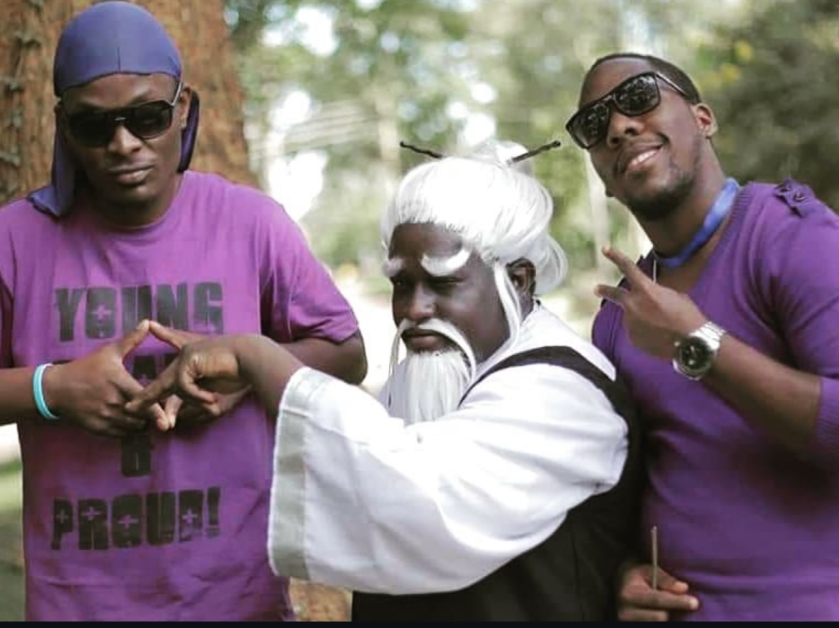
Some specific campaigns? The World’s Most Eligible Bachelor, which won a Cannes Lion. There was also a really popular campaign I led with a brilliant team of young writers. Honestly, I can’t even remember the title right now—maybe it’s old age—but it was for Airtel Kenya. There was a young lady on the phone in it. I’ll have to check YouTube and remember the name, because there have been so many campaigns over the last decade.
But one campaign that’s close to my heart—because of how well it did—was actually for Airtel Uganda. We shot a commercial for Airtel 4G in Karamoja. It was originally done just for Uganda, but it got such a great reception. It came off as a strong insight—we grew up hearing people say things like “We won’t wait for Karamoja to develop.” And I remember, about a week after it went live, I got a WhatsApp message with a photo. Someone was in a meeting where the ad was being played. They asked me, “Is this your work?” I said, “Yeah, what’s up?” They said, “We’re at Safaricom. They’re showing your ad as a benchmark for culturally relevant work.”
So to create something meant for just one market, and then have it spill over and be held up as an example in other markets—that was big. It was great for my confidence, and honestly, just a great statement.
Speaking of culturally relevant insights—do you have a personal way of working that helps you consistently uncover them? I know most agencies have standard processes like brainstorms and strategy sessions, but is there something unique to your own creative rhythm? Like a routine or mindset that you fall back on whenever you’re handed a new brief? For example, some creatives say they get their best ideas while driving out of town or even in the shower. What’s your version of that—what helps you unlock your sharpest insights?
For a long time, especially when I was deeply involved in crafting campaigns, I had a simple personal hack. The moment I received a brief, I’d dive deep—but deliberately stay away from my laptop. I learned this from one of my early mentors, Adris Kamuli, who always told me: “Ignore the first idea that comes to mind—it’s rarely the best.” So I would do exactly that.
I’d sit down with just a sheet of paper and start writing—free-form. Sometimes it would be a line. Sometimes a raw idea. Other times, a potential experience. I’d keep going like that for hours, pouring everything out until I reached mental fatigue. Then I’d step away—completely. I’d go to the bar, go for a walk, or even just zone out. The thinking would stop consciously, but subconsciously, the mind would still be processing.
And that’s usually when the magic happens—out of nowhere, while I’m in the loo or in transit to a party, the idea lands. I record a voice note on my phone immediately before it vanishes. That’s been my typical rhythm.
Nowadays, as I’ve gotten older and less plugged into every cultural trend, I’ve adjusted the process. I bring in younger people—those who are deeply immersed in culture—and we simply have a conversation. We don’t start with the brief—we start with what’s going on in the culture. What’s trending? What are people saying? What’s getting attention?
Once I absorb that, I begin shaping the creative response. Because the best ideas always come from culture. When you understand what’s relevant and what’s motivating people right now, it becomes much easier to craft solutions that resonate and solve the client’s problem meaningfully.
Looking back on your journey—from Uganda, to Nairobi, and now across the African continent and beyond—how would you say the advertising and creative industry has evolved over the years? What key shifts, trends, or insights have stood out to you, especially those that today’s creative leaders should be paying close attention to?
If you’re a creative leader—and I’m just reflecting on lessons I’ve picked up over the last 20 or so years across the continent and even globally—there are a few things that really stand out.
Number one: Listen before you talk.
Listen to all the ideas in the room. Even if you think you know where someone is going with their point, just let them speak. Don’t cut people off. Let them express themselves. And beyond your team, listen to people in the culture. Be a harvester of stories. If you’re in an Uber and you’ve spent 10 dollars, 10 pounds, or 2,000 shillings—that’s an investment. Get your return on that investment by asking the driver, “How was your day?” He’s going to give you information. You’ve just walked out of a meeting and you’re waiting for the company car? Ask the person standing next to you a question. Talk to people. Listen actively. Because you never know—the story that seems irrelevant today may turn into the big idea for a brief that comes a year, two years, or even three years from now.
For example, the World’s Most Eligible Bachelor campaign was inspired by a story I stumbled upon in a random magazine, about a year before the brief even came in. So collect stories. As many as you can.

Number two: Be humble enough to unlearn.
We’re raised and trained to learn. In your twenties, your job is to learn as much as you can—how to write, how to think, how to build ideas, how to process. But when you rise into leadership, you also have to master the art of unlearning. The world evolves. If you get stuck thinking, “This is how it’s always been done,” you’ll get left behind. What was true two years ago—or even six months ago—might not be true today. So constantly unlearn and re-learn. Stay open.
(2B, if I may add): The best campaigns are built on teamwork.
That’s something every creative leader knows. You cannot do it alone.
And number three, probably the most important:
The day you realise that, as a leader, people don’t work for you—you work for them—the game changes completely. When you walk into the office thinking, “Today, my mission is to make my team better,” everything shifts. You show up with the intention to help your art director do tighter layouts, your writer craft stronger scripts, and your client service team write sharper briefs. You realise your job is to serve them, to support them, to push them to grow and win awards and do great work. Leadership isn’t about being the boss—it’s about being accountable to your team. And once that mindset kicks in, it’s a total game-changer.
Before I forget—let’s talk money. When you moved to Kenya, how did the commercial side of the industry strike you? I mean, the Kenyan market is bigger, but were the margins better? Did the difference in financial viability between Uganda and Kenya surprise you in any way?
Of course, bigger markets come with bigger budgets, which naturally allows for a lot more to be done—especially when you look at the calibre of clients and what they’re willing to spend. Take production, for example. It influences everything. The reality is, films coming out of places like South Africa will almost always be of higher quality—not necessarily because of talent alone, but because they have the budgets to attract the best talent and invest in an entire ecosystem. You’ll find people going to film school specifically to enter that industry because there’s real money to be made.
The same goes for advertising education. While there are a few institutions like ISA in Kenya and others offering bits and pieces, a fully-fledged three-year university course dedicated to advertising is still rare. Why? Because unless the market can absorb those graduates, it’s not seen as viable. Bigger budgets lead to a more robust industry, which then attracts more skilled people, encourages healthy competition, and ultimately produces better work.
That said, some of the best creative work globally hasn’t come from massive budgets. What matters more than your production spend is the strength of the idea—specifically the insight it’s built on. A powerful, culturally relevant human truth, paired with an innovative idea, can outperform a high-budget campaign. In fact, people working with smaller budgets often work harder because they know the idea has to carry much more weight to break through.
Just out of curiosity—and no need to mention the client if you’re not at liberty to—but what’s the biggest production budget you’ve ever handled for a creative campaign?
 Ruparelia Group Wins Key Entebbe Land Case, Clearing Path for the New Mega Speke Resort and Convention Centre, Entebbe
The biggest production budget I’ve personally handled was $1.5 million.
Before we move on, I just want to add something about the biggest budget. Yes, the largest production budget I’ve handled was $1.5 million—and the output was great. It was an exciting experience because, at that scale, everything moves differently: the resources, the teams, the level of preparedness—it’s all top tier. That said, I’ve also delivered highly impactful work on much smaller budgets—$20,000 to $30,000—campaigns that genuinely permeated the culture. In those cases, you might even find yourself helping hold the lights or figuring things out on the fly. But they made a big mark. So while the $1.5 million production was my biggest in terms of spend, I can confidently say it wasn’t necessarily my most impactful piece of work.”
Wow, that’s quite something. So, between Ogilvy and where you are now, I know you’ve been involved in a number of other interesting ventures. I remember reading somewhere that you had left Ogilvy, and I recall thinking to myself—wait, is Alemu okay? What’s going on here? What happened in between? What was that transition like?
But before, before we jump to the next one, can I just say something about the biggest budget? Yes. So the biggest budget I’ve had is $1.5 million, and it was a great, great output. Okay, however, I’ve had significant output with projects where the production budget was 20,000 or $30,000. Wow, whereby that has really permeated the culture. Mm, so the big budget was great, and it was exciting to see that calibre of production, because when you’re dealing with that kind of budget, things move differently with the resources, the teams you’re working with, it’s the set, the level of preparedness is next level. It’s top tier. When you’re working with a 20, $30,000 budget. Sometimes, the one who’s even having to help guys hold lights, you’re trying to figure out people are trying to figure out things on the fly. But I’ve done stuff which has been hyper impactful on 30,000, 100,000, and so on. So, although 1.5 million was my biggest budget, I can categorically say it was not my most impactful piece of work.
So, from Ogilvy up to where you are now at The Quollective, you’ve had a pretty interesting journey. I remember reading somewhere that you’d left Ogilvy, and I honestly thought—‘Is this guy crazy?’ [laughs]. What were you up to in between? What was that transition like, and what did you spend your time doing before landing at The Quollective?”
So when I left Ogilvy, I moved to what, in advertising, we cheekily refer to as “corporate”,—which basically means going client-side. I joined East Africa’s largest betting company, Betika. Massive, massive entity. I spent two years there, and it was a great experience.
We did quite a bit of work during that time—won a couple of awards as well. In fact, one year, we were ranked just below Adidas globally, based on the number of awards we picked up at The One Show in the U.S. That was quite something.
Now, the transition to corporate was a very different dynamic. It was the first time I had to deal with things like Excel sheets—real Excel sheets! [laughs] I actually had to call someone to train me on how to manage budgets in Excel. Here I was, thinking I’m this advertising guru with all my awards, and suddenly I’m sweating over formulas and cells. It was humbling, honestly.
Also, working in a corporate meant dressing up—blazers, proper workwear. But what I really loved was the work-life balance. My son was young at the time, and for the first time in a long while, I’d get home in time to bond with him every evening. It was very different from the chaos of agency life.
But if you’re what I call an “advertising dog,” you kind of thrive in that chaos—the controlled madness, the adrenaline. So after two years, I felt this itch and made a decision to start my own creative enterprise.
Interestingly, during those two years, even after I left Ogilvy, a lot of people from different parts of the continent—Kinshasa, Kigali, Nairobi—would reach out asking for creative guidance or help putting together campaigns. Then one day, someone who would later become my business partner reached out for support on a project they were struggling to complete. That’s when the idea solidified: this could actually be a viable business.
So I took the big leap. I had some savings, took the risk, and fully focused my energy on building the agency. It’s now been three years of quick learning—good days, hard days, and maybe one or two easy-ish days here and there. But you know this better than I do—as an entrepreneur, there are no truly easy days. Still, it’s been deeply fulfilling.
And I have to say, working at Betika gave me the chance to learn from some of the brightest minds on the continent. The leadership there—people I can’t name because they’re quite private—are borderline geniuses. It was inspiring to be in that space, to learn, and to think at the level they operate at.
You know, there’s that running joke in agency circles—that the worst clients are usually ex-agency people who’ve crossed over to the client side. Did you ever make a mental note to yourself not to become that kind of client when you made the switch?
Of course! I had been on the receiving end of those kinds of clients—some of whom I’d even worked with back in my Scanad days. You’d have a great working relationship with someone in the agency, then they cross over to the client side and suddenly you’re like, “Wait, when did this person become like this?”
But to be honest, I never really got the chance to become that kind of client. The nature of the betting industry—especially the company I worked with—is extremely private and secretive. We didn’t work with external creative agencies. Everything was done in-house. We worked with external production partners, yes, but the creative itself stayed internal. So maybe I dodged the bullet. I never got the opportunity to be either a good or a terrible client.
That said, I made a conscious effort—especially on the production side—to apply what I had learned at Ogilvy. I tried to be clear with my briefs, consistent, and respectful of people’s time and craft. I’ve been in situations where I suffered through vague or shifting briefs, so I told myself, “Let me not become the person I used to complain about.” I may not have had the full client-agency experience, but I’d like to believe that, had I been one, I would’ve done my best to be a kind and collaborative client.
And speaking again on the commercial side of things, how would you compare Kenya and Uganda on two key aspects?
First, the issue of cash flow: In Uganda, we often hear about the painful cycle—getting an LPO, delivering the work, then waiting 60 or even 90 days to be paid. That’s especially tough for smaller agencies or start-ups with limited capital. Has Kenya been any different in terms of payment cycles and financial sustainability?
And second, there’s the issue of value erosion. Over the last decade, many agency leaders in Uganda have told me that retainers have significantly shrunk. Clients want more for less, and there’s this aggressive pitching environment where agencies are played against each other because everyone’s hungry for work. Has it been the same story in Kenya—or have you observed a different dynamic?
Absolutely. So, yes, one, the budgets are definitely bigger here [in Kenya], but that doesn’t mean the challenges are fewer. What’s happening—and this feels like it’s happening globally—is that retainers have shrunk significantly. I remember back in the day when I was still on the agency side, we’d pitch, and you’d cost the business based on the team required, overheads, deliverables, etc. Then you’d have a call with procurement and marketing.
One of the biggest shocks for me—I won’t mention the brand—was when we had won this huge account. I submitted our proposal, and during the call, they told me the budget they had in mind. I genuinely thought they were joking. I actually laughed, thinking they were starting low for negotiations. Only to realise, no—they were dead serious. That was what they were paying, and that’s what some agencies had already accepted. It was a humbling moment.
So, yes, retainers have shrunk. But the list of deliverables? It’s grown longer. You receive a scope of work that runs into two or three Excel pages—rows and rows of asks. You look at the expectations, and then you look at the budget, and you’re left wondering, How is this supposed to work?
Interestingly, I had a three-hour conversation with the CRDB Bank team from Tanzania at Cannes earlier this year. They were asking, “What happened to the East African advertising industry? Where did the value go?” I told them plainly: “Well, you stopped paying for it.” Because when you slash budgets, you lose the talent. That’s the truth—many of the best creatives have moved to other industries or gone solo. Today, agencies are really struggling to find good people. Why? Because those big retainers we heard about when we were juniors—the ones that allowed agencies to hire the best of the best—those retainers are gone.
Then there’s the issue of payment timelines. That’s still a big challenge. Three months, six months—it depends. I’m personally grateful that I had savings before starting my business. Not because I was preparing to start, but simply because I’d developed a savings culture about 10 years prior. And I learned the hard way—most people make the mistake of only saving for their personal needs: rent, fuel, food, survival for 3–6 months. But they forget—the business needs money too.
See, the small clients or projects might pay you upfront. But the big ones—the ones that bring in $50,000, $100,000 or more—they won’t pay you 50% upfront. Maybe only for third-party production, yes, but not for creative work or strategy. So if your cost of execution is $80,000 and the project is worth $100,000, and you don’t have that $80k liquid, you might be forced to turn it down—or worse, take a loan and risk everything.
That’s the reality: big money demands big patience. But patience alone doesn’t run businesses. And that’s why so many smaller agencies in markets like Uganda struggle—because they’re expected to deliver big value on stretched credit and lean budgets. So, across the board, especially on the creative and retainer side, the numbers have shrunk dramatically.
I’m glad you’re now sounding more like a businessman. How have you found the transition—from being a purely creative guy, the one who thinks wild and free, to now also having to think like a business leader? Because at the end of the day, every decision you make now has to be backed by numbers, by a spreadsheet somewhere. So, how have you managed to strike that balance between staying true to your creative instincts while also wearing the business hat? And what are some of the hard truths you’ve discovered in the last three years as you’ve made that shift into a businessperson who still leads creatively?
If I had to choose just one word to describe the transition, it would be: humbling.
You see, when you’ve spent years honing your craft, becoming the best creative you can be, and then start receiving international recognition, your confidence naturally grows. Yes, you remain humble, but you’re also supremely confident. I would walk into any room thinking, “It doesn’t matter who we’re up against or what the brief is—I’m going to deliver something exceptional, something potentially pitch-winning or award-winning.” That was my mindset as a creative leader.

But when I shifted into business—moved from Chief Creative Officer to CEO—the dynamic completely changed. I remember reaching out to Solomon King Benge, a fellow creative-turned-business-leader, for advice. During our conversation, I told him, “If there was a ranking of top creatives in East Africa, I’m confident I’d make the top 10. But for CEOs? I’m not sure I’d crack the top 200.” That was a sobering moment.
So the first lesson: humility. You might master one part of the industry, but in this other world—running a business—you start from scratch. I leaned heavily on my business partner, who had both business and creative experience. There were countless nights I was on the phone with him, asking questions, learning.
And here’s what I’ve learned, especially for any creative looking to cross into entrepreneurship:
- Understand Accounting, Finance & Taxes. Don’t delegate this blindly. Learn it. Understand how money moves through your business. And never, ever skimp on hiring a good accountant.
- Understand the Law, especially around contracts—both with clients and your employees. The client you love today may withhold payment tomorrow. A staff member could turn around and sue you for wrongful dismissal. And if you don’t understand labour laws in your country, you could be liable for huge penalties. In Kenya, for example, a wrongful dismissal could cost you a year’s salary in damages.
- Cash Flow is Everything. Many creatives say, “My business partner will handle the numbers.” No, you need to understand them too. You’re the one pushing to hire someone, buy equipment, or take a project. Know how that decision impacts your business—maybe not today, but nine months from now. Some consequences won’t show up until much later, but by then, the damage is done.
- Start from Zero—Even If You’re 45, with Awards, it doesn’t matter how many awards you’ve won or how many people think you’re a genius. If you haven’t run a business before, you’re back at the starting line—no different from a 20-year-old starting their first venture.
- People Management is Broader Now. As a creative, you might know how to handle writers, designers, and their quirks. But now you’re also managing admin, client service, operations—each with their own motivations and ways of working. You have to adapt fast.
Ultimately, business is a completely different game. It’s people, it’s process, it’s numbers, it’s legal, it’s structure. It’s Pluto—a whole new planet. And to survive, you must walk into every situation saying: I am a student. I know nothing. I’m here to learn. Then, learn fast.
We haven’t talked much about this baby of yours- The Quollective. In just a few words, what would you say you’re really great at as a collective? And if you had to introduce yourselves in an elevator pitch, how would that go?
The Quollective is best described as a hub for culturally relevant creative solutions. Yes, we do a lot of what traditional agencies do—but we don’t consider ourselves an agency. We’re an assembly of high-calibre creatives from across the continent, and what sets us apart is how we custom-build teams and design tailored creative responses to solve real business problems.
Often, the solution isn’t just a campaign. It could be a new product entirely. That’s why we’ve developed proprietary tools to help large organisations create new-to-world innovations. One of our standout offerings is what we call Culture Safaris—consumer and cultural immersions that move beyond focus groups and take brands directly into culture in its natural habitat.
We don’t create in isolation. We don’t just respond to briefs as advertising experts—we co-create with your consumers and the people that influence the key influencers around them. That’s how we ensure the work we deliver doesn’t just look and sound good but lands authentically and resonates deeply with the target audience.
We’re operational across East Africa—with registered offices in Uganda, Kenya (our headquarters), and Tanzania. Through our affiliate partners, we also serve markets in Nigeria, Ghana, and Zambia. Beyond Africa, we’ve executed work for clients in the United Kingdom—both agencies and corporations—and have handled projects out of South Africa as well.
You’ve truly been in the trenches—you’ve built businesses, led award-winning work, judged at both local and global creative stages, and observed this industry evolve across time and geography. Drawing from that depth of experience, if you were to sit by the fireside and speak to a group of young communication professionals—whether they’re creatives, strategists, brand builders, or client leads—what would you tell them?
In light of how the landscape is shifting—new technologies, changing consumer behaviours, evolving business expectations—what are the essential skill sets, mindsets, and values that one needs to thrive today? Because, as you know, succeeding in this field requires bringing your whole self into the room. So, what should the next generation be equipping themselves with to truly make it as great communication professionals?
I think specific skill sets will always vary depending on which area of communication you pursue, but mindset is universal. And if there’s one thing I’ve come to believe, it’s that every great creative needs two seemingly contradictory traits: unshakable self-belief and crippling self-doubt.
Let me explain.
You need that unstoppable self-belief to walk into a room—any room—and know that you have what it takes to deliver a game-changing idea. That you’re capable of shifting a brand’s trajectory. That you belong at the table, and you’re here to make an impact.
But at the same time, you need that intense self-doubt to keep yourself honest. When you think you’ve cracked it—when you’re sitting on what feels like a fire idea—you must be the first to poke holes in it. Tear it apart. Question every angle. Because that’s the only way to refine it into something truly exceptional.

So yes, bring the Muhammad Ali–type confidence, but pair it with the humility to know that if you slack, someone out there will eat your lunch. That balance keeps you sharp.
The other thing—and this is especially important for younger creatives—is understanding that greatness is a team sport. The rockstar mindset may work for a moment, but real impact comes from collaboration. Every award-winning campaign you’ve ever seen was the result of multiple people bringing their A-game. Learn to work well with others. Learn how to build with a team.
Also—and this has been crucial for me—surround yourself with people who are better than you. And that includes juniors. One of the best lessons I got came from my former boss Adris Kamuli, who always said: “Find people better than you—and learn from them.”
For example, I realised early in my career that while I was a strong writer, I was weak visually. So I sought out the best art directors I could find—Gerald Ssali, Barigye Ivan, Tony Mwesigwa, Maxwell Ngari—and worked closely with them. I studied how they saw the world, how they built visuals. Over time, that made me better, and today, I can confidently direct visual work at the highest level.
The same thing happened when the world began shifting from traditional ATL to digital. My roots were in classic storytelling, but I humbled myself and started learning from brilliant digital minds like my creative partner, Maxwell Ngari, one of the best digital creatives on the continent. I asked questions, tried new things, failed, learned, and iterated. And today, even though I came from a traditional background, 80% of my awards are for digital campaigns.
That’s the other mindset you must adopt: be a lifelong learner. Stay curious. Be humble enough to ask. Consistently improve.
And finally, never join the list of people who doubt you. There are already enough out there. Believe in yourself like no one else can. But also, challenge yourself like no one else will.
That combination—self-belief, self-doubt, constant learning, collaboration, and humility—that’s what builds a truly great creative professional.
As we start to wrap up, just one or two final questions. Running a business—especially a startup that’s still under five years old—can be incredibly daunting. But despite the challenges, there are always those moments that make it all worth it. The warm, fuzzy moments that reignite your optimism, the things that make you want to jump out of bed in the morning—even when you know there’ll be a tough email or two waiting.
What is it about your current role at The Quollective that truly excites you? What keeps you going, even on the hard days?
What excites me most about my current role at The Quollective is that we’ve made a deliberate decision to lead with culture first—and to work with creative talent that goes beyond the traditional advertising mould. This approach has opened us up to an entirely different universe of creativity. It has reaffirmed what we’ve always believed: Africa doesn’t lack talent. What we’re now doing is building The Quollective into a platform that can elevate this talent to regional and even global stages.
Even more exciting is the fact that we’re not alone. We’re seeing other entities emerge with a similar mindset, which tells us that in the next 5, 10—maybe 15 years—the quality of ideas and creative solutions coming out of Africa will be truly unimaginable. I can’t wait to witness what that future looks like.
Another thing that fuels me is the shift in industry culture. When I first joined advertising, agencies were like fortresses—closed off from one another. But now, there’s a growing sense of collaboration, especially among boutique agencies like ours. At The Quollective, we regularly collaborate with incredible teams at places like MB96 and The Bar in Nairobi. We sit together, share ideas, and support each other. It feels like we’re rediscovering the original African spirit of community—of building together. And I think more and more agencies are embracing that.
So, what excites me? It’s the ability to see the future—and to help shape it. A big part of our work involves future-casting and co-creating new-to-world products. And from what I see, the future is incredibly bright. Young creatives across the continent are expressing themselves with such authenticity and boldness. They’re going to be wealthier, more impactful, and more influential. The work coming from Africa won’t just shift culture—it will change the world.
And when Africa speaks in the next five to ten years, the world will not only listen—we’ll have earned our seat at the table. In fact, we may just build a few new tables of our own.
And perhaps one final question before I ask you to wrap up: At the heart of everything we do in this industry—indeed in any industry—are the people. And there’s a generation that’s now at the centre of many leadership conversations: Gen Z.
From my own interactions with leaders across sectors, the views on Gen Z are quite varied. Some are frustrated, others are inspired, and many are still trying to find the right way to engage with them. Some of the challenges often mentioned include difficulties with time management, leading to work piling up and resulting in panic attacks. Others struggle with financial discipline, which sometimes spills into their professional performance. But of course, there’s also a lot of promise, creativity, and fresh thinking that they bring to the table.
From your experience working across multiple markets, how have you observed and navigated this dynamic with Gen Z talent? And what advice would you give to leaders trying to bring out the best in them?
Absolutely—everything you’ve said is spot on. And it’s not just me; almost every business or creative leader I engage with is grappling with the same Gen Z dynamic.
On one hand, many find Gen Z talent highly unreliable and unpredictable. You can’t just leave them to their own devices and expect things to get done in a structured or timely fashion. They don’t respond to the old-school motivation tools we grew up with—like negative reinforcement. For us, being called out or reprimanded was a wake-up call: we’d shape up fast. But for Gen Z? If they feel disrespected or misunderstood, they’ll simply walk out—no drama, just gone.
That said, there are remarkable strengths they bring. Their ingenuity is genuinely impressive. They often find solutions that are faster, simpler, and more efficient—approaches we wouldn’t have imagined. Their thinking is fresh and bold, and I attribute a lot of my optimism about the future of creativity in Africa to them. Many of the conversations we have with brands today are centred around understanding Gen Z, which means these young creatives are already influencing the direction of our industry in a big way.
What remains to be seen—and what I’m genuinely curious about—is how this generation will evolve once they move into leadership and management roles. Working with them now requires us to accept a certain fluidity in schedules, accountability, and working styles. And as leaders, we adjust—we stay disciplined, consistent, and present, even when it’s inconvenient. That’s the responsibility that comes with leadership.

But what happens when Gen Z steps into those management shoes? Will they maintain that same level of structure and consistency that leadership demands? Can they show up when it’s not convenient? Can they put others’ needs above their own work rhythms?
I’m curious—because we’re just a few years away from that shift. In three to five years, we’ll start to see more Gen Z professionals running departments, managing teams, and possibly even leading companies. I suspect the generation that comes after them might swing the pendulum back the other way—offering some balance, as is often the case with generational shifts.
So yes, Gen Z can be both exciting and frustrating. But above all, I’m genuinely intrigued to see how they reshape leadership and business once they’re in the driver’s seat. It’ll be fascinating to watch.
I’d like to wrap up with a more reflective note. I’m sure there are many young creatives—Gen Zs especially—who look up to you for inspiration. And as you rightly said, a lot of young people go through life without deeply thinking about how their present actions prepare them for the future, especially for leadership and business roles.
So imagine taking a walk up Acacia Avenue again, like that conversation you once had with the late Timothy—only this time, you’re walking beside a younger version of yourself, that Gen Z Alemu. Knowing everything you know now, what would you tell him?
What would you say he needs to start doing early—whether it’s around mindset, skills, money, relationships, or self-leadership?
What habits would you advise him to unlearn or leave behind?
And how should he prepare, not just to be a great creative, but also to one day lead, build, and possibly run a business of his own?
What would that conversation sound like today?
If I were to have that conversation with my younger self, the very first thing I’d say is: develop discipline. And to me, discipline is simple—it means if you say you’re going to do something, then do it. No excuses. No one cares about how hard the process was; people only remember the outcome. The world doesn’t reward your intentions—it rewards results. So prepare yourself for a world that only values what you deliver.
Second, understand that discipline isn’t something you suddenly develop when you get into leadership. Just like they say in training: how you train is how you play. If you don’t show up on time now, you won’t magically start doing so when you become a business owner. If you can’t manage your tasks or motivate people today, you won’t know how to do it when you’re leading a team. You start practising today the habits you’ll need tomorrow. Lead yourself now the way you’d like to lead others in future.
Third, don’t underestimate the value of hard work. There’s a lot of talk about working smart—and yes, that matters. But hard work is inevitable if you want to build something great. I’ve worked every single day for the last three years since starting The Quollective. Weekends, holidays, late nights—I’ve done them all. Just this weekend, I have a wedding on Saturday, and I already know I’ll be working late afterwards. And I can do it now without breaking because I trained for it—back when I worked in agencies like Scanad, I put in that kind of effort regularly. So now, when it counts, I’m not caught off guard.
Hard work is a requirement, not a punishment. Yes, there comes a point where you can relax a bit—maybe hire more people, take time off, or diversify—but that doesn’t happen in your first three years. It might not even happen in the first 10. So normalise effort. Embrace it.
And finally, never stop learning. Learn as much as you can, as quickly as you can. Read, ask questions, study people, stay curious. Learn the things they didn’t teach you in school—finance, contracts, leadership, negotiation, and the law. And then unlearn the things that no longer serve you. The industry evolves, and so must you.
So: cultivate discipline. Train like a leader even before you become one. Get comfortable with hard work. And commit to lifelong learning. That’s the foundation for greatness.
Alright, I think that covers everything I had on my end. But before we wrap up— is there anything you feel we haven’t touched on that you’d like to emphasise or leave us with?
I’ve enjoyed this conversation. I didn’t even notice time had flown.
I was just looking back at some of the questions you had shared. I think there’s one about how young African creatives can raise their game globally. Maybe I can wrap up with that, as part of my closing remarks?
So, here’s what I’d say—and it’s something I’ve also been sharing with people I mentor. As you mentioned, mentorship—anyone who asks me for it, I usually say yes. I’m like, find the time, let’s sit, let’s jump on a Zoom call. And what I’ve been saying to them recently is this:

It doesn’t matter where you come from—whether it’s the deepest rural village in Africa—the global stage is open to you. What you must do is have a dream. And not just any dream. Have the impossible dream.
The problem is, people dream too small. Someone will say, “I want to become a creative director one day.” But what happens if you become a creative director in your 20s? Then what? You stop?
So, dream a dream that is so big it feels impossible if you want to win a Cannes Lion, dream of winning 100. If you want to run your own business, dream of running 10. If you want to be the biggest creative in Africa, dream of becoming the greatest creative in the world.
Because here’s the thing—the same amount of energy and time it takes to dream small is the same it takes to dream big. So why not dream big?
And when you dream the big dream, you force yourself to rise. If you’re a 20-year-old writer dreaming of becoming a creative director, why stop at that? Why not dream of being the best creative director in Uganda—or Kenya—or Africa? Why not dream of heading multiple agencies?
What people don’t realise is that when you limit the size of your dream, you also define your ceiling. They say, aim for the stars—because the people who achieve the big things, yes, they work hard, yes, they put themselves in the right places—but step one is having that big, impossible dream. And then, having the hubris and borderline delusion to believe you can actually achieve it.
Then go out and do the work.
Because just having the dream is not enough. I think someone once said, “You don’t rise to the level of your ambition—you fall to the level of your systems.” So if you dream of winning 100 Cannes Lions, but you’re not spending your days and nights figuring out how to become a better creative and studying what past winners did, then it’s a BS dream. You’re lying to yourself.
So, have the massive dream. And then work, relentlessly. Hold yourself accountable for getting as close to that dream as possible.