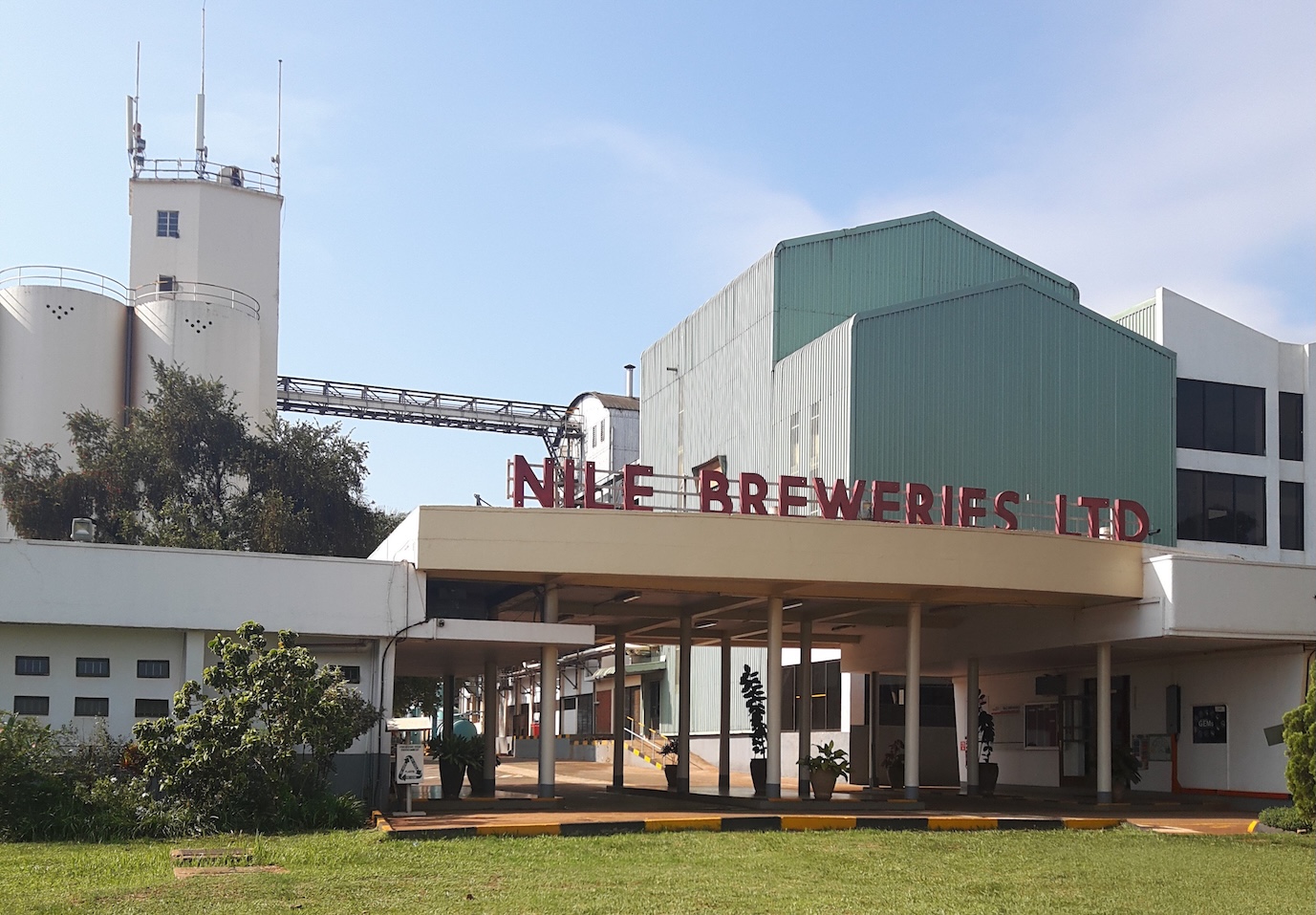
The Nile Breweries scandal involving the Majok siblings has exposed significant weaknesses in corporate governance, oversight, and financial accountability. However, this case is not an isolated incident—it is part of a growing internal fraud crisis in Uganda. Businesses across the country are losing billions due to insider fraud, weak corporate controls, and ineffective enforcement.
According to the PwC Global Economic Crime and Fraud Surveys (2020, 2022, and 2024) and the Uganda Police Annual Crime Report 2024, internal fraud remains one of the most financially devastating forms of corporate crime. In 2024 alone, Ugandan businesses lost over USD 272 million (UGX 1.02 trillion) to fraud, cybercrime, and financial misconduct, marking an alarming increase from previous years.
Governance and Oversight: A Systemic Breakdown
A fundamental principle of corporate governance is ensuring that conflicts of interest do not compromise decision-making. In the case of Nile Breweries, the most glaring governance failure was allowing Darwin Majok, the National Trade Marketing and Key Accounts Manager, to report directly to his sister, Amou Majok, the Country Marketing Lead. This arrangement not only violated basic governance norms but also created a pathway for unchecked financial fraud.
Key governance questions:
- Lack of Internal Controls: What specific internal controls were in place to prevent conflicts of interest in budget oversight, and why did they fail? If mechanisms existed, how did they allow two close family members to have unchecked control over substantial marketing and sales budgets?
- Absence of Family Employment Restrictions: Did the company have policies in place to prevent close relatives from working in the same department, especially in supervisory roles? If not, why? The absence of such a policy suggests either a lack of foresight or a failure in enforcement.
- Due Diligence and Approval Processes: Did the company conduct background checks or due diligence before promoting Darwin Majok? More importantly, who approved the decision for him to report directly to his sister, and at what level was this decision sanctioned?
- Lessons Learned: In light of this scandal, what corrective measures is Nile Breweries implementing to ensure such governance failures do not recur? A failure to address these issues will further erode trust in the company’s leadership.
The Internal Fraud Epidemic: Why It Persists
Fraud within Ugandan companies is on the rise, and internal fraud committed by executives and employees remains a significant threat. The PwC 2024 survey found that senior management was responsible for 43% of economic crimes, while operational staff accounted for 24%.
Internal fraud thrives due to:
- Weak Enforcement: Only 14% of fraud incidents were reported to regulators in 2020. By 2024, many companies still preferred handling fraud internally to avoid reputational damage, leading to a culture of cover-ups.
- Financial Statement Manipulation: Executives override internal controls to inflate revenue figures, hide losses, or create fraudulent financial statements to siphon funds.
- Procurement Fraud: Employees collude with vendors to inflate contract prices, receive kickbacks, or approve payments to ghost suppliers.
- Payroll Fraud: Fraudsters create ghost employees or manipulate payroll systems to steal from company accounts.
- Insider-Enabled Cybercrime: Employees with IT access collaborate with hackers, leak sensitive data, or delete transaction records to erase evidence of fraud.
The Uganda Police Crime Report 2024 further highlights the persistence of internal fraud, with embezzlement and forgery cases rising sharply in corporate institutions.

Financial Oversight Failures: How the Fraud Went Undetected
Fraud of this magnitude is rarely spontaneous; it thrives in environments where oversight is weak, and financial controls are either insufficient or easily bypassed. Nile Breweries, like all multinational corporations, should have robust financial monitoring systems, yet this fraud went undetected for a prolonged period.
 Deal Makers: Meet Deloitte Advisors Behind Absa’s Acquisition of StanChart’s Wealth and Retail Business in Uganda
Critical financial oversight concerns:
- Weak Budget Controls: Given that marketing and sales promotions constitute one of the largest budget items in the company, why was there no independent verification or stricter approval processes in place?
- Audit Gaps: How frequently does Nile Breweries conduct financial and operational audits, and what loopholes allowed this fraud to persist?
- Whistleblowing Mechanisms: Were there any warning signs from employees or third-party vendors that went unheeded? An effective whistleblowing mechanism should have detected these irregularities much earlier.
- Future Safeguards: In response to this scandal, how does Nile Breweries plan to strengthen its financial monitoring systems? Will the company introduce more rigorous budget approvals, particularly in high-risk departments like marketing and sales?
The Role of Senior Management: Accountability and Consequences
The accountability question looms large in this scandal. Fraud of this scale suggests a deeper cultural issue within Nile Breweries, where oversight was either neglected or intentionally ignored.
Senior management accountability issues:
- Ignored Red Flags: Did senior management receive red flags from vendors about unpaid dues before the investigation began? If so, why were these concerns not acted upon immediately?
- Responsibility for Oversight Failure: Who is ultimately responsible for this oversight failure? Will any senior executives face disciplinary action for their negligence?
- Rebuilding Trust: The company’s reputation has been significantly damaged. How does Nile Breweries plan to regain trust among suppliers, customers, and investors?
- Legal Consequences: Beyond internal disciplinary measures, is there potential for legal action against those involved? Will Nile Breweries pursue restitution to recover the lost funds?
- Scope of the Investigation: Have other departments been implicated in similar fraudulent activities?
Future Preventative Measures: Strengthening Governance and Internal Controls
To prevent similar scandals, companies must proactively strengthen their corporate governance frameworks. Nile Breweries must take decisive action to ensure accountability and restore credibility.
Essential governance reforms:
- Independent Compliance Oversight: Has Nile Breweries considered appointing an independent compliance officer or fraud risk management team to oversee financial transactions?
- Policy Reforms: Are there plans to revise hiring and promotion policies to prevent conflicts of interest in the future?
- Impact on Business Strategy: How will this scandal affect future marketing and sales strategies?
- Commitment to Transparency: What assurances can Nile Breweries give to employees and external stakeholders that similar governance failures will not happen again?
- Isolated Case or Symptom of a Larger Problem? Given the extent of the fraud, does the company believe this was an isolated case, or are there concerns that similar financial misconduct exists in other departments?
Conclusion: A Wake-Up Call for Corporate Uganda
The Nile Breweries fraud scandal is not just about two siblings exploiting a weak governance system—it is a broader warning for corporate Uganda. It highlights the urgent need for stronger internal controls, ethical leadership, and regulatory enforcement.
Corporate governance should not be an afterthought but a fundamental pillar of business sustainability. Companies must recognize that ignoring these principles does not only lead to financial losses but also erodes stakeholder trust. For Nile Breweries, the road to redemption lies in transparency, accountability, and a commitment to preventing future governance failures.