By Helena Mayanja
There are moments when illness does not just test the body; it tests a family’s stability, dignity, and future. In Uganda today, too many households face that reality. A diagnosis of sickle cell disease, a child born with a heart defect, or the need for urgent surgery can instantly turn years of hard work into hospital bills, debt, and desperate fundraising efforts. Rising disease burden and limited access to specialised care continue to stretch families to their breaking point.
In October 2025, dfcu Bank formalised a three-year Corporate Social Investment partnership with Rotary Uganda, committing UGX 1 billion to structured nationwide medical interventions under Rotary’s Disease Prevention and Treatment pillar.
For dfcu Bank, whose purpose is to Transform Lives and Businesses in Uganda, transformation must extend beyond financial services. It must protect livelihoods, strengthen resilience, and reduce the shocks that push families into poverty. This partnership reflects a model of Social Investment that is governed, measured, and aligned with national priorities, not treated as ad hoc charity.
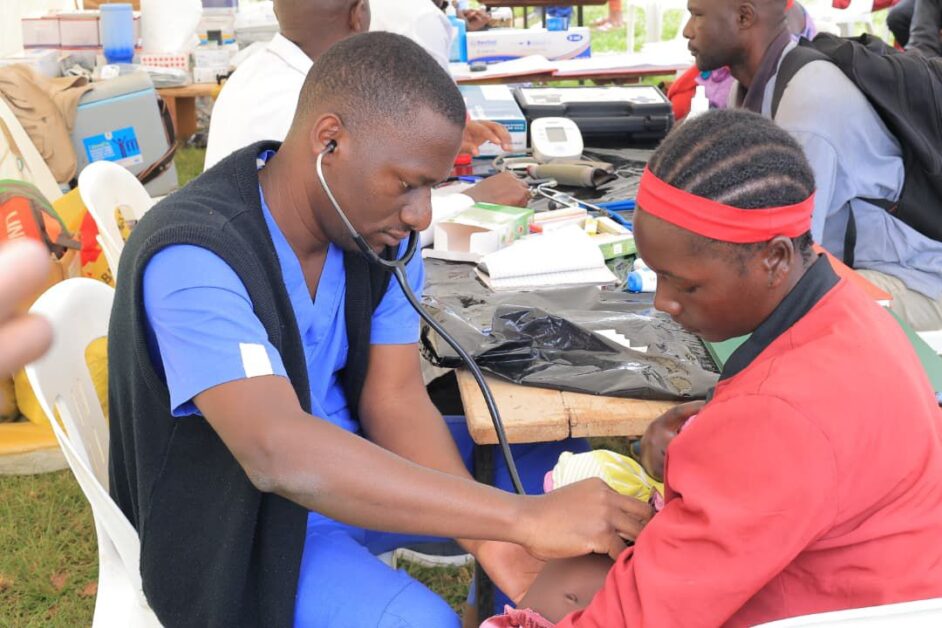
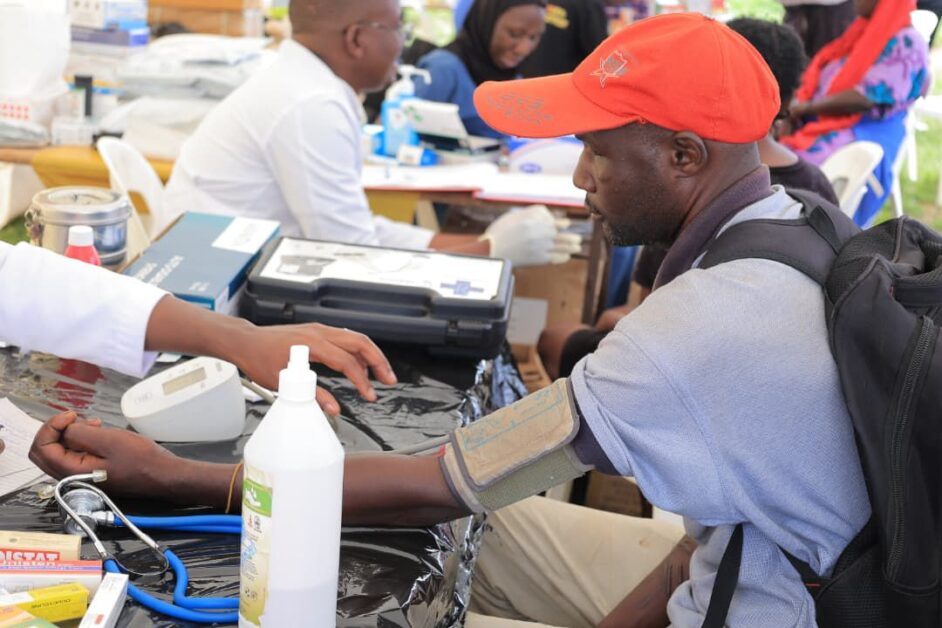
Within just three months, the collaboration has delivered tangible results. A total of 21,790 vulnerable Ugandans has accessed essential medical services through eleven large-scale health camps. 4,414 sickle cell screenings have enabled early detection and preventive care. In West Nile, 2,536 surgeries have strengthened regional surgical capacity. In Mbarara, 22 children received life-saving heart surgeries; procedures that would otherwise have remained financially out of reach for many families.
These interventions reinforce the Bank’s broader sustainability philosophy, which links economic inclusion, social empowerment, and environmental stewardship to long-term national development. Health access is inseparable from economic stability. When families avoid catastrophic medical expenses, businesses stay open, children remain in school, and savings are preserved.
By decentralising care and supporting local medical teams in Arua, Masaka, Mbarara, Mukono, Ngora, Ibanda, and surrounding regions, the initiative not only improves immediate health outcomes but also protects livelihoods and strengthens community resilience.
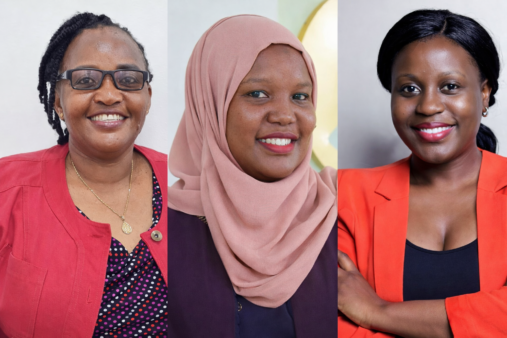
 Women in Their Prime: Corporate Africa’s Greatest Growth Advantage
This approach mirrors how sustainability is embedded across the Bank’s operations, with a consistent objective: build systems that strengthen communities rather than leave them vulnerable to shocks. In 2024 alone, dfcu Bank invested UGX 1.3 billion in society-focused programmes while continuing to deepen financial inclusion.
As healthcare costs rise and disease prevalence persists, structured partnerships between private institutions and community actors are increasingly essential to national resilience.
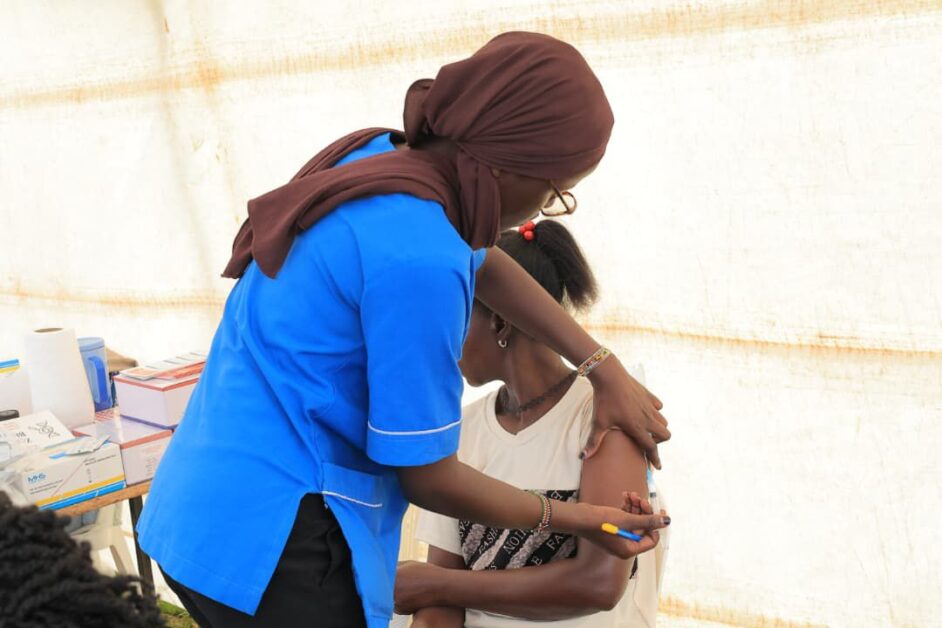
Through its UGX 1 billion commitment and its wider sustainability investments, dfcu Bank is expanding access to care, strengthening local systems, and delivering measurable impact at scale.
Transformation is most meaningful when it reaches those who need it most: one screening, one surgery, one saved life at a time.
Helena Mayanja is the Head – Corporate Affairs and Sustainability, dfcu Bank