What once appeared to be a triumph of state intervention is now unraveling into one of Kenya’s most gripping governance crises.
In the wake of the 2022 fuel shortages, marked by endless queues, public frustration, and a fragile energy system, government stepped in with a bold fix.
The 2023 Government-to-Government (G2G) fuel supply deal promised stability, and for a time, it delivered. Fuel flowed. Prices steadied. Even global turmoil failed to shake Kenya’s supply lines.
But beneath this calm, something was quietly shifting. Now, as investigators dig deeper, a troubling picture is emerging; one of alleged manipulation, deception, and calculated exploitation of a nation’s vulnerability.
Authorities are currently probing claims that senior officials within the petroleum supply chain deliberately distorted fuel stock data. The alleged goal: to manufacture fear, a looming shortage that did not exist, a crisis engineered on paper.
An emergency fuel shipment, procured outside the G2G framework, was rushed in at a steep price, far above agreed rates, in blatant disregard of procurement laws.
Worse still, reports suggest the fuel itself was substandard. What was meant to secure the nation had instead exposed it.
The fallout has been swift and dramatic.
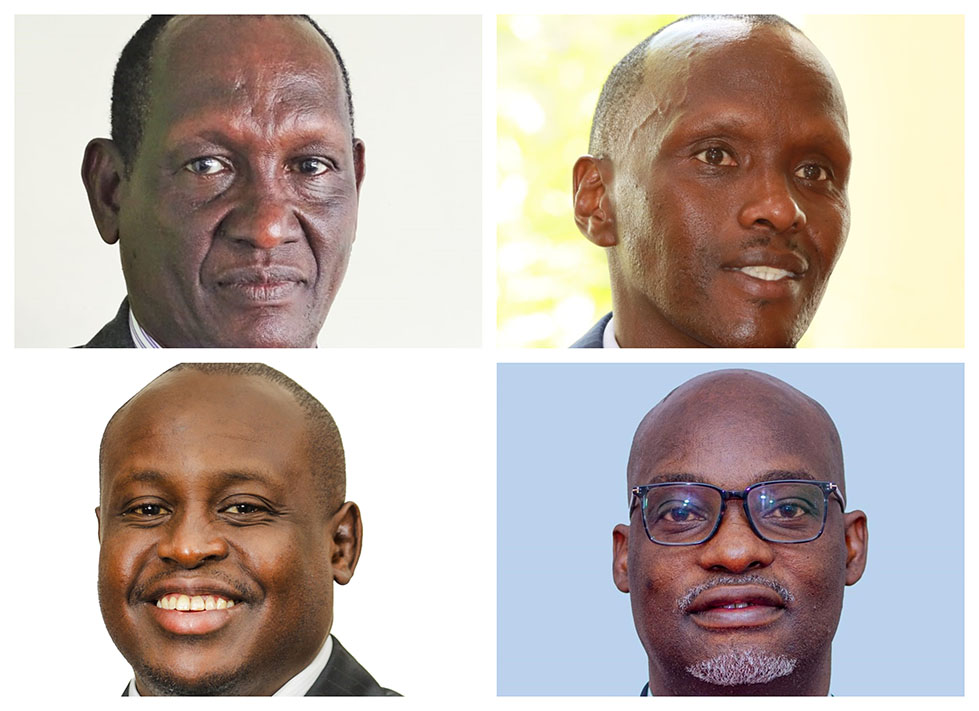
At the center of the storm, Mohamed Liban, Principal Secretary for Petroleum, has stepped down. Joe Sang, Managing Director of the Kenya Pipeline Company, has resigned amid mounting pressure, while Daniel Kiptoo Bargoria, Director General of EPRA, has also exited his position.
Meanwhile, Joseph Wafula, Deputy Director of Petroleum, is facing administrative action, and Joel Mburu, Supply and Logistics Manager at KPC, is undergoing internal disciplinary processes.
In a striking escalation, investigative agencies have already effected arrests of principal officeholders, signaling that this is no longer just an administrative issue, but a full-blown criminal inquiry.
Inside Kenya Pipeline Company, tension is palpable. The board has publicly acknowledged the unfolding situation, confirming it is closely tracking developments surrounding Joe Sang and others, while engaging state agencies to uncover the truth.
Yet even as the storm rages, operations must continue. In a move to steady the ship, Pius Mwendwa, the General Manager for Finance, has stepped in to temporarily discharge the duties of Managing Director, with assurances that pipeline operations remain stable and unaffected.
But the real question lingers: How deep does this go?
Government has made its position unmistakably clear. This is a matter of national interest, a test of institutional integrity and a firm stand against economic sabotage. Every document, every decision, every actor is now under scrutiny.
As investigators continue to peel back the layers of this unfolding scandal, Kenya finds itself confronting an uncomfortable truth: the greatest threat to national stability may not come from global markets, but from within.
And as the inquiry intensifies, one thing is certain, this story is far from over.
 Allan Chekwech Steps into Daniel Kalinaki's Big Shoes at NMG Uganda
The events happening in Kenya are also closely being watched in the region, particularly in Uganda because, Uganda’s fuel lifeline runs through Kenya.
Most of Uganda’s petroleum products are imported via the Kenyan corridor, particularly through the Port of Mombasa and the Kenya Pipeline Company infrastructure.
Any instability, corruption, or disruption within Kenya’s fuel supply chain directly affects Uganda’s fuel availability, pricing, and overall energy security.
The scandal also exposes systemic vulnerabilities in regional supply chains.
The alleged manipulation of fuel stock data in Kenya shows how easily market perception can be distorted.
For Uganda, this is a warning: even when supply appears stable, internal governance failures in a partner country can create artificial crises that ripple across borders.
The situation also raises questions about regional trust and agreements. The G2G framework was designed to stabilize supply across the region, not just Kenya.
If that framework is bypassed or abused, Uganda must reassess how secure and transparent these agreements really are and whether safeguards are strong enough.
But in also this, there is a strategic dimension: this scandal may push Uganda to diversify its fuel import routes, accelerate alternative pipelines (like the EACOP ecosystem), or strengthen direct procurement channels to reduce dependency on a single corridor.
In short, this isn’t just Kenya’s problem, it’s a regional stress test. For Uganda, it’s both a risk and a warning: energy security is only as strong as the weakest link in the supply chain.
Meanwhile, as Kenya grapples with its own unfolding fuel scandal, a parallel tremor is being felt across the border in Tanzania.
President Samia Suluhu Hassan has taken decisive action, firing James Mwainyekule, the Director General of the Energy and Water Utilities Regulatory Authority, following a sharp and unprecedented surge in fuel prices.
The move comes at a time when Tanzanian motorists are reeling from record pump prices, with petrol jumping by over 30% in a single review cycle, driven largely by global shocks linked to the ongoing Middle East conflict.
The spike has pushed petrol prices in Dar es Salaam to around Tsh3,820 per litre, with some inland regions crossing the Tsh4,000 mark, intensifying pressure on households and businesses alike.
While regulators have pointed to external factors; rising global oil prices, disrupted shipping routes, and soaring insurance costs, the political response signals something deeper: a growing intolerance for regulatory failure in the face of economic strain.
The dismissal underscores a broader regional reality; governments are now under immense pressure to act swiftly and decisively as fuel shocks ripple through East Africa’s interconnected economies.