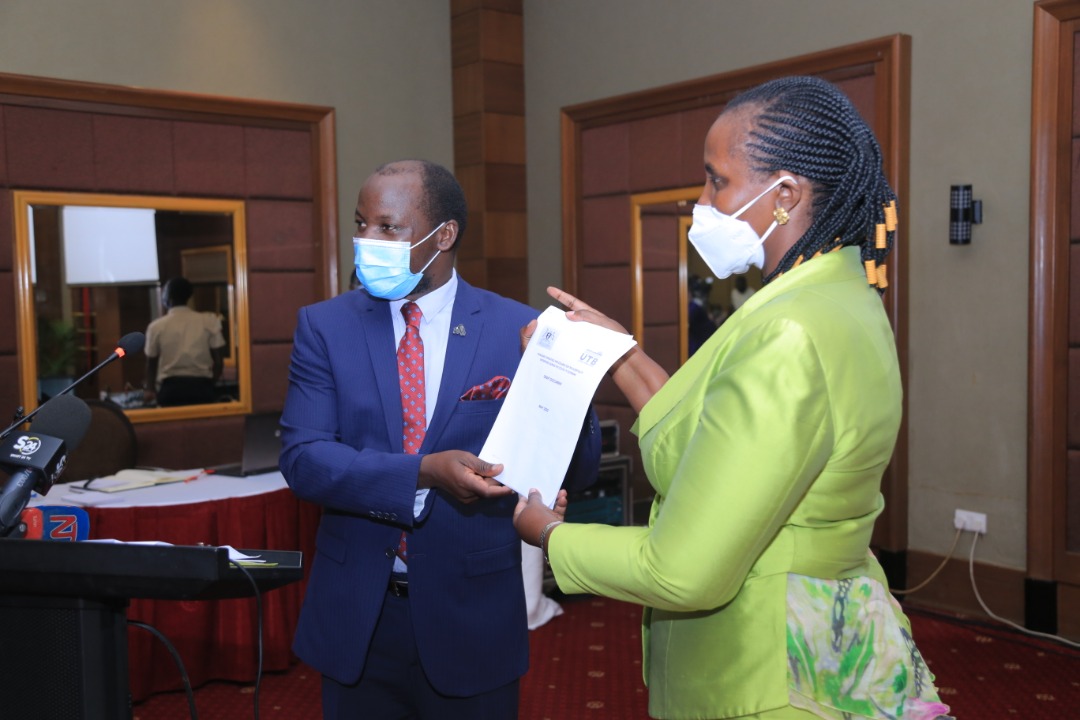
Below, we reproduce the guidelines by the Tourism Ministry and the Uganda Tourism Board (UTB) this month.
- Introduction
The global outbreak of the Covid ’19 pandemic has had a profound impact on the tourism industry. In the case of the Hospitality sector, the initial measures to curb the spread of the virus necessitated a closure of all hotel and restaurant services.
The hospitality sector has been especially vulnerable to the Covid ’19 pandemic because the high convergence of people and interaction among guests and staff serviced in these enterprises.
As the Covid ’19 situation evolves and the government lifts the restrictions on the operation of these enterprises, there is a need to guide the enterprises on measures to ensure the safety of guests and workers during and post this pandemic.
The Ministry of Tourism, Wildlife and Antiquities (MTWA) and the Uganda Tourism Board (UTB) have designed a protocol on the preparedness and response for Covid-19 pandemic for the tourism and hospitality industry in Uganda.
The guidelines were produced in consultation with the stakeholders and aim to support private sector to recover from an unparalleled crisis with public health as the primary concern.
These protocols are based on the current guidelines of the Ministry of Health and industry best practices in regard to health and safety standards. They will continuously be revised and updated as new information and guidance is received from the health authorities.
- Objectives of the Protocols
The purpose of these guidelines is to minimize the risk of the spreading the Covid ’19 virus on the ensure se guidelines have been developed to ensure the health and safety of guests and staff through a coherent and well coordinated guidelines supported by the latest medical evidence and management of the pandemic.
2. Share harmonized and consistent protocols which are outcome driven, simple and practical for implementation by the enterprises.
3. Rebuild trust and confidence with travellers through effective communication & marketing; letting them know the protocols implemented and assurances available to keep them safe.
- The Standard Operating Procedures
These protocols include the implementation of check procedures where appropriate, including temperature scans, testing, physical distancing, enhanced frequency of cleaning and the provision of hygiene kits for safe air travel, hospitality services or safe events.
Attention should be made to the aspects of lodging and other services like food and beverage, cleaning and the interactions specific to these establishments (guest-guest, guest-staff, and staff-staff).
- Pre-Opening Protocols
- Management Preparation
Management should appoint a Covid ’19 management team headed by the Team leader, ideally an officer in a senior management position and a specially appointed officer from each of the operational departments.
- Management Action Plan
Management should conduct a Covid ’19 risk assessment and identify the risk factors affecting the enterprise
Management should develop an action plan to address the risk factors identified in the situational assessment in accordance with the recommendations of local and national public health authorities with the aim to prevent cases, effectively manage cases, and mitigate impact among clients and staff, including cleaning and disinfection of rooms occupied by ill persons.
The plan which may incorporate teleworking should be updated when necessary as a consequence of new guidance, procedures or regulations issued by the pertinent authorities.
- Record Keeping
Management should maintain a record of the important observations and actions taken in the management of the Covid’19 pandemic at the property (e.g. including date and time a disinfectant was used, by whom, where, etc.). This logbook can be used to improve the actions implemented.
- Mobilization of Resources
The Management Team should avail sufficient human and economic resources to ensure that the action plan can be implemented rapidly and effectively.
The action plan should also include the provision of equipment and procedures developed in collaboration with local health authorities for the management of suspected case(s) and their possible contacts.
- Fumigation and Health Check
As part of the pre-opening procedures, all enterprises are required to conduct a comprehensive fumigation exercise of the property and general health inspection of staff.
- GENERAL HEALTH AND SAFETY PROTOCOLS
The following measures that have been communicated by the Ministry of Health, Local Health Authorities and World Health Organization should be strictly adhered to all times:
Social distancing measures together with frequent hand hygiene and respiratory etiquette are the main measures to prevent transmission of COVID-19. Although it is probable that guests are already familiar with these measures, they should be reminded as a form of hospitality.
- Social Distancing
Social distancing includes refraining from hugging & shaking hands with guests as well as among fellow staff. It involves maintaining a distance of at least 1m (3 ft.) and avoiding anyone who is coughing or sneezing.
- Hand Washing
Hand hygiene means regularly and thoroughly cleaning hands with an alcohol-based hand rub or washing them with soap and water. Also avoid touching eyes, nose, and mouth. Hand disinfection is indicated after exchanging objects (money, credit cards) with guests.
- Respiratory Hygiene
Respiratory etiquette means covering mouth and nose with bent elbow or tissue when coughing or sneezing. The used tissue should be disposed of immediately in a bin with a lid.
- Disinfection
All indoor areas such as entrance lobbies, corridors and staircases, escalators, elevators, security guard booths, office rooms, meeting rooms, cafeteria should be mopped with a disinfectant (1% sodium hypochlorite or phenolic disinfectants).
For metallic surfaces like door handles, security locks, keys etc. 70% alcohol can be used to wipe down surfaces where the use of bleach is not suitable
- Health and Safety Communication
Communication should be maintained between Management and staff in charge of the different departments in order to pre-define an information policy for guests as well as to rapidly provide and obtain information on incidents that may arise in the establishment and to know the status of the situation at all times.
Providing guidelines to the staff on how they should communicate the action plan to guests and other stakeholders can ensure alignment consistency.
Short documents or informative posters can amplify the key messages among guests and staff, including:
- Promoting of hand washing
- Respiratory hygiene
- Basic Hygiene practices
- Coughing etiquette
- Contact information of key staff personnel
- Emergency Telephone number
Official leaflets on basic hygiene practice and COVID-19, in different languages, could be useful information tools.
It is useful to have an up-to-date list of the contact information of the staff, including emergency telephone numbers.
- Health and Safety Training
Management should inform all staffs of the measures to be adopted and the measures that could protect their health and that of others including the recommendation to stay home and seek medical attention if they have respiratory symptoms, such as coughing or shortness of breath.
Management should organize information briefings that should cover all the basic protective measures against COVID-19 and the signs and symptoms of the disease. Training may be needed for specific procedures.
- DEPARTMENTAL PROTOCOLS
- Reception and Concierge
Front desk agents shall practice social distancing, utilizing every other workstation to ensure separation between employees whenever applicable and possible. Contactless check-in, including mobile check in/check out and pre-key group arrivals are encouraged, when feasible, to reduce lobby population and front desk queues. In addition, contactless payment processes are encouraged, and when not available, employees should minimize contact as much as possible.
- Information and Communication
Reception desk staff should be sufficiently informed about COVID-19 so that they can safely carry out their assigned tasks and prevent the possible spread of COVID-19 within the establishment.
They should be capable of informing guests who inquire about the establishment’s policy in terms of the preventive measures established or other services that guests may require (for example, medical and pharmacy services available in the area or at the establishment itself).
They should also be able to advise guests with respiratory symptoms to stay in their rooms until they are seen by a doctor. Management should arrange immediately as well as provide basic hygiene recommendations whenever asked.
Reception desk staff, if possible, should not be with any underlying health conditions.
Reception staff should have face masks and are advised to use face guards
 World Bank bans PwC Africa, Rwanda and Kenya affiliates from Bank Group-financed projects over fraudulent practices
Reception desk staff must take all necessary precautions, including physical distancing.
Official, up-to-date information should be available about travel to and from countries or areas where COVID-19 is spreading.
Reception Desk staff should be familiar with the room occupancy policy for accompanying persons in the event of a suspected case of COVID-19.
The reception desk should have immediately available the telephone numbers of the health authorities, medical centers, public and private hospitals, and assistance centers for use whenever there is the possibility that a guest may be ill.
- Equipment at Reception Desk
The reception desk should have a medical kit that includes the following items:
- Germicidal disinfectant/wipes for surface cleaning Tissues.
- Face/eye masks (separate or combined, face shield, goggles). Note that disposable face masks and gloves can only be used once
- Protective apron (disposable)
- Biohazard disposable waste bag
- Monitoring Guests
While observing regulations in relation to the protection of personal data and the right to privacy, it is advisable to monitor potentially ill guests in the establishment. Reception staff should note all relevant incidents that come to their knowledge, such as requests for doctor’s visits. This information will aid guests through appropriate advice, facilitating early detection, and rapid management of suspected cases with local health authorities. Reception staff must treat all this information with discretion, leaving it up to the management and to medical services to evaluate the situation and make appropriate decisions.
- All staff in the Reception and Lobby area must wear a face mask as directed by the health authorities. All staff must maintain the social/personal distancing, as far as practical, at all times
- Obtain information in a form filled with the registration card with information such as, country of origin, flight details, date of arrival in Uganda, whether they have visited any of the infected countries over the past 2 months and next destination.
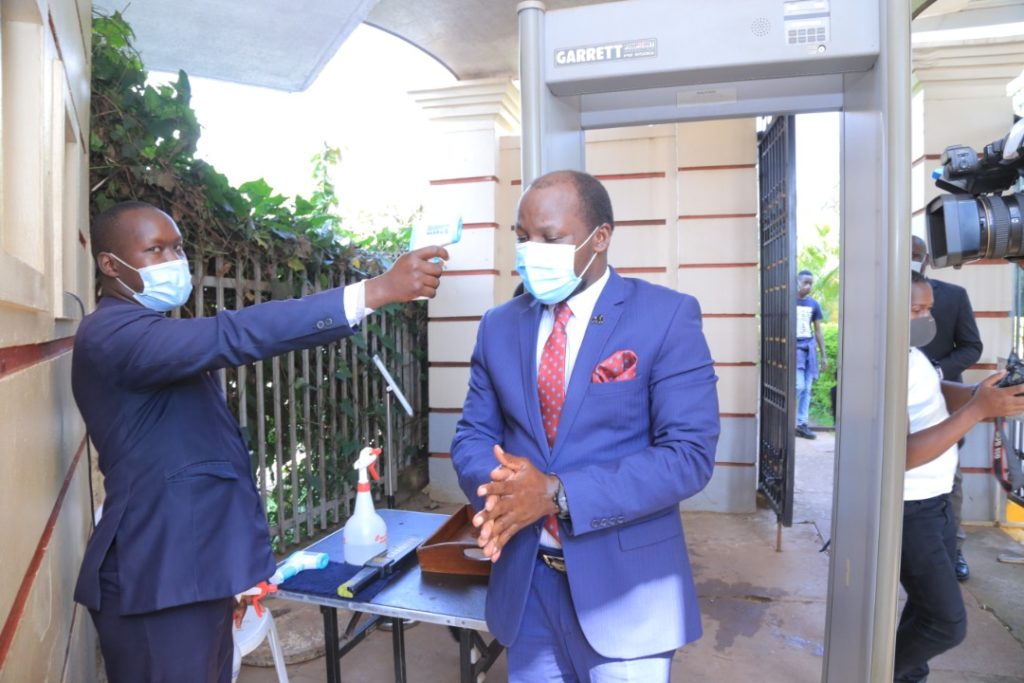
- Check and record temperature and respiratory symptoms of all guests at the point of checking in. Persons with fever and/or respiratory symptoms to be subjected to a check-up by a Doctor before being permitted to enter the guest rooms. Designate a suitable, comfortable and well laid out room to accommodate the guests during this procedure.
- Guest Management
- Avoid the use of recyclable cold towels when welcoming the guests.
- Serving the welcome drink must wear disposable gloves. Ensure that the welcome drinks (if served chilled) are stored in sealed containers. Encourage the use of hot drinks where possible. Use of indigenous drinks with known immunity enhancement value must be encouraged. Ensure that the use of straws and decorations are minimized when serving the drink.
- Arrange checking-in and check-out and any interaction with guests in such a manner that adequate personal distancing is observed between guests and staff.
- Avoid sharing Telephone instruments with the guests. If the guest needs to use a telephone instrument during check-in check-out process, have a designated instrument to be used only by the guests. Ensure the designated instrument is disinfected with Alcohol based disinfectant after every use.
- Do not share pens and pencils with the guests. Have dedicated pens and pencils to be used by the guest as required. Disinfect with Alcohol solution after every use.
- Staff must use disposable gloves when handling credit cards, cash and any documents such as passports given by the guests. After each such transaction the disposable gloves must be properly discarded and hand sanitization carried out.
- Encourage the use of paperless systems for checking in and billing. Minimize the use of paper where possible.
- Sanitize all key card or key tags, every time it is returned to the reception, before reissuing. All key cards or key tags must be sanitized before issuing to a guest.
- Inform the guest verbally and/or using messages to the phone not to leave the room if the guest feels unwell but to inform the reception. The reception will arrange to obtain medical assistance to assess the condition of the guest and further action is to be taken as per the medical advice.
- If guests are to be escorted to the room, avoid the use of crowded elevators as far as practically possible. Use the staff elevator when returning. Avoid touching any surface inside the elevator as far as practically possible. (Exception – Use of control buttons in the hall or in the lift car. Use a disposable glove or finger guard.)
- Ensure that adequate numbers of hand sanitizers are always available at the front desk
- MAINTENANCE SERVICESWater Disinfection
Maintain the concentration of disinfectant in water for consumption and in pools or spas within the limits recommended according to international norms and standards.
- Laundry
The proper functioning of laundry equipment should be checked, particularly the operating temperatures, as well as the correct dosage of cleaning and disinfecting chemicals.
Linens may become contaminated with the virus, so it is also important to add disinfectant when washing laundry. Bed scarfs and bedspreads should be washed more frequently.
- Do not shake out dirty laundry.
- Launder linens, clothing, and clothing bags on the warmest setting possible.
- Air Conditioning
Attention should be given to monitoring the condition of filters and maintaining the proper replacement rate of indoor air.
The proper functioning of ventilation, air exchange, and dehumidification equipment of covered pools should be checked.
- Dispensers
Regular checks should be carried out to ensure the proper functioning of soap and disinfectant solution dispensers, hand dryers, disposable tissue dispensers, and other similar devices. Defective units should be rapidly repaired or replaced.
The hotel action plan should include installing units to dispense disinfectant gel in the different areas of the hotel, including the public restrooms used by guests and by staff, and other areas of interest (e.g. entrance to the dining hall, restaurants, and bars).
- Elevators
- Discourage the use of crowded elevators. Reduce the number of persons permitted to be in the lift at any given time by prominently displaying such notices and using the lift controls if possible.
- Implement a very regular and frequent procedure to disinfect the elevator control buttons and hand rails. Implement a system to disinfect the entire lift interior at a predetermined interval (every 2 hours/whenever needed). The use of alcohol based disinfectant is recommended.
- If the control panels are susceptible to adverse effects due to the use of disinfectants for regular cleaning, consider the use of a removable clear sheet to cover the control panel. Arrange to clean the clear covering sheet regularly and replace as necessary.
- If the floor covering of the lift car is not an easily cleanable surface such as carpeting, consider the use of a temporary cover (such as clear plastic sheeting) conducive for cleaning and disinfecting.
- Ensure that the lift ventilating system is functioning effectively to ensure the design air changes are maintained.
- The floor and wall finishes of the Service elevator must be conducive for easy cleaning and disinfectant.
RESTAURANTS AND BARS
5.1 Social Distancing
- Indoor seating capacity: Limit indoor occupancy to 50% of seating capacity.
- Bar: Tables within designated “bar areas” may be used for general seating subject to the same limitations as all other tables in the restaurant.
- Spacing: Update floor plans for common dining areas, redesigning seating arrangements to ensure at least six (6) feet of separation from seating-to-seating.
- Spacing requirements also apply to outdoor dining areas. Clear paths must be designed to allow patrons to enter and exit the outdoor dining area without breaking the six (6) feet social-distancing barriers.
- Party type: Enforce social distancing for those not residing together.
- Waiting areas: Do not allow patrons to congregate in waiting areas. Design a process to ensure patron separation while waiting to be seated or pick up their take-away order; the process can include ground markings, distancing, or waiting in cars.
- Separate entrances: If possible, use an exit from the facility separate from the entrance.
- Vendors: Remind third-party delivery drivers and any suppliers of distancing requirements.
5.2 Reducing Contact
- Establish clear paths: Mark ingress/egress to and from restrooms to establish paths that mitigate proximity for patrons and staff.
- Limit contact with guests: Limit contact between workers and patrons by reducing the number of visits wait staff takes to each table.
- Reservations: Where practical, implement a call-ahead seating model.
- Menus: The use of non-touch or disposable paper menus discarded after each patron use is strongly encouraged. If not feasible, reusable menus should be cleaned and sanitized after use.
5.3 Operations & Employee Protocol
- Screen employees: Screen all employees reporting to work daily for COVID-19 symptoms with the following questions:
- Have you been in close contact with a confirmed case of COVID-19?
- Are you experiencing a cough, shortness of breath, or sore throat?
- Have you had a fever in the last 48 hours?
- Have you had new loss of taste or smell?
- Have you had vomiting or diarrhea in the last 24 hours?
- Temperature checks: Employees are encouraged to take their temperature prior to leaving for work. If their temperature measures over 37 degrees, the employee should notify management and seek medical attention.
5.4 Opening Restaurants and Bars
- Sick employees: Direct any employee who exhibits COVID-19 symptoms (i.e., answers yes to any of the screening questions or who is running a fever) to leave the premises immediately and seek medical care and/or COVID-19 testing, per Ministry of Health guidelines. Employers should maintain the confidentiality of employee health information.
- At-risk individuals: Consider special accommodations for employees that are members of a vulnerable population, like senior citizens or immune compromised people, including encouraging teleworking to the maximum extent possible among other measures.
- Tracing: Develop and implement policies and procedures for employee contact tracing following employee with a positive COVID-19 test and inform the local health department of such positive test and tracing.
- Training: Train all employees on the importance and expectation of increased frequency of hand washing and the use of hand sanitizers with alcohol; provide clear instruction to avoid touching hands to face.
- Face coverings: Require all employees to wear cloth or disposable face coverings at all times. Such coverings shall be cleaned or replaced daily.
- Preparation: Thoroughly detail, clean, and sanitize the entire facility prior to resuming dine-in services and continue to do so regularly, focusing such cleaning and sanitation on high contact areas that would be touched by employees and patrons.
- Cleaning solutions: Cleaning products and protocols shall include use of disinfectants effective against viruses, bacteria and other airborne and blood borne pathogens.
- Sanitizing between each customer: Between diners, clean and sanitize table condiments, digital ordering devices, check presenters, self-service areas, tabletops and bar tops, chairs and commonly touched areas. Discard any single-use items left by the last patron.
- Back-of-house cleaning: Implement procedures to increase cleaning and sanitizing frequency of surfaces in the back-of-house. Avoid all food contact surfaces when using disinfectants.
- Restroom cleaning: Clean and sanitize restrooms regularly, check restrooms based on the frequency of use, and ensure adequate supply of soap and paper towels at all times.
- Hand sanitizers: Provide hand sanitizer for use by patrons, including contactless hand sanitizing stations when available. If hand sanitizer is unavailable, ensure an adequate supply of hand soap is available for patrons.
5.5 Food Safety
- Disposable plates and utensils: The use of disposable containers and utensils is strongly encouraged. If disposable utensils are not available, silverware must be pre-rolled. Eliminate table presets.
- Trash bins: Where restaurants use disposable containers and utensils, restaurants must place designated trash bins where patrons can dispose of all trash at the completion of their meal to minimize contact with wait staff. Bins should be placed in areas that do not create lines for patrons practicing proper social distancing.
- Beverages: Drinks should be served in cans or bottles. If cans or bottles are not available, disposable cups are strongly encouraged.
- No self-service: No self-service food, drink, condiment or utensil stations are permitted.
5.6 Communicating with Customers
- Post signage: Post signage on entrances that no one with a fever or symptoms of COVID-19 is permitted at the facility.
- Install barriers: Where practicable, physical barriers such as partitions or Plexiglas at cash registers or ordering windows should be used.
- Use technology: Use technological solutions where possible to reduce person-to-person interaction: mobile ordering, mobile access to menus to plan in advance, text on arrival for seating, and contactless payment options.
- HOUSEKEEPING
- Cleaning and Disinfection
Special consideration should be given to the application of cleaning and disinfection measures in common areas (restrooms, halls, corridors, lifts, etc.) as a general preventive measure during the entire COVID-19 epidemic.
Special attention should be given to objects that are frequently touched such as handles, elevator buttons, handrails, switches, doorknobs, etc. Cleaning staff should be instructed accordingly.
Written recommendations for enhanced cleaning and disinfection should describe the enhanced operating procedures for cleaning, managing solid waste, and for wearing personal protective equipment (PPE).
The following should be implemented for rooms or specific areas exposed to COVID-19 cases:
- Any surfaces that become soiled with respiratory secretions or other body fluids of the ill person(s), e.g. toilet, hand washing basins, and baths should be cleaned with a regular household disinfectant.
- Color coded cleaning materials for different areas to avoid contamination.
- Service staff may require additional training in the preparation, handling, application, and storage of these products, mostly bleach, which may be at a higher concentration than usual.
- Whenever possible, use only disposable cleaning materials. Discard any cleaning equipment made of cloths and absorbent materials, e.g. mop head and wiping cloths.
- All Used items must be handled appropriately to mitigate the risk of potential transmission. Disposable items (hand towels, gloves, masks, tissues) should be placed in a container with a lid and disposed of according to the hotel action plan and national regulations for waste management disinfected.
- Cleaning crews should be trained on use of PPE and hand hygiene
- All rooms and common areas should be ventilated daily.
- Staff Personal Protection
Cleaning staff should be trained on the use of and provided with personal protection equipment as listed below:
- Gloves
- Gowns
- Closed shoes
- When conducting procedures that generate splashes (e.g. while washing surfaces), add facial protection with a face shield and impermeable aprons.
They should also have access to sufficient disinfectant solutions and other supplies.
- Guest rooms Corridors
- Ensure that the lift lobby and the corridors are regularly disinfected.
- Ensure that the fresh air supply to the guest corridors are correctly maintained to ensure adequate air changes are available.
- Implement a system of disinfecting the lift lobby and corridor surfaces regularly.
- Ensure that all door handles are disinfected regularly with alcohol water solution
- Guest Washrooms
- Disinfect frequently touched areas such as door handle, water taps, door/towel/cistern handles, and seats and cover flaps, wash basins, door knobs, buttons and switches with disinfectant regularly.
- Provide adequate supply of toilet paper, paper towels (if provided) or hand dryers and liquid soap at all times.
- Ensure toilet-flushing apparatus is functioning at all times.
- Ensure all sanitary pipes and fittings are in good working condition.
- Provide foot operated bins inside the washrooms with trash bags.
- Provide hand sanitizers outside the washrooms (preferably sensor operated)
- Monitoring Sick Guests
Housekeeping and cleaning staff should inform the management or the reception desk of any pertinent incidents, including possibly sick guests in their rooms. They must treat all this information with discretion.
7.0 HANDLING COVID-19 CASES IN HOSPITALITY ESTABLISHMENTS
7.1 General Recommendations
If a guest or staff develops symptoms of acute respiratory infection, efforts should immediately be made to minimize contact of the ill person with all guests and staff of the establishment. Reception or other hotel staff should follow the procedures in the action plan for the situation when a guest develops signs and symptoms indicative of COVID-19 as they contact the responsible health professionals.
- Separate the ill person from the other persons by at least 2 m (6 ft) in a designated isolation room.
- Request the ill person to wear a mask and practice respiratory hygiene when coughing and sneezing. If the mask cannot be tolerated by the ill person, provide tissues to cover mouth and discard the tissue immediately into a biohazard disposal waste bag or place it into an intact plastic bag, seal it, and consider it “biohazard” waste; wash hands with soap and water or alcohol-based hand rub.
- In case the ill person cannot wear a mask, direct contact with the ill person should be avoided unless wearing at least disposable gown, gloves, a mask, and eye protection.
- When attending to an ill guest or staff coming from an affected area who displays fever, persistent cough, or difficulty breathing, always use additional protective equipment, including mask, eye protection, gloves, and a gown.
- Remove PPE carefully to avoid contaminating yourself. Remove first gloves and gown, do hand hygiene; next remove the mask and eye protection, and immediately wash hands with soap and water or alcohol-based hand rub.
- Properly dispose of gloves and other disposable items that had contact with the ill person’s body fluids in biohazard bag or a secured plastic bag, which will be considered as “biohazard” waste.
7.2 Case of an affected worker
If a member of the staff reports respiratory symptoms, the staff must immediately stop work and seek medical assistance. The staff should stay isolated in a suitable room while the medical services are being notified.
Staff who report from home that they are ill with respiratory symptoms should be advised to stay at home and seek medical attention.
Staff who report from home that they have been diagnosed with COVID-19 should follow the instructions received from the health authorities, including the recommendation of self-isolation at home until fully healed.
7.3 Case of an affected guest
If the person affected is a guest of the tourism accommodation establishment, continued stay of the sick person in the establishment is not recommended. The person can be isolated in a room on a temporary basis until the intervention of local health authorities, and provided the room is not shared with other guests. No visitors should be permitted to enter the room occupied by the affected guest.
Depending on the availability of rooms, accompanying persons, if any, should be moved to a different room
Measures for the management of contacts can be referred to the health authority interim guidance on Home care for patients with COVID-19 presenting with mild symptoms and management of their contacts.