The High Court’s Commercial Division has granted businessman Thomson Ricky Rapa unconditional leave to defend himself in a high-stakes loan dispute with Ecobank.
The ruling spotlights the handling of insurance-linked loan facilities by commercial banks.
Presiding Judge Patience T.E. Rubagumya ruled that Rapa had presented bona fide triable issues deserving of a full hearing after he claimed that his UGX 180 million salary loan from Ecobank was insured against loss of income, a position the bank flatly denied.
Background to the dispute
Court documents show that Rapa applied for a salary-backed loan of UGX 180 million from Ecobank on March 2, 2023, to be repaid over 48 months at an annual interest rate of 16.9%.
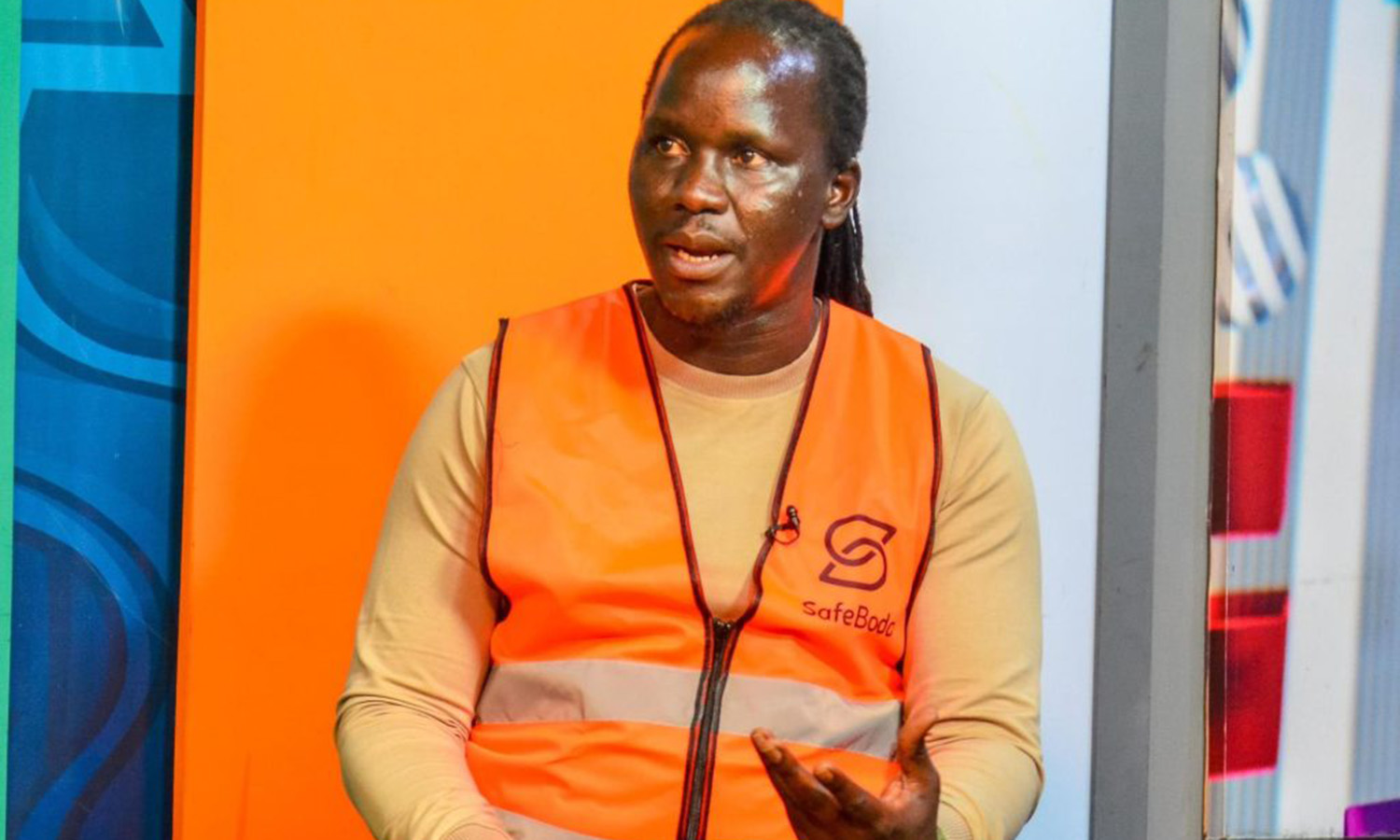
He serviced the loan for about a year but stopped in June 2024, claiming he had lost his salary following his exit as director of Safeboda Technology, his employer at the time of borrowing.
Rapa contended that the loan was covered by a loan protection insurance policy, which provided indemnity in the event of disability or loss of income.
He said Ecobank was duly informed of his loss of salary and that the matter was discussed with his employer’s human resources department.
In his affidavit, Rapa told court that on June 27, 2025, his account was credited with UGX 179.5 million, an amount that was subsequently debited and written off by July 1, 2025.
He argued that this transaction reflected the settlement of the loan through the insurance cover and that he was therefore no longer indebted to the bank.
Ecobank’s rebuttal
Ecobank, represented by its Acting Head of Legal, Dickson Kawooya Bakkabulindi, rejected the claims, insisting that no insurance cover existed for the loan in question.
The bank maintained that the loan agreement contained no clause providing for insurance against loss of income and that the loan was not contingent on salary payments, but rather on the borrower’s employment status.
In Ecobank’s view, the loss of employment amounted to default under the terms of the facility.
The bank further argued that the write-off of the loan was a regulatory accounting exercise for non-performing loans, which did not extinguish Rapa’s repayment obligation.
Bakkabulindi also maintained that Rapa remained a shareholder and director at Safeboda and could not therefore claim complete loss of income.
He urged the court to dismiss the application for lack of any genuine defense.
Insurance fees in question
However, in a rejoinder, Rapa, represented by Arinaitwe Peter & Co. Advocates, insisted that Ecobank had in fact, charged him an insurance fee but failed to procure an actual policy, breaching a fundamental term of the loan agreement.
 World Bank bans PwC Africa, Rwanda and Kenya affiliates from Bank Group-financed projects over fraudulent practices
He presented evidence from his account statement showing that UGX 1.8 million had been debited under the description “Insurance Thomas Ricky.”
He also cited Clause 7 of the loan agreement, which provided for optional insurance underwritten by an external insurer.
Rapa’s lawyers argued that since Ecobank collected money for insurance but never took out the cover, the bank should bear the loss, not the borrower.
They contended that this raised clear triable issues that must be heard in open court rather than decided summarily.
Court’s analysis
Justice Rubagumya agreed that the case presented serious factual and legal disputes that required a full trial.
She noted that while Ecobank was correct that writing off a loan does not in itself discharge liability, the circumstances surrounding the insurance deduction and the bank’s obligations under the loan agreement created a legitimate controversy.
The judge highlighted several unresolved questions, including whether the loan was indeed insured, whether Ecobank breached the loan contract by failing to take out the insurance policy despite charging a fee, whether the borrower’s loss of income triggered indemnity under the alleged cover, and whether Rapa remained indebted after the write-off.
“These are triable issues of law and fact,” Justice Rubagumya ruled, adding that the case “falls outside the ambit of summary procedure” and must proceed to a full hearing.
Court orders
Court granted Rapa unconditional leave to appear and defend Civil Suit No. 837 of 2025, directing him to file his defence within 15 days, and for Ecobank to reply within the same timeframe thereafter.
The costs of the application were ordered to abide by the outcome of the main suit.
Wider implications
The ruling has reignited debate around transparency in loan insurance practices by commercial banks in Uganda.
Legal analysts note that the case could set an important precedent on whether charging for loan protection insurance without securing cover constitutes a breach of contract.
If Rapa succeeds in the main suit, banks may be compelled to reform disclosure and documentation standards in consumer lending, especially for salary-backed and unsecured loans.