Uganda risks losing its trade and investment gains made with the Democratic Republic of Congo after an estimated 100 cargo trucks from Kenya’s Mombasa Port and Uganda remain stranded along the Northern Corridor route over the ongoing war.
Goma city, a major export destination for Ugandan products in the eastern DRC turned bloody yesterday as the M23 rebels overran the city and continued to cause havoc forcing Ugandan traders to halt any trade activities until the situation normalises.
William Busulwa, the Chairperson Uganda National Transporter Alliance while speaking to the CEO Magazine said out out of the estimated 100 cargo trucks, at least 15 known fuel tankers carrying an average of 450,000 litres of fuel heading directly into Goma were stuck on various routes in Uganda and on the DRC- Rwanda border waiting for the situation to normalise.
However, Mr Busulwa said Mpondwe town, one of the three busiest border crossings between Uganda and the Democratic Republic of the Congo, has remained operational for Ugandan trucks travelling through Beni, Butembo to Kisangani and other major DRC towns.
Other disturbing details emerging from another Ugandan trader show how M23 rebels are using the war to profit from Ugandan truck drivers crossing through their captured DRC territories such as the Bunagana border town where the drivers are forced to pay hefty fees and illegal taxes.
“We stopped yesterday to make our way into Congo until the situation normalises,” Busulwa said.
Mr Busulwa also revealed how Congolese traders also use Uganda as a major transit and storage hub for their imports before final shipping into other parts of Congo.
In September 2024, the DRC and Uganda held a significant Joint Technical Committee (JTC) meeting in Goma, aimed at reaffirming their common border and also identified Goma, which despite ongoing security challenges, has emerged as a key economic hub. Several
Ugandan companies, such as Movit and Lato, have already established a strong presence in the region, benefiting from the market potential of the densely populated Kivu area.
Charles Mwebembezi, the Chairperson of the Uganda Freight Forwarders Association said he was aware of some business disruption because of the war but couldn’t quantify the extent by press time.
“I’m informed the Uganda government has increased deployment at the border to control the situation,” Mr Mwebembezi said.
 TotalEnergies EP Hit With $100,000 Penalty Over Delayed Tax Audit Disclosures in Uganda
Thaddeus Musoke Nagenda, the Kampala City Traders Association (KACITA)Chairperson acknowledged that some Ugandan traders were stuck in Goma areas and hoped that the government finds an avenue to follow up and bring them back.
“Some traders are stuck and are in hiding. We pray they stay safe. War is something very tricky, we shall feel the pinch unless it is solved quickly,” Mr Nagenda said.
“We’re counting losses because no trader can now go to Congo, and flights to Goma have to be affected,” he added.
Goma runs an international airport serving the North Kivu province in the DRC. However, Uganda’s Civil Aviation Authority had not given any response by press time on whether there’s any air traffic disruption between Entebbe International Airport and Goma International Airport.
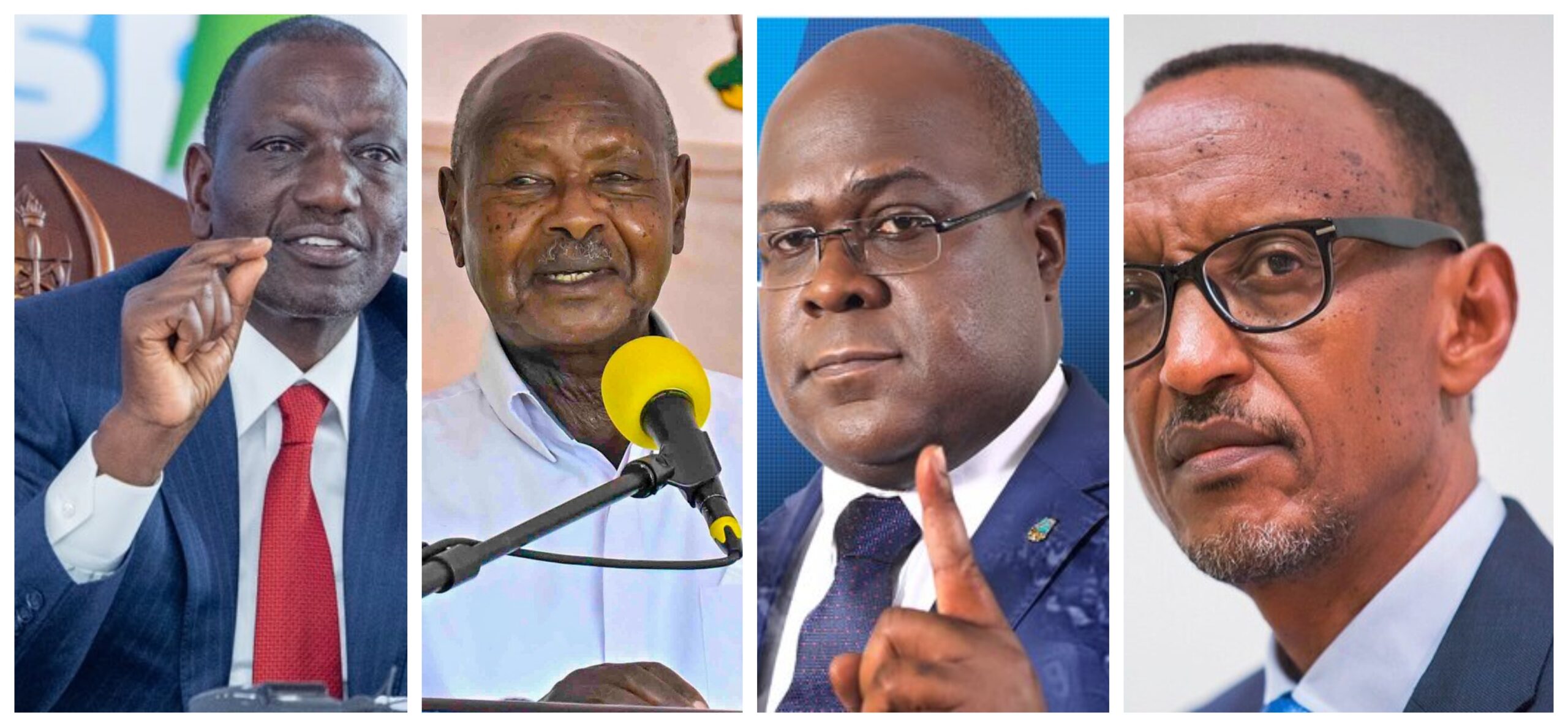
Nagenda appealed to the government to champion mediation and dialogue of the warring parties citing Kenya President William Ruto’s initiative of promoting dialogue as a good move.
President Museveni has not yet issued a formal statement on the matter.
President Ruto released a statement yesterday indicating engagements on eastern DRC matters with the United States of America Secretary of State, Marco Rubio and French President, Emmanuel Macron.
Simon Mundeyi, the Ministry of Internal Affairs spokesperson told the CEO Magazine that Uganda is already experiencing some escapees coming in as asylum seekers but the increasing numbers are being documented.
Uganda– DRC trade gains
A Ministry of Finance report on the performance of the economy for the month of December 2024 recorded a trade surplus of USD 65 million (UGX 242 billion) between Uganda and DRC. Uganda’s exports to Congo include cereals, vegetable oil, refined petroleum oil, salt among others.