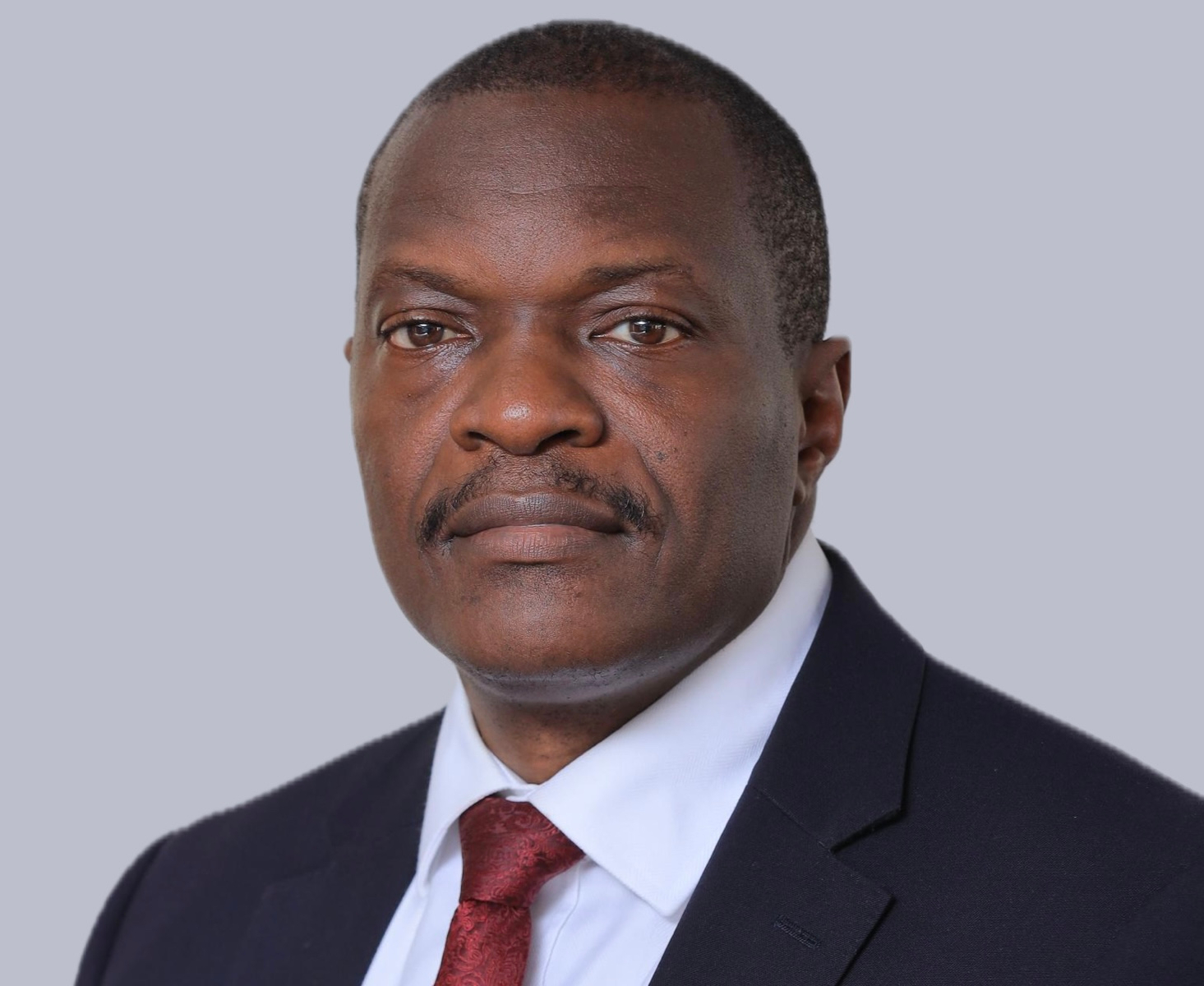
On the sidelines of the just-ended Annual Bankers Conference, CEO East Africa Magazine’s Paul Murungi caught up with Godfrey Sebaana, CEO of Diamond Trust Bank Uganda, for a quick dipstick on the bank’s performance and the state of the industry.
In this brief but insightful exchange, Sebaana reflects on DTB’s growing balance sheet, healthy capital ratios, and strategic alignment with government-led growth sectors.
He also shares the bank’s ambitions in the USD 1.4 billion remittance market, the opportunities of a well-capitalised industry now able to finance large-scale contracts locally, and the one thing about DTB that keeps him awake at night.
Based on the discussions at the Annual Bankers Conference, what key insights have you taken away regarding the remittance landscape, and how can the banking industry better position itself to tap into this space?
Every year we process in excess of 800,000 in remittances, but we’re at a level where we have to take it a notch higher by investing in our anti-money laundering and terrorism financing capabilities, build systems that are secure and safe for remitting money with ease.
A lot of Ugandans in the diaspora are obviously sending money and research has shown that it is either for consumptive purposes but most importantly, majority are looking for investment opportunities.
Let’s sensitise the masses and sell these investment options and capabilities on remitting money. With our internet and online banking capabilities, Ugandans in the diaspora can opt to invest in government securities, unit trusts or any investment option that the bank has put on table.
Tell us about your last six months of 2025 at Diamond Trust Bank?
Banking is the same and it’s a very exciting time for me, and exciting times at the bank. If you look at the journey we’re walking, and how we’re reshaping the bank, and the new products we’ve put on board, this is the best place to be in right now!
Looking at the first half of 2025, what performance metrics best reflect DTB’s progress?
The key metrics are being met; our balance sheet is growing and our capital ratios are healthy. We, of course, had a few challenges with legacy loans that were non-performing and these are cases that continued to struggle post-Covid.
But when you look at the bank; our assets have grown and I’m excited that our clients have given us a reason to bank with them.
Related
 High Court Finds Entebbe Mayor Fabrice Rulinda Mired in Gold-Related Money Laundering Controversy
What keeps you awake?
DTB keeps me awake, and honestly making sure our customers’ plans come to fruition.
What’s your assessment of Uganda’s banking landscape in the last six months?
The banking industry is growing by leaps and bounds. I keep telling people that we’ve just come out of a phase out where banks had to enhance their capital ratios from UGX 25 billion to UGX 150 billion. That’s not a small achievement!
People need to understand that in terms of heavy lifting, supporting big contracts, and aligning with the growth plans of Uganda; banks are now well capitalised to support the economy.
Some of us [DTB] did not have to raise new capital, it was a case of transferring our retained earnings to the account and complying, which means we’re now ready to lift heavy contracts.
That used to be the case for some banks that could book these facilities offshore, that is no longer the case, we can now lift those contracts locally. Exciting times!
Which key sectors have contributed to your bank’s growth in the last six months?
We see growth clearly from where the government is focusing because the bank’s strategy is very aligned to that of the government.
If investments are going into agricultural modernisation, infrastructure to support tourism, mineral development, manufacturing, services. That is exactly where our play is!