RK: The first question to you is, who is Mumba? How did you get here?
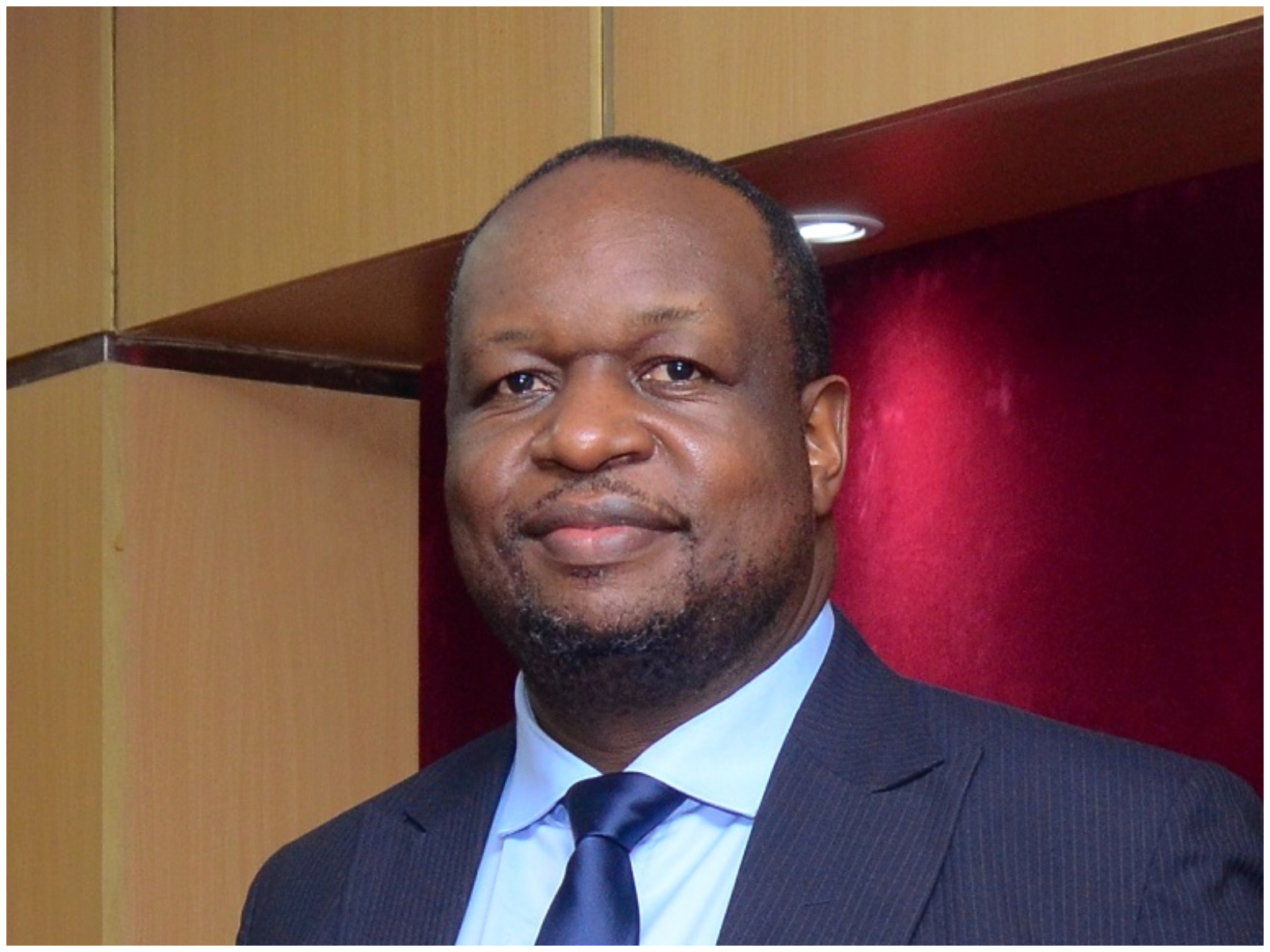
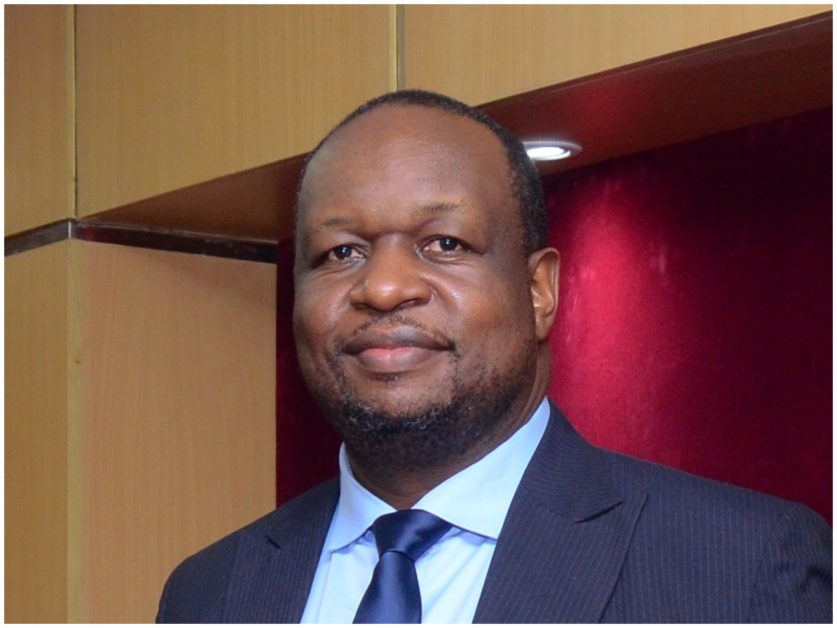
MK: Thanks Robert and for giving context. My name is Mumba Kalifungwa, a Zambian national currently resident in Uganda. My father is Prof Patrick Kalifungwa, an academician and businessman and my mother is a lawyer. They work together, running a private family business. I am the firstborn in a family of four; 3 men and 1 lady. I am also a family man; I have been married for two years. Together we have 3 daughters and 1 son. At a personal level that is who Mumba is.
RK: You have had an interesting journey, earlier you said everyone needs a mentor, how did career choice feature in your journey and who held your hand?
MK: In my intro, I mentioned that I come from a background of business, academics and all that. My father retired at the age of 40. The story of his retirement is very interesting. He used to work for Unilever. They wanted to transfer him to Zimbabwe for an executive role when he made a request. He requested his boss to allow him to buy the (company) house he was staying in. The boss refused and that is when he retired.
We had a conversation, and he explained to us what was going to happen. He decided to quit. He was a trained marketer and he went into trading. In the following year, he was setting up a company. I was working with him. I had just finished high school. I worked as a vans salesperson. I would be away from home for a month selling stuff. When I was not doing that I was sitting with him working as his assistant in his office. I was turning 18 at the time. It was his way or the highway. I grew up with that militant discipline. That was very pivotal in my formative years.
RK: Presumably, you were watching your father, what did you see about the man at the time that stayed with you?
MK: Boldness. There was a strong belief in him that he could do anything.
RK: What happened thereafter?
MK: At that time, I felt like I was being abused. The learning moment comes later in life. By the time I was 18, I had had this experience of doing cash flows and all that. I knew I wanted to do something to do with numbers. That was when I decided to study accountancy.
After school, I wanted to prove to him that I could do things on my own. I found a job with an audit firm. The foundation I had got working with my father grounded me in my audit work.
If you took on a client’s work, you had to do it within the client’s time and deliver good results. I did that sort of work for five years. It was not a big cheque but it was very fulfilling. Having gone through that regime, that discipline has guided me till now. My father has gone on to re-invent himself, he now runs a private university, and he is one person who has guided me. I cannot go far when looking for a role model, he is the one.
RK: You said that it’s important you show respect for your bosses or seniors in this journey, why is it so?
MK: When you look at the value system, I talk about discipline, I talk about hard work and humility. By being humble, it means you should have respect for human beings; those around you- above and below.
Your attitude towards your leaders gives you an edge in life. It creates an avenue for you to learn from them. Learn as much as you can with them. Organisations should be respected because you are earning a living from that institution.
RK: For many of the Ugandans in the workspace in formal employment, it seems like the salary is never enough, they are always hustling here and there to earn an extra income, is this something you are familiar with? For quite a few people, it seems like you are cheating the company. What are your views?
MK: Typically, over the years, I come from a business-oriented family. What I have done over the years, I have sat on the boards and offered my time. I would always chip in. But I should say that you have to respect the organisation that employs you. You are stealing from your organisation to be running your hustle during the company time. It is not wrong to run a side hustle, do it at the right time. Think about the mode of delivery first. Once you have clarity over what your hustle is about, it gives you a better approach on how not to compromise with your employer.
RK: As someone who is supervising, how would you deal with a situation if it is not compromising on the guy’s productivity, how would you deal with that? What is the supervisor’s dilemma that they face?
MK: One of the things about working for various players in the private sector, they will take you through what in banking is called compliance. This is done to address the issue of conflict of interest. As an employer, I support people doing their businesses, but they should do it without contradiction. They should do it in their time.
Choose a side business that suits your current job. Come up with a delivery model that does not require you to be in two places at one time.
RK: The advice you’re giving is: figure out what your interests in life are, what role your current job is, in realising those interests and then everything else including your side hustle should not sabotage your current job, is that what you are saying?
MK: That is a great summary. It’s what I am saying.
RK: You sat with your dad, and he told you of his decision, one of the challenges many of us face especially those in employment, at what point do you call it time on the formal employment- for your dad- he had no house, how would you mentor them?
MK: I would have taken a plunge after five years of formal employment, but before you take that, the first thing is to ask, what are my current commitments? Currently, I have children in school. There are certain decisions I cannot just make like I could have when I had only five years of experience. It is a risk and reward decision.
When someone is going to resign, I ask them what they are going to do. Is it already sustainable?
If your side hustle brings in more income than the formal job, feel free to leave. If it is something you envision, that the business will scale up with time, take the risk.
RK: It’s good you use the word taking the plunge, for me the standard I took was how much pain are you willing to take in terms of the plunge? Are you prepared to come from where you are and go down? One of the things I psychologically did when I started my farm was to switch and wear my overalls and come down to the level of my employees at the farm. What is taking a risk? What is an act of recklessness?
MK: One of the things my father did was to venture into trading. He was a qualified marketer by profession. An act of recklessness is jumping into a business without an idea of what you are going to do. What opportunities am I trying to seize? An act of recklessness is entering a business you have no clue about.
Taking a risk is when you come from a point of knowledge. It is when you pick on something that you have been doing and trying to grow it.
Comrade Otoa: Many young people are getting out of university having no sight of jobs. How do we incentivise young people not only to just think of entrepreneurship but also to think of a real tangible thing they can do moving beyond that? But also to the corporate guy, would you say that having a side hustle is probably your preamble towards getting you ready for retirement?
MK: My father took the plunge at the right time. He has continued to run for the last 30 years. My advice is, don’t wait for your retirement to begin trying out on business. One of the things I have noted is that we do not do so many partnerships. When you have savings and investment income, it is important to start experimenting with a venture you want to do when you retire. Find people with similar interests and partners. We can achieve more with numbers.
A partnership is a good thing, you come together with like-minded people who will help you meet your goals, start small but think big. It can help you. Amid scarcity, there should be means to think differently. Covid has taught us that uncertainty is a certainty.
Jovian: We have an investment group, what’s the best investment opportunity to make sure our investment club is productive for their investment?
MK: What should guide your investment is your risk and reward. When taking a risk, you need clarity of what opportunity you are serving. It also goes back to your risk appetite.
 Insurance Premiums Hit UGX 2.03 Trillion as Jubilee and Prudential Lead Life, SanlamAllianz and Old Mutual Dominate Non-Life
Anita: Can one keep their 8-5 pm and still run their hustle?
MK: Yes. You can do the side hustle. What is key is the mode of delivery. You should understand the ecosystem that guides that side hustle. You need to have someone who is going to be running the errands for you.
Brian: Balancing the two is quite demanding. You talked about discipline, do you have a systemised way of how you dedicate your time?
MK: I run my life at a personal and business level with a structure. I dedicate the 8-5 but it is a conscious decision. Sometimes you have to dedicate time to what is important. But discipline is key.
RK: Can you help us draw a line between the personal and professional relationship
MK: This is hinged on Emotional Intelligence. The precursor to emotional intelligence is self-awareness. To me what is always key is knowing who you are. There is a difference between the person you are and the role you do. That is humility.
There is being human and being professional. I would take it as a personal flaw for one to be bothered by someone’s personal side hustle.
RK: Let me ask you this: family, you have hustled; how much sacrifice has your family had to accommodate this journey of yours?
MK: As I look at my journey, some of the decisions we have made have taken a strong partner by my side. It takes a strong person. My wife has made personal sacrifices as we have had to move and handle her businesses back home remotely. She is a pillar of strength. My children too. To me, it is always God first, family second and work third.
@KalisaNdoli: On the contrary, if your side hustle grows to be your main source of income and your job becomes a ” side hustle of sorts” how would you balance the two especially if you want to keep both for a reason?
MK: If the job becomes a side hustle, then it is obvious. You must make the right decision and leave to focus on what drives the higher return. It should be a risk vs reward decision and to be a businessperson, you must be a risk-taker. Knowing who you are, helps you decide.
@AineAmaani: For someone with a lot of skills and seemingly limitless connections, where do you draw the line of too many hustles?
MK: I believe in focus and not doing too many things at once. This ensures the desired results and impact. It is a risk and reward discussion where you maximise the benefits of the few options you’ve selected.
@calvinmij: How does one ensure appropriate controls at the side hustle so as not to compromise the 9 to 5? What are the preconditions for cross over— i.e. When do I start the 100% at Rugyeyo and 0% at Vision?
MK: There aren’t any hard and fast rules, but I believe rationale and reason will drive you depending on the risk vs reward discussion. Which option gives the quality of life you desire, and are the two options mutually exclusive? Can the side hustle survive without your job?
Secondly, you must be clear and deliberate about your responsibilities and obligations to each demand. Company time is just that and personal or private time is just that. Have a working structure that doesn’t compromise either e.g., outsource, employ an agent to run the errands.
@AineAmaani: For a student studying an intensive course but who also has a lucrative business, at what point is it worth abandoning the course to focus on the business?
MK: Both are important and that decision is dependent on your circumstances. I would advise that you strike a balance and focus on completing your studies whilst you find a mode of delivery for your business e.g., outsourcing services for your delivery.
@StKyamutetera: Rising the career path- what’s the 2 key pieces of advice that you have received that you think have shaped you all around and or you live by?
MK: Discipline, hard work and humility are my values. These were shaped by my parents in my formative years, and I still hold and apply them consistently in all that I do.
@joel_nabimanya: Let’s go back in time to when you were getting started in the corporate world. Assuming you had a promising side hustle/start-up, would you have chosen to go all-in on career or the start-up?
MK: In hindsight, I would have worked for a maximum of 5 years to gain an understanding of how formal businesses operate. With that experience, I would have gone back to run the family business, and it would be at a different level now.
@NicholasAruho: Many employees get salary loans, invest in side hustles and end up losing their money due to poor supervision. How does one handle supervision while engaged on the job?
MK: The key to effective supervision is understanding the end-to-end operations of your business and putting in place a control mechanism that you can use after working hours to check how things are going.
@Natabaalo: Should an employee tell their boss about their side hustle?
MK: I believe they should, Grace because some companies require this for compliance purposes to manage issues of conflict of interest.
@rkabushenga: What advice would you give a person with a side hustle on how to balance that with their formal job. How would they know it is time to choose to focus on one or the other?
MK: As I said, it truly is a balancing act and how you manage time. In my view, the time to leave is when your business can generate more income than your salary pays and can help you live a reasonably comfortable life that meets all your necessities.
@rkabushenga: As a young person starting on a corporate career, how did you get mentoring? What lessons did u learn? Were there different mentors at each stage of your career? How did u apply each of the lessons u learnt?
MK: First, different people helped shape my career at different stages, but my father has been a constant. He is a businessperson who has reinvented himself from formal employment, business, politics and now academics as the owner of a leading private university in Zambia. Secondly, Your attitude towards your leaders and your work gives you the edge in life.
@rkabushenga: For most Ugandans in formal employment, there is a lot of months left at the end of the paycheque! So quite a few of them have side hustles to make ends meet. How does a supervisor/employer accommodate this and even facilitate career growth?
MK: It is truly a balancing act in my view and it is about how you manage time. Company time is just that & personal time is just that. Depending on the business you are doing, you have to have the right delivery channel i.e., do you employ someone or outsource delivery etc.