French media conglomerate Canal+ has moved to consolidate control over SuperSport’s sports rights acquisitions, transferring decision-making authority from South Africa to its headquarters in Paris.
The development follows Canal+’s 3 billion dollar acquisition of MultiChoice and marks one of the most consequential strategic shifts in Africa’s sports broadcasting landscape in decades.
According to reporting by Business Insider Africa, the move effectively removes SuperSport’s long standing autonomy in securing premium sports rights, placing the responsibility directly under Canal+’s European leadership.
For an operation that has historically been the cornerstone of MultiChoice’s subscription model, the change signals a recalibration of priorities under the new ownership structure.
SuperSport has for years been regarded as the engine of DStv’s subscriber growth across Sub Saharan Africa.
Its ability to secure exclusive broadcasting rights for major global and regional sporting events has been central to customer retention in markets where live sports remain one of the strongest drivers of pay television loyalty. That formula now appears to be under review.
Broadcasting journalist Thinus Ferreira told Johannesburg based radio station 702 that the restructuring is part of a broader cost containment strategy.
Canal+ has reportedly committed to reducing expenses but is restricted from implementing significant staff reductions for three years following the acquisition. Instead, operational control is being consolidated at group level.
Ferreira noted that acquisition authority has been removed from SuperSport, with final decisions now taken in Paris. The immediate consequences are already visible.
For the first time in decades, certain events traditionally available to DStv subscribers, including the Winter Olympic Games and the World Darts Championships, are no longer part of the programming schedule.
The decisions, he indicated, reflect Canal+’s assessment of commercial priorities rather than regional programming traditions.
The implications extend well beyond South Africa. SuperSport’s footprint spans more than 50 countries across Sub Saharan Africa, with particularly strong subscriber bases in Nigeria, Kenya and Ghana. In many of these markets, premium sports content is not merely an entertainment option but a key subscription driver and cultural touchpoint. Centralising rights decisions in Europe raises questions about whether programming choices will continue to reflect local viewing patterns and market specific demand.
Canal+’s acquisition of MultiChoice in July 2025 represented a strategic expansion into one of the world’s fastest growing pay television regions.
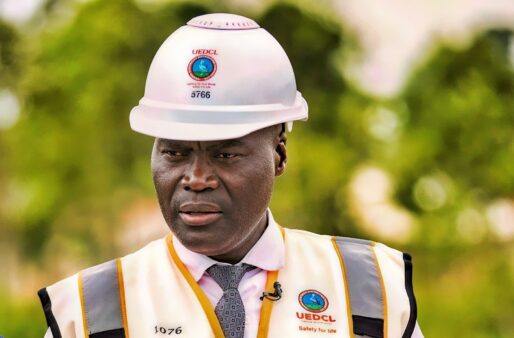
 Paul Mwesigwa’s First Year: UEDCL Hits UGX 1.71 Trillion in Revenue, Rolls Out $994m Grid Recovery Plan After Umeme’s Exit
The deal, valued at approximately 55 billion rand, positioned the combined entity to serve more than 40 million subscribers across the continent.
Canal+ also pledged to invest about 26 billion rand over three years in local content production, digital innovation and technology upgrades, signalling long term ambition in African markets.
However, the shift in sports rights control introduces a new dynamic.
While centralisation may deliver cost efficiencies and improve negotiating leverage at a global level, it may also dilute the local responsiveness that historically differentiated SuperSport from international competitors.
For African audiences accustomed to broad and diverse sports coverage, the narrowing of event portfolios could affect perceived value.
The timing is also significant. Traditional pay television operators face intensifying competition from global streaming platforms that are expanding into live sports.
Companies such as Amazon Prime Video and other deep pocketed streaming services have begun securing high profile rights in multiple markets, eroding the exclusivity that once protected legacy broadcasters.
Ferreira told MyBroadband that streamers possess significantly greater financial firepower to compete for premium content, warning that sports remain the lifeblood of traditional pay television models.
For Canal+, the decision to centralise sports rights acquisition may reflect a disciplined post merger integration strategy designed to optimise returns and align African operations with global objectives.
Yet the long term success of that approach will depend on balancing financial efficiency with local relevance in markets where consumer loyalty is closely tied to content familiarity.
As the integration of MultiChoice into the Canal+ ecosystem continues, executives and investors alike will be watching closely.
The central question is whether tighter European oversight will strengthen the group’s negotiating power and profitability, or whether it risks weakening the local resonance that made SuperSport Africa’s dominant sports broadcaster in the first place.