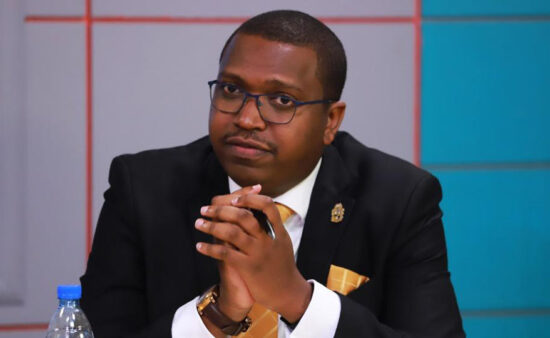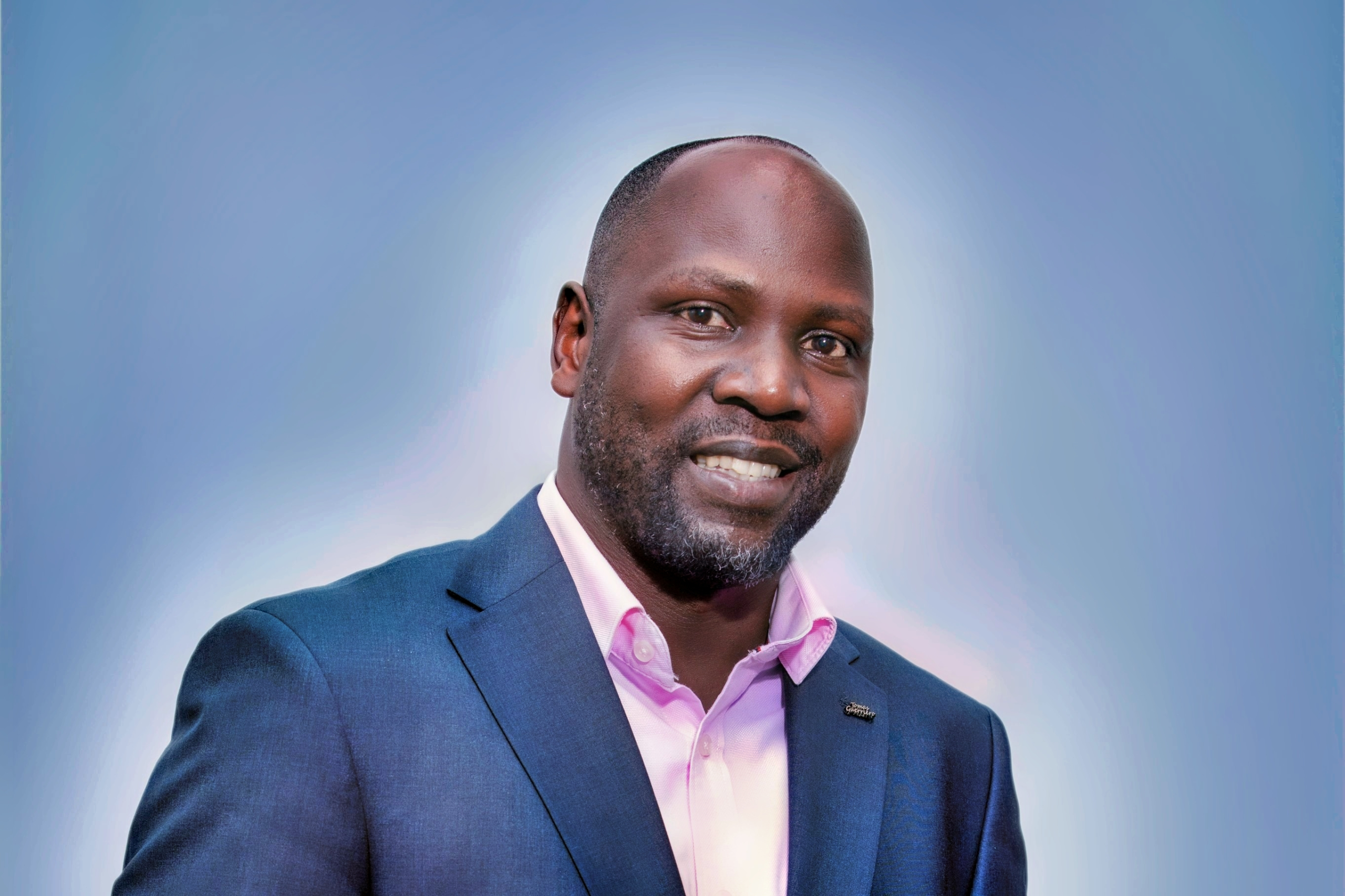
“I know every single day I am contributing to changing lives in different communities.” Bob Okodi, the CFO of Amref Health Africa Uganda and Winner of the Not-for-Profit Award 2025 at the 9th edition of the Chief Financial Officer Awards 2025– an initiative of ACCA Uganda and Deloitte Uganda.
Okodi shares his journey to purpose-driven financial leadership with Paul Murungi, and how leading finance in an organisation where impact is measured in lives, not margins, has required balancing ability with passion, fostering innovation in reporting, and navigating the challenge of strengthening donor mobilisation.
Congratulations, Bob. This award celebrates excellence in purpose-driven finance. How does it feel to be recognised for leadership that goes beyond profit, in a field where impact is measured in lives, not margins?
To be honest, it is fulfilling, and I am still taking it all in. This recognition is a reward for 12 years of hard work. I left the private sector to work in a space where I know every single day I am contributing to changing lives in different communities, and I am glad that, beyond the personal satisfaction I feel, I now have an award to show for my contribution.
What initially drew you into finance, and what made you choose to serve in the non-profit world instead of the corporate track?
I was drawn to finance because of my father, Mr. John Bosco Otuko who is also an Accountant by profession. In fact, once I enrolled for my bachelor’s degree in Accounting, he also encouraged me to register for a professional accounting course while still in my first year at the University. Why did I choose to serve in the non-profit? One word: IMPACT. The sense of satisfaction from seeing the lives transformed by your work, even though I am not field-based but just working for an organisation that is changing lives daily, is what drew me to the non-profit world.
What moments or mentors have had the biggest influence on your leadership journey — and what have they taught you about balancing accountability with compassion?
The mentors that have had the biggest impact in my leadership journey have been two of my most recent supervisors Dr. Patrick Kagurusi, Country Manager at Amref Health Africa in Uganda and Mr. Deusdedit Mbuga, Country Finance Manager at SNV International. I learned that accountability means approaching your work as though you are the final reviewer by striving to deliver it in a way that minimises the effort needed by anyone who reviews it after you. I also learned a lot from Mr John Muhaise Bikalemesa, former Country Managing Partner at EY, and if there is one thing I will never forget, he told me that in everything I do, I should ask myself: Am I attracting, serving and retaining clients?
Managing donor funds requires deep trust. How do you sustain that trust while driving innovation and efficiency in Amref’s programmes?
In order to sustain donor trust, I have tried to ensure that donors are updated through timely reporting and accountability for all the funds received. There are donors with whom I have monthly check-in meetings, and through the communications department, Amref develops various documentaries and publishes success stories, which are easily accessible by donors on our different online platforms.
When you think about legacy, what impact do you want your leadership to have — both within Amref and in Uganda’s wider non-profit finance ecosystem?
When I think about legacy, my leadership will have an impact if I am remembered for building systems that will operate long after I have left the organisation. I am proud to have been able to contribute to the building of a system that allows me and my team to execute over 90% of our work remotely. Aside from the routine field visits, inventory count and asset verification, the entire finance and procurement team are able to work remotely, thanks to the robust, fully integrated system.
Beyond Amref Health Africa, I hope to contribute to a stronger, more transparent non-profit finance ecosystem in Uganda. With the recent launch of the International Non-Profit Accounting Standard, I am particularly keen to contribute to its successful rollout and adoption across all non-profit organisations in the country. I have already attended the official launch, and I am closely following the rollout journey.
The pandemic and economic shifts have challenged the not-for-profit sector globally. What lessons did you take from those times about adaptability and purpose?
I will start with the pandemic, and quite honestly, it taught me the importance of building and maintaining strong relationships with donors. This helped a lot in negotiations with different donors to approve the repurposing of funds to respond to the pandemic. When I think about the economic shifts, particularly the USAID stop work orders issued by Donald Trump early in 2025, this taught me the importance of diversification of the funding and not relying heavily on one donor. A lot of NGOs, especially those heavily funded by USAID, were affected, and some had to close shop.
What reforms, systems, or financial practices are you most proud of introducing — and how have they strengthened Amref’s long-term resilience?
 Ruparelia Group Wins Key Entebbe Land Case, Clearing Path for the New Mega Speke Resort and Convention Centre, Entebbe
The one thing I am most proud of is the mobile money payment system I worked hard to introduce in 2016. Prior to this, there was a huge risk of fraud due to cash payments for activities implemented, and the turnaround time for accountability was quite long, as the process relied heavily on verification of physical attendance lists and payment sheets.
How have your experiences outside the office — family, community, or faith — influenced your approach to ethical leadership and decision-making?
For a long time, I have been a huge basketball fan, and I still like to watch and play basketball in my free time. Those who have watched basketball know how engaging it is in terms of involvement of all team members and how every second matters. Because of this, I am very keen on how I utilise my time, especially time meant for doing organisational work.
What brings you the most joy in your work? When do you feel the weight of responsibility transform into pride or fulfilment?
Every year, Amref Health Africa in Uganda produces an annual report highlighting the people reached through our interventions. This report usually gives me satisfaction knowing that the work I do on a daily basis translates into transforming lives in different communities.
For young finance professionals entering the NGO space, what advice would you give about leading with integrity, empathy, and courage?
My advice for young professionals is that integrity is quite practical in the real world, and it is what earns you trust from colleagues. Beyond just knowing that it is doing the right thing when no one is watching, it can also easily mean standing up for what is right and making decisions that safeguard your reputation. One small mistake can ruin your career for years to come.
In terms of empathy, I need young professionals to understand that, beyond the financial reports submitted to donors, there are real people whose lives are impacted by the work. It could be maternal deaths averted, access to clean water, teenage pregnancies reduced, a reduction in HIV/AIDS prevalence, and access to education. The list is endless. I implore young people in the profession to take a keen interest in program work, rather than just preparing financial reports.
Finally, courage will take you places as a young person in your career. It is easy to be trusted with responsibility if your boss knows you are not afraid to speak up when something does not feel right or if you are always among those willing to suggest other ways of executing tasks.
If a young professional were to describe your legacy 10 years from now, what do you hope they would say about your leadership and impact?
I believe that ten years from now, the teams I’ve worked with will look back proudly and say that I mentored and created opportunities for them to excel. In my short period (5.5 years) as Head of Finance, I am proud to say that two of my former team members have advanced to become Finance Managers in different not-for-profit organisations.
I will also be remembered as the finance manager who spearheaded the first-ever recognition in the Financial Reporting (FiRe) Awards. These awards have been around since 2011, and Amref Health Africa in Uganda has never featured. This year, we received an award for the most improved report in the 2025 FiRe Awards, and I cannot describe the excitement across the entire Amref Health Africa, not just in Uganda.