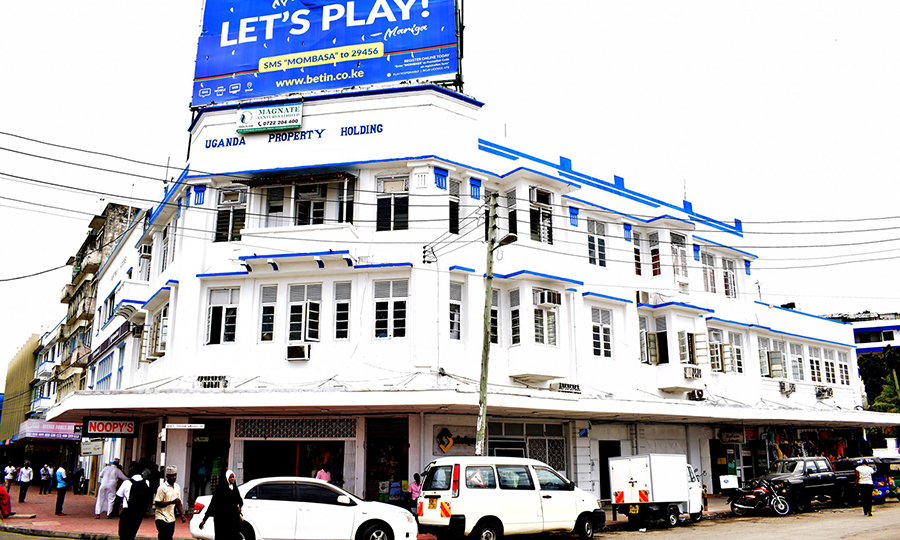
If Uganda Property Holdings Limited (UPHL) were a building, it would be a grand structure – spacious, magnificent on the outside, and centrally located.
But get in and you notice the weak stair rails, the cracked floor tiles, and the ceiling.
The Auditor General’s 2024 report offers a sobering diagnosis – UPHL is solvent and compliant, yes, but operationally sluggish, financially strained, and increasingly weighed down by inefficiencies that could compound into structural weakness.
Strong, but not agile
The good news is that UPHL is not losing money. The company posted a UGX638 million surplus for the year – a profit, albeit thinner than the UGX1.094 billion it made in the previous period.
Retained earnings rose to nearly UGX25 billion, and its liquidity ratio of 3.6 shows it can still cover its short-term obligations comfortably.
But that’s where the good news ends.
What lies beneath is a picture of operational fatigue. The return on assets halved from 0.4% to 0.2%, return on capital employed slipped from 0.68% to 0.58%, and operating margin shrank from 19.9% to 15.5%.
Even the once-healthy liquidity ratio has fallen by 71% since last year.
It’s not hard to see the culprit: costs are rising faster than revenues, driven by staffing expansions and project management expenses that have yet to deliver matching value.
Rent goes unpaid, bills pile up
UPHL’s biggest achilles heel is its debt recovery. Rental debtors rose by a staggering 48%, from UGX4.3 billion to UGX6.47 billion in just one year.
The entity has not demonstrated effective recovery strategies, and in one eyebrow-raising case, rent arrears were cancelled by a Presidential directive.
The property in question? Occupied by a tenant affected by government’s clampdown on old car imports.
Meanwhile, payables ballooned by 245% to UGX1.89 billion. The bulk of this was a UGX1.57 billion construction certificate payment stuck in limbo, unpaid due to cash flow issues.
In other words, UPHL couldn’t pay its bills because too many of its tenants haven’t paid theirs.
This kind of financial clogging in a rent-based operation is dangerous. Uncollected revenue constrains operations, which then leads to delayed payments, unhappy contractors, and – if left unchecked – possible lawsuits.
Warehouses built, but mandates left behind
The company’s strategic plan calls for a 10% increase in property value by 2025.
 How dfcu Bank Helped Agnes Mbabazi Turn Agrifarm Into a Ugandan Agribusiness Force
It’s making progress: eight new warehouses in Tororo were completed last year, funded entirely through internally generated rental income – a rare feat in public real estate management.
But zoom out, and performance starts to underwhelm. Only five of six key activities were completed.
Crucial property renovations in Mombasa stalled due to a lack of funds.
And despite a UGX14.2 billion budget, the company only collected UGX13.4 billion, meaning a 5.5% shortfall, largely caused by unpaid rent.
Worse still, the Bugolobi warehouse cum office project is behind schedule. KCCA approvals are pending, contractors are operating on extended timelines, and yet again, UPHL finds itself spending before it’s ready to earn.
Revealing ratios
When the Return on Assets, Return on Capital Employed, and Operating Margin all dip simultaneously, that’s more than a coincidence – it’s a red flag.
The pattern suggests a structural issue: assets are being built but not yet monetized, expenses are rising but income is lagging, and capital is being deployed but returns are being deferred.
In short, UPHL’s recent investments haven’t matured into profits yet.
That would be excusable in a tech startup, but UPHL is a public property holding company.
The expectation is steady cash flows, reliable rent, and prudent expansion. But that equation starts to break when debts aren’t collected, costs escalate, and strategic goals are consistently “rolled over” into the future.
The change?
In his report, the Auditor General notes: “UPHL must tighten debt recovery, manage payables promptly, and align its operations more closely with its strategic mandates.”
“It also needs sharper budget discipline – no more ghost activities that disappear due to poor collection,” the report reads in part.
The argument here is that UPHL doesn’t need more land or buildings but vision, which would turn the properties it owns into revenue engines.
The Auditor General is already afraid of UPHL postponing goals and advises it to stop waiting for guidance from the Solicitor General or the next financial year to fix basic operational kinks.
Uganda Property Holdings sits on a fortune of assets and potential, which is risky when the economy, the debt load, and public expectations are all accelerating.