
By Silvia Nyambura
Airtel Uganda’s Corporate Social Responsibility program has various platforms all aimed at giving back to society. One of the programs under this umbrella is the Adopt a School initiative launched in July 2012. In this edition of The CEO Magazine, Airtel Managing Director Tom Gutjahr gives insights into the program’s objectives and impact.
What is Airtel Adopt a School?
Adopt a School is Airtel’s Corporate Social Responsibility Program that gives a holistic approach to enhancing Education Initiatives for the Long Term. In partnership with the Ministry of Education and Sports, one UPE school is recommended per year in one region of Uganda; resources are invested according to the school’s needs so as to create a model school within the Community.
To date, 4 schools have benefitted and Airtel has invested approximately, Ushs 750 million. The adopted schools that we have so far worked with are Ndeeba Church of Uganda Primary School in Kayunga, St. Ponsiano Kyamula in Makindye, Nanfugaki Primary School in Jinja and Seke Primary School in Lwengo district.
What inspired the decision to create this initiative?
The initiative was inspired by Bharti Foundation, the philanthropic wing of Bharti Group of Companies of which Airtel international is a part and holds absolute belief in quality education being the most important tool for social and economic development of Africa. The foundation believes in education’s vital role in poverty alleviation and social cohesion. That is why we are supporting government efforts geared towards ensuring that all children can access affordable quality education which is also in line with the Millennium Goals. We want to ensure that children are given an opportunity to learn in a safe, well equipped environment, become skilled, employable in the long run and thus be part of the positive change makers in their own communities.
What would you say is the impact of this initiative so far?
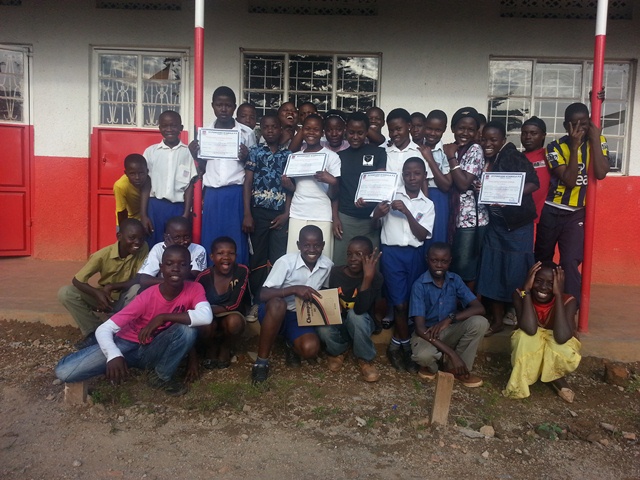
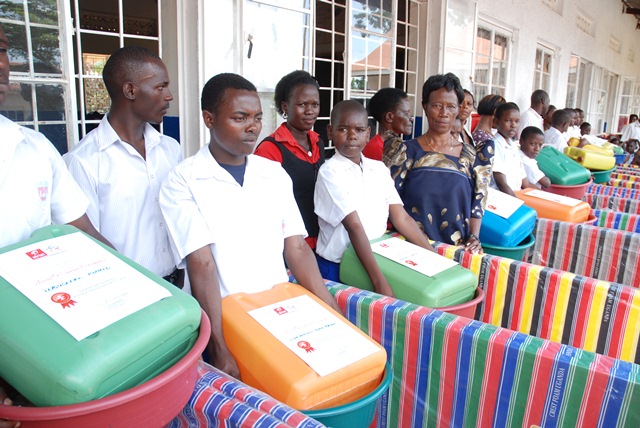
-Improved performance of the children at the PLE level from no first grades at all to better grades. Airtel rewarded the children with certificates and secondary school start up materials like mattresses, basins, jerry cans and scholastic materials. There has also been an improved reading culture as well as improved school attendance as the children study in a safe environment; spacious classrooms, well stocked library, lightning arrestors installed on all classroom blocks.
 Ugandan Law Firm, Diamond Advocates Joins WONE GLOBAL International Network
-It has also given children with disabilities in the community an opportunity to attend school as the physical infrastructure puts them into consideration.
Lack of proper facilities is one among many factors affecting education in the country. Is Airtel looking at exploring other initiatives in the education sector?
Yes sure. We already have in the area of ICT. Technology has become more and more embedded in our culture and we are working at providing our learners with relevant and contemporary experiences that allow them to successfully engage with technology and prepare them for life after school.
Does Airtel have specific goals for the initiative in 2015?
We would like the program to touch Secondary schools too as we have previously worked with Primary Schools only. We intend to actively include technology at the schools as ICT has an impact on nearly every aspect of our lives – from socializing, learning to playing and has transformed the way young people communicate, network, seek help, access information and learn. We plan to include programs that encourage a reading culture and also promote the love and comprehension of Mathematics.
