
BY FAITH ATHNUS

Erecting billboards and hoardings along roads managed by Uganda National Roads Authority (UNRA) will no longer come without some sweat as the Authority moves to toughen regulations in the roads sector. The process has been made stringent as UNRA seeks to enforce new road sector regulations.
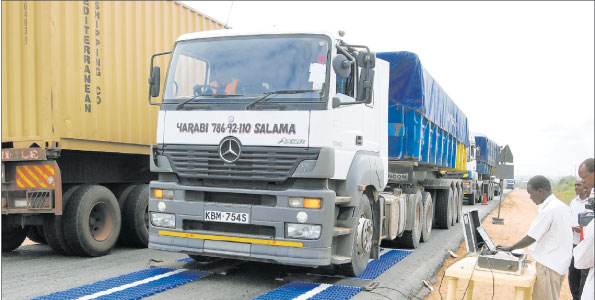
As advertisers will be chewing the insides of their tongues in frustration at UNRA, transporters will be wondering when an invention for their trucks to fly will be ready in this life since the load axle rule has been revised to punish any slight overload on the roads.
The Authority says enforcing these and other raft of measures as per several Acts and Regulations that govern the sector will help restore sanity on the roads, contribute to their longevity and also generate income for maintenance and construction works.
On November 14, 2017, Allen Kagina, Executive Director Uganda National Roads Authority (UNRA) was joined by Minister of Works and Transport Eng. Monica Ntege Azuba to unveil three sets regulations, fulfilling requirements of the UNRA Act 2006.
At the ceremony held at UNRA offices in Kyambogo, Kagina told guests that in many audit reports, Auditor General John Muwanga had raised concerns over failure by UNRA to put in place the Regulations despite the fact that the UNRA Act was passed by Parliament 11years back and UNRA came into operation in 2008.
 Tax Appeals Tribunal Halts URA’s Objection to Non-Payment of 30% of Disputed UGX 169.9b by MTN Over Due Process Failures
The three Regulations namely; The Uganda National Roads Authority (General) Regulations 2017, The Uganda National Roads Authority (Vehicle Dimensions and Load Control) Regulations 2017 and The Uganda National Roads Authority (Ferry Management) Regulations 2017 according to the Authority will come into operation in January 2018.
While explaining the new regulations to the guests, Mary Kutesa, Director Legal Services UNRA revealed that the old UNRA team had projected that the exercise would cost Ushs6Billion which funds would have been used by a private consultant, the figure was revised to Ushs3billion and the Authority used its own staff that ended up spending Ushs200Million instead of contracting out the exercise.
In her address, Kagina decried the red tape that’s affecting service delivery in Government institutions saying the vice has sowed negative seeds among public servants into thinking their counterparts in the private sector are better.
She however said that such attitude needs to be dropped as the members in both the private and public sectors go to the same schools and are taught by the same people, so the public sector has potential to perform just as effectively as the private sector.
Kagina, however, denied accusations that she has moved to wipe out the private sector, saying the move is intended to build capacity among the public servants.
“This isn’t to say that we are crowding out private sector because we couldn’t because demand for services is huge. But I am a believer that you can’t supervise what you can’t do. We want to build our capacity so we become consultants to other Government institutions at a cost,