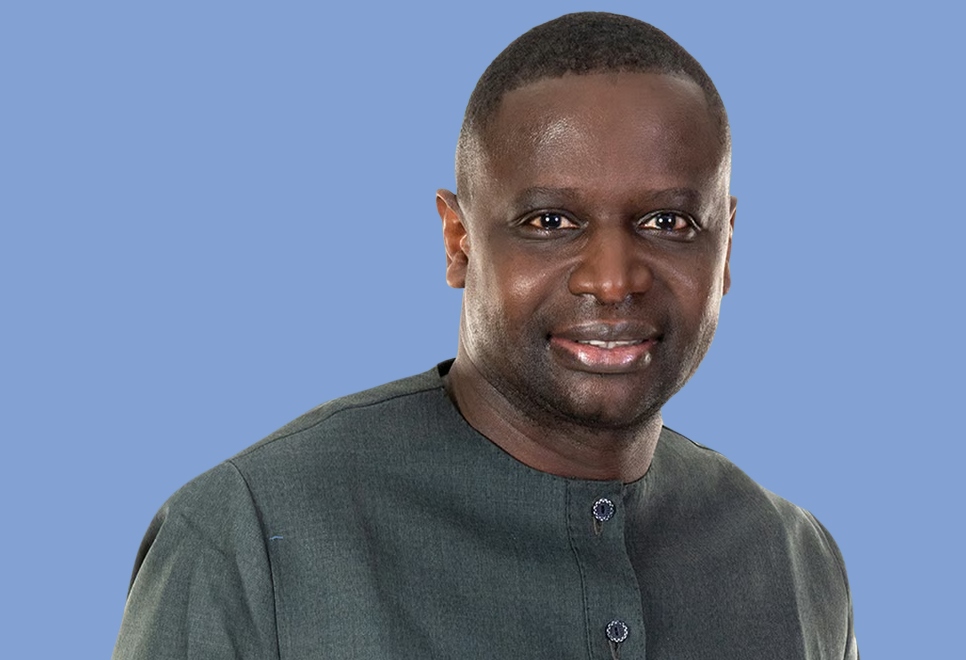
From Kahuma’s corruption probes to Ebiru’s bribery confession and Kasigwa’s contested leadership, the Uganda National Bureau of Standards (UNBS) has spent more time battling itself than enforcing quality.
For over a decade, UNBS has lurched from one leadership crisis to another, with each looking uglier than the other.
Executive directors have come and gone, most of them forced out amid controversy, leaving behind an institution perpetually at war with itself.
Each scandal has deepened mistrust, weakened internal cohesion, and eroded public confidence in an agency whose duty is to uphold quality and safety in Uganda’s market.
It is an agency in urgent need of a surgical cleanout, one that would heal the malaise that it is now accustomed to.
The Kahuma Era: A house divided
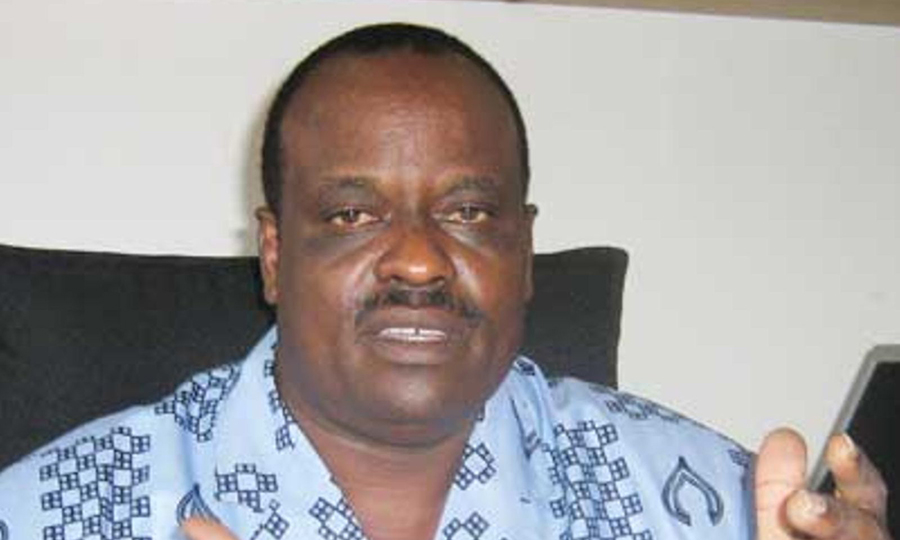
The turbulence began in 2012 when the then Trade Minister Amelia Kyambadde suspended Executive Director Terry Kahuma over allegations of mismanagement, corruption, and extortion.
A commission of inquiry revealed widespread misuse of non-tax revenue and blatant flouting of budget lines.
Kahuma, who claimed political vendetta and external interference, was sacked and later awarded UGX 260 million by the courts for wrongful dismissal.
His exit exposed an agency split between an overbearing Ministry of Trade, as the line ministry, a disjointed National Standards Council, and a defensive executive, a toxic dynamic that has since defined UNBS’s leadership culture.
The Manyindo years: Calm above, crisis below
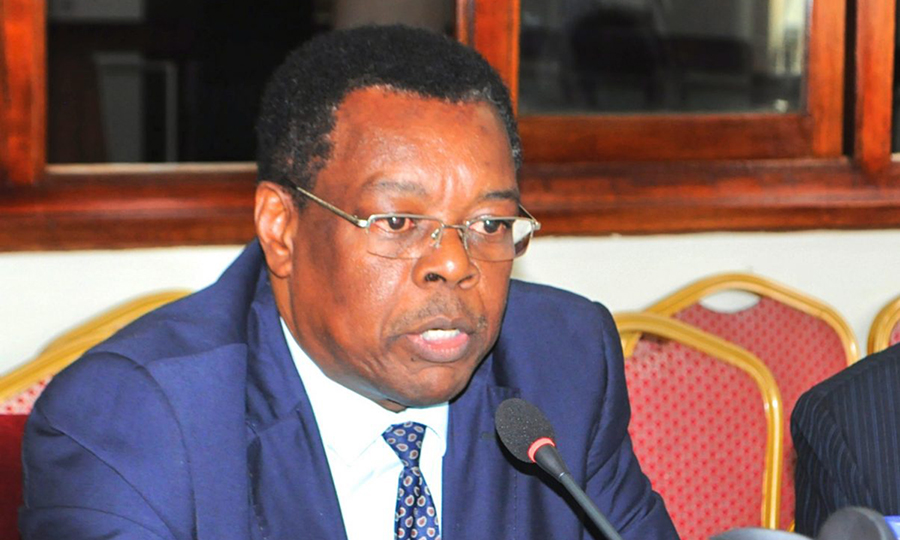
When Dr Ben Manyindo took over in 2012, he inherited an agency desperate for stability.
His nine-year tenure, first in acting and later as substantive executive director, restored order and professionalism, but he could not shake the Bureau’s core failure, the inability to curb substandard goods from getting onto the market.
Despite technical reforms, UNBS admitted that more than half of the products on the Ugandan market were substandard, undermining consumer safety and local manufacturing.
Manyindo’s leadership was competent but cautious, avoiding open political confrontation, yet the Bureau’s enforcement power remained weak, hamstrung by chronic underfunding and interference.
Still, his era stood out as a relatively quiet chapter in an otherwise turbulent institutional story.
When he retired in 2020, even Minister Kyambadde admitted, “Ben didn’t let me down.”
The Ebiru scandal: When standards hit rock bottom
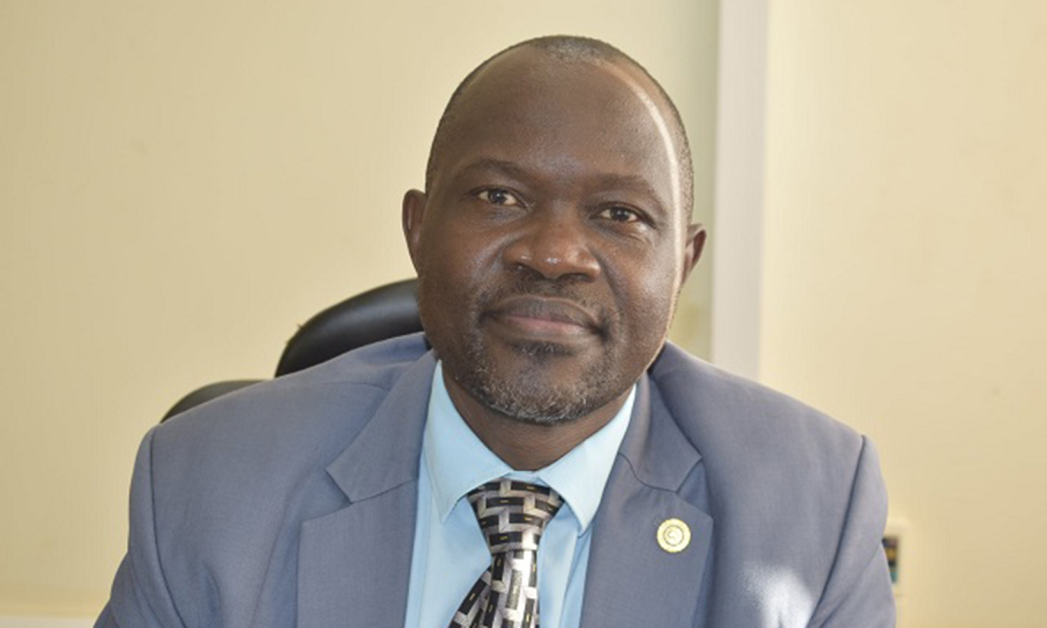
The calm ended abruptly under David Livingstone Ebiru, appointed in 2021. What started as a calm reign quickly devolved into what insiders described as a “reign of fear and favoritism.”
In 2023, the National Standards Council accused him of misappropriating UGX 12.5 billion and shielding staff who had allegedly stolen UGX 9.2 billion.
In a now-infamous twist, Ebiru admitted before Parliament to bribing the Council with UGX 100 million to protect his job, a confession he later retracted but one that permanently stained the Bureau’s reputation.
The episode revealed how deep dysfunction had set in: a divided Council, a defiant executive, and a silent ministry watching from the sidelines.
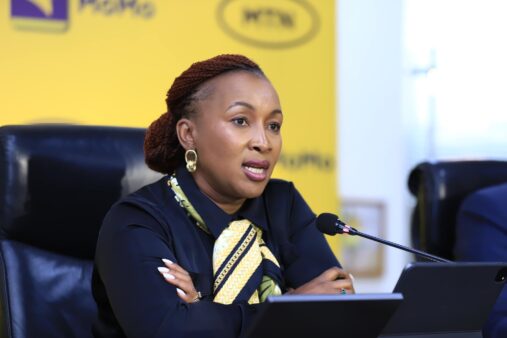
 Equity Group Posts Record 55% Surge in Profit to KSh75.5b: Uganda Bounces Back With 500% Growth in Net Profit - A Defining First Year for MD Gift Shoko
The damage was irreversible, even as Minister Francis Mwebesa fired Ebiru in August 2023, citing “gross misconduct and loss of confidence.”
The Kasigwa controversy: A familiar cycle repeats
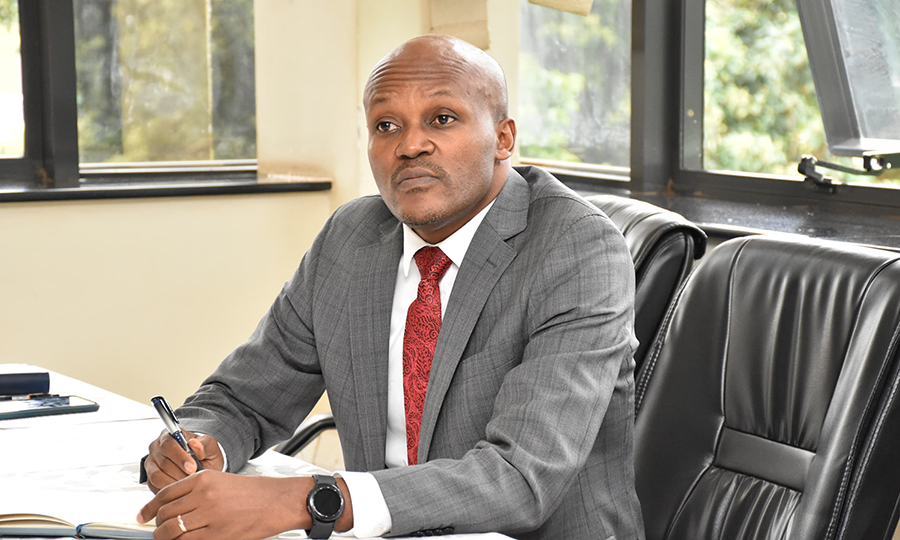
In May 2024, James Nkamwesiga Kasigwa took office amid hope for reform, only to be thrust into controversy within days.
A petition alleged that his appointment was irregular, claiming he was hand-picked despite not ranking among the top candidates.
The Inspectorate of Government signaled that it would investigate the claims, but nothing has been said of the probe since, only for the Ministry of Trade to refer to his appointment as “fundamentally flawed”, more than a year later.
And just a year into his appointment, early this month, Kasigwa was ordered to take forced leave over alleged corruption and insubordination, only for Trade Minister Francis Mwebesa, who had asked the Council to investigate him, to reverse the directive days later.
The saga mirrored past crises, with confusion over authority, staff intimidation, and internal investigations abruptly halted to “preserve institutional integrity.”
Once again, the Bureau was left divided, a symbol of dysfunction where even accountability has become politicised.
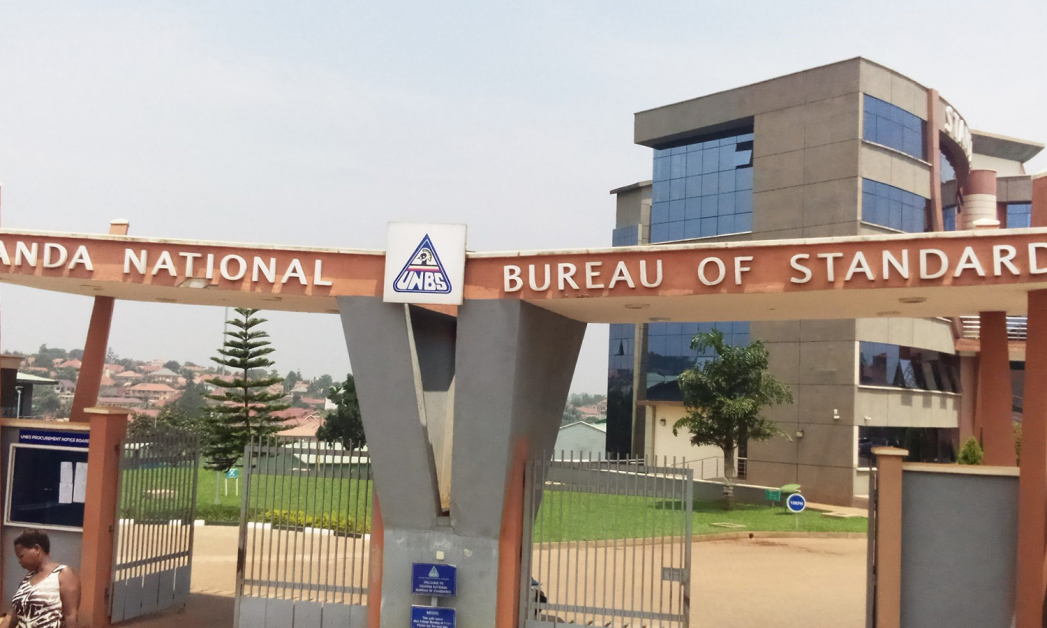
The toll on UNBS and the standards regime
Every scandal has stripped UNBS of credibility and focus.
Repeated leadership shake-ups have stalled reforms, weakened enforcement, and left Uganda flooded with counterfeit and substandard goods, estimated at over 54% of market products as of June 2024.
Frequent management changes have also demoralised staff, fostered factionalism, and alienated private sector partners.
The constant friction between the Ministry of Trade, the National Standards Council, and executive directors has blurred lines of accountability, turning technical oversight into political theater.
UNBS, once envisioned as the guardian of consumer safety and industrial competitiveness, now risks being remembered as a cautionary tale in institutional decay, an agency undone by internal wars rather than external threats.
Therefore, to rebuild trust, UNBS must decisively separate politics from regulation.
The Ministry of Trade should provide policy oversight, not administrative interference, while the Council should act as a governing body, not a rival power center.
Transparent recruitment, stronger financial accountability, and a culture of professionalism are essential to restoring integrity.
Without these reforms, leadership changes will continue to be cosmetic, not transformative.
As one industry observer put it: “UNBS has become a battlefield, and the casualties are Ugandan consumers.”
Until the Bureau reclaims its independence and enforces its mandate with consistency, Uganda’s market will remain vulnerable, not because the standards don’t exist, but because the institution meant to uphold them keeps collapsing under the weight of its own scandals.