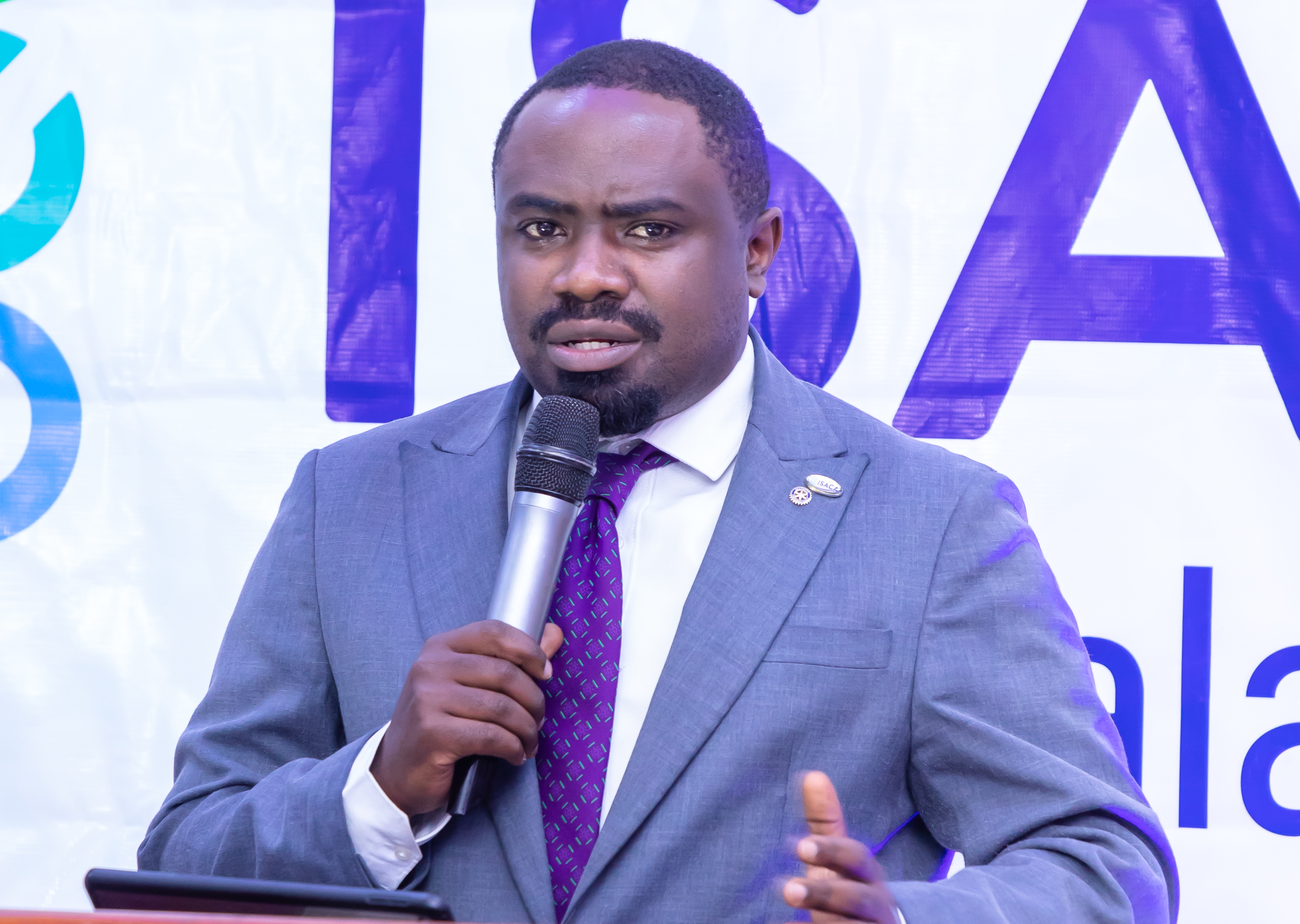
ChatGPT, a language model developed by OpenAI. GPT stands for Generative Pretrained Transformer. OpenAI is a research organization and technology company based in San Francisco, founded in 2015. OpenAI began developing ChatGPT in 2016. On February 2nd, Chat GPT surpassed 100m users just two months after launch- a record first for any consumer app ever launched. At its basic, ChatGPT is a deep learning-based artificial intelligence model that can generate human-like text conversations based on the questions asked. It is designed to answer questions and respond to prompts with natural language text. CEO East Africa’s Jonathan Ntege Lubwama asked ChatGPT a number of questions about Uganda, Uganda’s potential as a tourism and investment destination, as well as about Uganda’s president, H.E Yoweri Kaguta Museveni.
Chat GPT, what do you know about Uganda?
Uganda is a country located in East Africa. It is bordered by Kenya to the east, South Sudan to the north, the Democratic Republic of the Congo to the west, Rwanda to the southwest, and Tanzania to the south. The capital city of Uganda is Kampala and its largest city is also Kampala. The official languages are English and Swahili, while the population is predominantly made up of indigenous tribes including the Baganda, Banyankore, and Basoga. The country is known for its diverse wildlife, including gorillas and chimpanzees, and its numerous lakes, including Lake Victoria, which is the largest lake in Africa and the source of the Nile River.
What do you think about President Museveni?
As an AI language model, I do not have opinions. I can provide you with factual information about President Yoweri Museveni of Uganda. Yoweri Museveni has been the President of Uganda since 1986 and is one of the longest-serving leaders in Africa. During his presidency, he has overseen a period of stability and economic growth in Uganda. He has also made significant contributions to regional security, including his role in mediating conflicts in neighbouring countries.
On the other hand, President Museveni’s rule has also been criticized for human rights violations, corruption, and restrictions on political freedom and the media. The recent presidential elections in Uganda have been controversial and have led to allegations of electoral fraud and violence.
In conclusion, President Yoweri Museveni is a significant political figure in Uganda and has had a complex legacy during his time in office.
What is your general business outlook for Uganda in 2023 and beyond?
As a language model AI, I don’t have personal opinions or the ability to predict future events. However, I can provide some general information about Uganda’s business outlook based on available data and analysis.
Uganda has a growing economy, with a focus on sectors such as agriculture, tourism, and technology. The government is working to create a favorable business environment, through measures such as improving infrastructure and streamlining business regulations. Additionally, the country has a young and growing population, which could provide a significant boost to the labor force and consumer market in the future.
However, like all economies, Uganda faces its own set of challenges, including high levels of public debt, inflation, and corruption. Addressing these issues will be crucial for sustained growth and stability in the long-term.
Overall, the business outlook for Uganda in 2023 and beyond will depend on a range of factors, including government policy, economic conditions, and the performance of key industries. It is important for businesses and investors to monitor developments and adjust their strategies accordingly.
Do you think Uganda can become a middle-class country by 2050?
As a language model AI, I don’t have opinions, but I can provide some analysis based on available data.
Uganda has been experiencing economic growth in recent years, with an average annual growth rate of about 5.5% in the past decade. The country has also made some progress in poverty reduction, with the poverty rate declining from 56% in 2006 to 27% in 2013.

Becoming a middle-class country by 2050 will depend on several factors, including continued economic growth, improvement in governance, and increased investment in education and infrastructure. If these factors are favourable and the right policies are put in place, there is a possibility that Uganda could become a middle-class country by 2050. However, this is subject to many uncertainties and cannot be predicted with certainty.
What do you think of Uganda as an investment destination?
As an AI language model, I don’t have opinions, but I can provide you with factual information about Uganda as an investment destination.
Uganda has a growing economy with a variety of sectors that offer investment opportunities, including agriculture, tourism, energy, and manufacturing. The country has a large and young population, a favourable business environment, and a strategic location that provides access to regional markets. The government has also taken steps to improve the investment climate and has implemented various incentives to encourage foreign investment.
However, there are also challenges that potential investors should be aware of, such as infrastructure and logistical shortcomings, a shortage of skilled labour, and corruption. The COVID-19 pandemic has also affected the economy and may impact investment prospects in the short term.
In conclusion, Uganda can be considered an attractive investment destination, but potential investors should carefully evaluate the opportunities and risks involved before making a decision.
What areas would you recommend for investment in Uganda? Would you recommend investing in the financial markets and stock exchange for example?
As an AI language model, I do not have personal opinions or make investment recommendations. However, here are some key areas that have shown growth and potential for investment in Uganda:
- Agriculture: Uganda has fertile land and a favorable climate, making it a promising market for investment in the agriculture sector.
- Energy: Uganda has significant potential for renewable energy sources such as hydropower, solar, and wind. Investment in this sector could help to address the country’s energy needs while also providing business opportunities.
- Infrastructure: Uganda has a rapidly growing population, and investment in infrastructure such as roads, bridges, and housing could provide opportunities for growth and development.
- Tourism: Uganda is home to numerous tourist attractions, including national parks, lakes, and cultural sites. Investment in the tourism sector could help to develop the industry and attract more visitors to the country.
As for the financial markets and stock exchange in Uganda, it could provide investment opportunities for those interested in the stock market. However, as with any investment, it’s important to do your own research and carefully consider the potential risks and returns before making a decision.
What risks should any investor look out for in Uganda?
Investing in any market involves potential risks, and Uganda is no exception. Some of the risks that investors should be aware of in Uganda include:
- Political risk: Uganda has a history of political instability, and changes in government or political policies could negatively impact businesses and investments.
- Economic instability: Uganda’s economy is largely dependent on agriculture and has been vulnerable to fluctuations in commodity prices and changes in exchange rates.
- Corruption: Corruption remains a major concern in Uganda, and it can make it difficult for businesses and investors to operate in a fair and transparent environment.
- Inadequate infrastructure: Uganda still lacks adequate infrastructure, including roads, bridges, and energy supplies, which can limit the growth and development of businesses and investments.
- Regulatory risk: The regulatory environment in Uganda can be complex and subject to change, and investors should be aware of the potential for regulatory risks when making investment decisions.
Investors should carefully evaluate these risks and consider them in their investment decisions. It’s also important to diversify investments and seek professional advice to minimize the impact of these risks.
Related
 EADB Defends Auction of Nairobi Property in USD 9.1 Million Loan Dispute With Kenyan Borrower
If I wanted to invest in Uganda, what are some of the agencies that can help me?
If you’re looking to invest in Uganda, here are a few agencies that can help you:
- Uganda Investment Authority (UIA): UIA is the main investment promotion agency in Uganda, tasked with promoting and facilitating investment in the country.
- Uganda Export Promotion Board (UEPB): UEPB helps companies looking to export from Uganda and provides information on export opportunities and market access.
- Uganda Development Corporation (UDC): UDC is a government-owned corporation that provides support for the development of large-scale industrial and commercial projects in Uganda.
- Bank of Uganda: The central bank of Uganda can provide information and guidance on the financial sector and banking regulations in the country.
- Private sector development organizations such as the Uganda Chamber of Commerce and Industry (UCCI) and the Uganda Manufacturers Association (UMA) can also provide useful information and support for businesses looking to invest in the country.

Chat GPT Can you advise me on banks that you can recommend for a business?
Here are some of the well-established banks in Uganda that you may consider for your business:
- Standard Chartered Bank Uganda: One of the largest banks in the country, offering a wide range of banking services including business loans, trade finance, and cash management services.
- Stanbic Bank Uganda: Part of the Standard Bank Group, Stanbic Bank is one of the leading banks in Uganda, offering business banking solutions and a range of financial products.
- Barclays Bank Uganda: One of the largest banks in Uganda, offering a range of business banking solutions, including loans, trade finance, and cash management services.
- DFCU Bank: A leading commercial bank in Uganda, offering a variety of banking services and financial products, including business loans and trade finance.
- Centenary Bank: One of the largest indigenous banks in Uganda, offering a range of business banking services, including loans, cash management, and trade finance.
It’s important to compare the offerings and services of each bank and to consider factors such as interest rates, fees, and customer service before making a decision. Additionally, you may want to consult with a financial advisor or accountant to ensure that you choose the best option for your business needs.
As a first-time visitor to Uganda, what are some of the hotels you can recommend in Kampala?
Kampala, the capital city of Uganda, offers a range of hotels to suit different budgets and preferences. Here are some popular hotels you may consider during your visit:
- Sheraton Kampala Hotel: A five-star luxury hotel located in the heart of Kampala, offering spacious rooms, multiple restaurants, and a variety of facilities.
- Protea Hotel by Marriott Kampala: A four-star hotel located in the central business district, offering comfortable rooms, a restaurant, and a fitness center.
- Kampala Serena Hotel: A five-star hotel located in the city center, offering luxurious rooms, multiple dining options, and a range of recreational facilities.
- Imperial Royale Hotel: A four-star hotel located in the central business district, offering comfortable rooms, a restaurant, and a bar.
- Cassia Lodge: A stylish and affordable hotel located in the suburbs of Kampala, offering comfortable rooms, a restaurant, and a swimming pool.
These are just a few options and there are many other hotels and accommodations available in Kampala. It’s a good idea to check online reviews, compare prices and amenities, and book in advance to ensure availability during your stay.
Would you recommend Uganda as a tourism destination?
Yes, Uganda can be a great tourism destination. The country is known for its diverse natural beauty, including the iconic gorillas in Bwindi Impenetrable National Park and the chimpanzees in Kibale Forest National Park. In addition to wildlife, Uganda also offers scenic landscapes such as the Rwenzori Mountains, the source of the Nile River, and the stunning lakes and waterfalls throughout the country.
Uganda also has a rich cultural heritage, with a variety of tribes and traditional customs. Visitors can experience this through visits to local communities, cultural villages, and markets, or by taking part in traditional activities such as drumming, dancing, and local crafts.
Kampala, the capital city, is also a popular tourist destination, offering a range of attractions, including historical sites, art galleries, and cultural events.
Overall, Uganda is a unique and exciting destination for tourists who are interested in wildlife, nature, culture, and adventure. However, as with any travel, it’s important to be informed and prepared, and to take necessary precautions to ensure a safe and enjoyable trip.
Which places or destinations would you recommend that I visit while in Uganda?
Uganda has a diverse range of attractions and destinations to offer, here are some of the most popular and highly recommended places to visit:
- Bwindi Impenetrable National Park: Known for its gorillas, Bwindi is a UNESCO World Heritage site and home to over 400 gorillas, making it one of the best places in the world to see gorillas in their natural habitat.
- Queen Elizabeth National Park: This park is located in western Uganda and is known for its diverse wildlife, including lions, elephants, buffalo, and a variety of bird species.
- Kibale Forest National Park: This park is known for its primates, including chimpanzees, as well as its lush rainforest.
- Ssese Islands: A group of 84 islands in Lake Victoria, offering stunning beaches, lush forests, and a variety of water activities such as fishing and boating.
- Rwenzori Mountains National Park: A UNESCO World Heritage site, the Rwenzori Mountains offer spectacular scenery, including glaciers, waterfalls, and high-altitude vegetation.
- Kampala: The capital city offers a range of attractions, including historical sites, art galleries, and cultural events, as well as lively markets, restaurants, and nightlife.
- Jinja: Located at the source of the Nile River, Jinja is a popular destination for adventure activities such as white-water rafting, kayaking, and bungee jumping.
These are just a few of the many attractions and destinations that Uganda has to offer, and there is something for everyone, whether you’re interested in nature, culture, adventure, or history.
What food do you recommend while in Kampala that is a must-eat?
Ugandan cuisine is a mix of African, Indian, and European influences, and there are many delicious dishes to try while in Kampala. Here are some must-try foods in Kampala:
- Rolex: A popular street food dish, it’s a rolled-up chapati filled with scrambled eggs, vegetables, and spices.
- Matooke: A staple dish made from plantains that are steamed in banana leaves, and often served with a peanut sauce or stew.
- Nile Perch: A popular freshwater fish that is widely available in Uganda and is often grilled or fried and served with rice.
- Ugandan Fried Rice: A popular dish made with rice, vegetables, and spices, and often served with grilled chicken or beef.
- Luwombo: A traditional dish made by steaming meat, vegetables, or fish in banana leaves, giving the dish a unique and delicious flavor.
- Chapati: A staple flatbread that is often served with stews, curries, and other dishes, and can also be eaten on its own as a snack.
These are just a few of the many delicious foods to try in Kampala, and there are plenty of restaurants and street food stalls offering a range of local and international dishes to suit different tastes and budgets.
Lastly, any places to avoid, especially at night?
Like any city, there are areas of Kampala that are considered less safe, especially at night. As a general rule, it’s best to avoid walking alone in deserted areas or poorly lit streets, especially after dark. Here are some specific areas to be cautious of:
- Kabalagala: While it is known for its nightlife, it can also be a high-crime area, and it’s best to take precautions such as avoiding carrying valuables and being aware of your surroundings.
- Nateete: This area is considered one of the most dangerous in Kampala and it’s best to avoid it altogether, especially after dark.
- Kisenyi: This area is known for its high crime rate, including theft and mugging, and it’s best to avoid walking alone at night.
It’s important to keep in mind that crime can occur anywhere, and it’s always a good idea to take precautions such as staying in well-lit areas, avoiding carrying large amounts of cash, and being aware of your surroundings. Additionally, it’s a good idea to check with your hotel or a local travel agency for up-to-date information on areas to avoid.
Any people that you recommend I must meet before I leave Kampala?
Meeting local people is a great way to learn about the culture and history of a place and to get a better understanding of the local way of life. Here are some groups of people you may consider meeting in Kampala:
- Artists and cultural practitioners: Uganda has a thriving arts scene, and there are many artists and cultural practitioners who would be happy to talk about their work and the local culture.
- Local business people: Kampala is a hub for business and entrepreneurship, and you may consider meeting local business owners to learn about the economic landscape of the city.
- Tour guides: Tour guides are a great resource for learning about the history, culture, and attractions of the city, and they can also give you valuable advice on where to go and what to see.
- Community leaders: Community leaders, such as local elected officials or religious leaders, can provide insight into the social and political climate of the city.
- Students: Students can provide a unique perspective on life in Kampala and can be a great source of information on local culture and trends.
These are just a few examples of the types of people you may consider meeting in Kampala. Networking events, cultural events, and social media groups are great places to start. Keep in mind that it’s always a good idea to be respectful and courteous when interacting with locals.
You will be pleasantly surprised about how much knowledge OpenAI’s ChatGPT has about Uganda. See some interesting recommendations on where to invest and and visit, including what to eat and where to stay at.