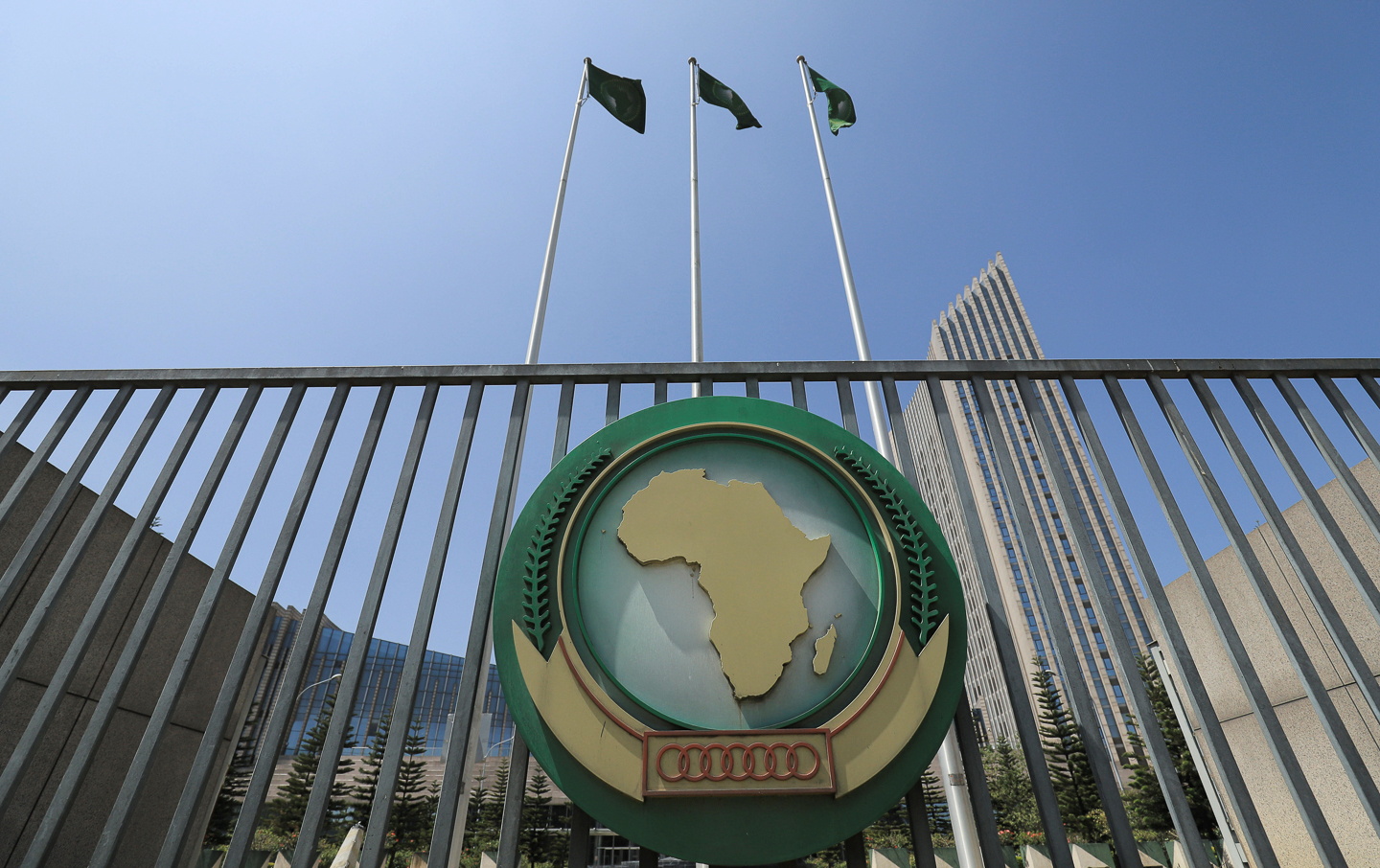
A new credit ratings company tailored to Africa’s sovereign borrowers is set to launch next year, according to Albert Muchanga, the African Union’s commissioner for development, trade, tourism, industry, and minerals. This initiative stems from a growing recognition of the unique challenges faced by African nations in securing fair credit ratings from established international agencies like Moody’s, Fitch, and Standard & Poor’s (S&P).
Credit rating agencies, particularly Moody’s, Fitch, and S&P, play a crucial role in assessing the creditworthiness of borrowers, including governments, corporations, and financial products. These agencies analyze the ability of borrowers to meet their debt obligations and assign letter grades (e.g., AAA, BBB, CCC) to indicate their creditworthiness. They gather and scrutinize financial data, management quality, and other factors to determine the risk profile of borrowers.
The ratings assigned by Moody’s, Fitch, and S&P have a significant impact on the economy. Investors use these credit ratings to evaluate the risks associated with various financial instruments and make informed decisions about where to allocate their funds. Borrowers with higher credit ratings typically enjoy lower interest rates, as lenders perceive them as less risky. Conversely, lower credit ratings lead to higher borrowing costs. The agencies continuously monitor the creditworthiness of borrowers and update their ratings accordingly, reflecting changes in financial conditions and risk profiles.
The economic impact of credit rating agencies is far-reaching. Their assessments can influence the flow of capital, the cost of borrowing, and the overall stability of financial markets. Sovereign credit ratings, in particular, can have significant consequences for a country’s economic development and access to international capital markets. However, credit rating agencies have faced criticism for their role in the 2008 financial crisis, with some arguing that they failed to accurately assess the risks associated with certain financial products. This has led to increased regulatory oversight and efforts to improve transparency and accountability within the industry.
The establishment of an African credit rating agency, tentatively named the African Credit Rating Agency (AfCRA), comes after years of complaints from African governments regarding the perceived bias in ratings provided by the “big three” international firms.
The criticism of international credit rating agencies, particularly Moody’s, Fitch, and S&P, from an African perspective is deeply rooted in concerns about bias and misrepresentation. African nations argue that the methodologies employed by these agencies fail to adequately consider the continent’s unique economic conditions. For instance, the significant role of the informal economy in many African countries is often overlooked, leading to distorted assessments of economic resilience and potential. This disconnect raises questions about the validity of the ratings assigned and whether they truly reflect the realities of African economies.
Moreover, the lower ratings assigned to African countries contribute to what is termed the “Africa risk premium,” resulting in higher borrowing costs. This situation has made it increasingly difficult for African governments to finance essential development projects and manage national debts effectively. The United Nations Conference on Trade and Development (UNCTAD) has highlighted that African countries often pay significantly more in interest on loans compared to their European and American counterparts, a disparity attributed to the distorted assessments made by international credit agencies. This financial burden exacerbates the challenges faced by these nations in achieving sustainable economic growth.
Related
 World Bank Ready to Fund Standard Gauge Railway Project Following Talks with President Museveni
Another critical aspect of the criticism revolves around the lack of transparency in the rating processes of these agencies. Many African leaders have called for greater clarity regarding the criteria and methodologies used in evaluations. There is a prevailing perception that these firms do not fully understand the socio-economic dynamics of African markets, leading to ratings that do not accurately reflect the true risks or potential associated with investing in these countries. As African nations push for a more equitable credit rating system, the establishment of a continental credit rating agency is being considered as a potential solution to address these issues and provide a more nuanced understanding of the continent’s economic landscape.
The idea for an African-centric rating agency was first proposed during the 2017 African Union Summit, where leaders directed the African Peer Review Mechanism (APRM) to explore the feasibility of such an institution. The initiative gained momentum over the years, culminating in a commitment to operationalize the AfCRA by 2025. Muchanga emphasized that the new agency would operate independently of the African Union, aiming to create a more equitable and transparent rating process that reflects the realities of African economies.
The establishment of the African Credit Rating Agency (AfCRA) represents a significant step towards addressing the concerns of African nations regarding the perceived bias and unfair treatment by international credit rating agencies. However, the new agency will need help to establish itself as a credible and reliable alternative. Building trust among local and international investors will be crucial, requiring the AfCRA to develop rigorous methodologies and demonstrate transparency in its rating processes. Gaining credibility will be essential for the agency to compete with established firms and provide accurate assessments of African economies.
Securing the necessary funding and resources to develop the agency’s infrastructure, hire qualified personnel, and conduct thorough research will be another significant challenge. The AfCRA will need substantial financial backing to establish itself in a competitive landscape, particularly given the dominance of Moody’s, Fitch, and S&P in the credit rating industry. Ensuring that the agency remains independent from political influence will also be critical, as navigating the complex political landscape of African nations could pose a threat to the objectivity of its ratings.
Another primary obstacle the AfCRA will face is the collection and analysis of accurate and comprehensive data on African economies. Existing data often fails to capture the informal sectors and other unique aspects of African economies, which could lead to misinformed ratings if not addressed. Additionally, the new agency will need to carve out a niche for itself in the market, as the demand for ratings from established international agencies is likely to persist even after the launch of the AfCRA. Demonstrating its value and unique understanding of African markets will be essential for the agency to succeed in this competitive environment.