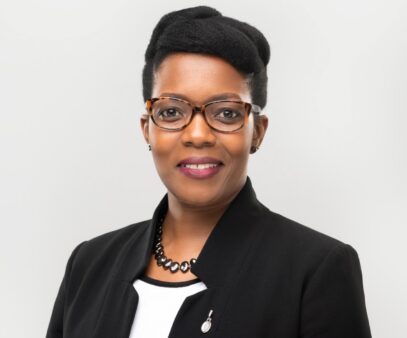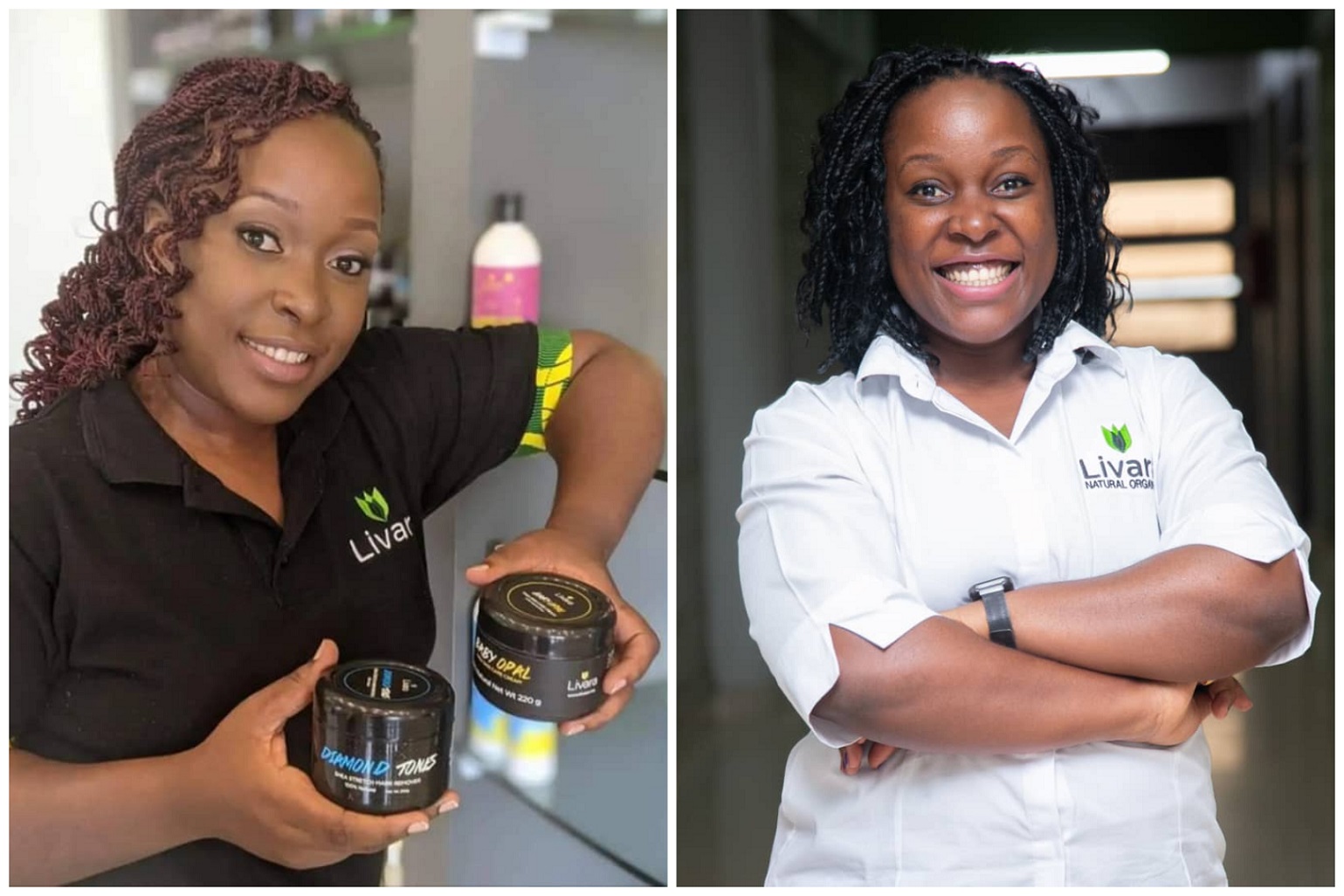
Who is Ms. Nsimenta Maxima?
First of all, I am a strong believer in my God, an entrepreneur, founder, and CEO of Livara. I’m a mother of two kids, a 3-year-old boy and a 2-year-old girl who are my everyday reason for working harder. I’m a believer in Africanism and my life goal is to impact in that area especially young people to make sure that they believe in who they are, and they stop taking in that myth that terrible things come from Africa but to change that misconception.
Give us more insights about what Livara really is.
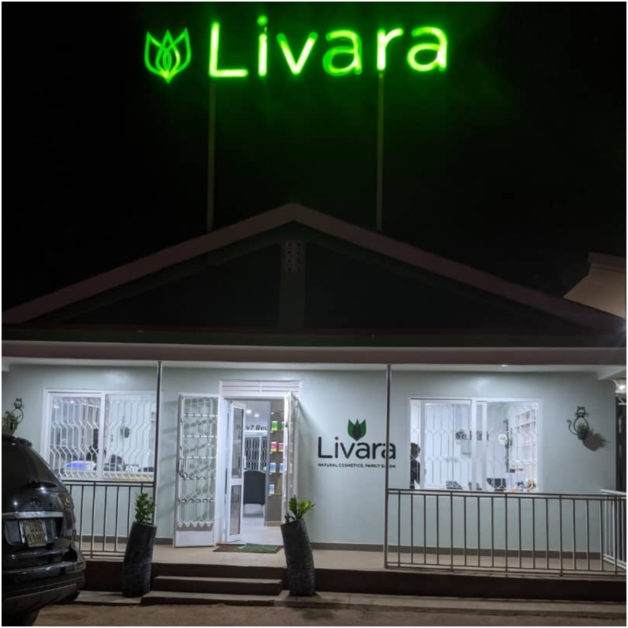
Livara is a natural organic cosmetics manufacturer here in Uganda which started in the year 2015. We are currently the biggest natural organic cosmetics manufacturer in the country, and we intend to be the biggest most profitable and most favourite natural organic haircare and skincare brand in Africa.
Madam CEO, we understand you did Electrical Engineering. At what point did you drop the toolboxes for entrepreneurship and cosmetics, specifically?
After university, I joined the oil and gas industry, first with Total E&P here in Uganda for seven months where I oversaw the relationship among the joint ventures on behalf of Total. I later joined Schlumberger- the world’s leading provider of technology and services to the energy industry, in their DR Congo operation. I joined as a field engineer in the artificial lift department from February 2013 to May 2015.
So, one day while in DR Congo I decided to go and relax my hair. I went to these nice salons, and on reaching the first salon, I was told they couldn’t work on my hair, the reason being, that many of the top-quality facilities in Congo were owned by French people and they were used to being more Caucasian hair than our African hair. I went to the second salon for the same thing. At the third salon, I was told that if I wanted to retouch my hair, I should go downtown, near the local market. I was disturbed and I went ahead and cut off my hair because I was fed up. After two to three months of my hair growing again, I realized it was difficult to comb. When I started buying oils to soften my hair, I realized that over 90% of the products in Congo were imported from India and other countries.
Good thing, we used to travel a lot, so on some of my trips, I would go scouting for products. Most of the products that were selling as natural hair products were not manufactured in Africa, yet they claimed to use raw materials from Africa. I saw an opportunity of making the same, if not better products, right here in Africa. So, I started doing research. It is then that I landed on the whole Shea Butter phenomenon. This is when I started planning to leave my job. I gave myself a target to raise USD75,000 because that’s what was required for an investment permit. This took me about two years to save and raise, from my USD10,000 a month salary.
In May 2015, I left my Schlumberger job to return home and start Livara.
In your journey as a businesswoman, what do you think is key to success in business and what are some of the things you’ve learned that make people fail?
Passion. Unfortunately, most people go into businesses with the aim of copying without understanding why someone is doing something. So, if you’re copying without passion attached, then you don’t understand what you’re doing, and you will probably fail because business is hard.
Decision making. Many people are not decisive about things that must be done. For example, I took a very radical step to leave my well-paying job to come and start this. For sure, I was a bit scared too, but I believed in my dream.
Knowledge and zeal to continue learning and growing. The world keeps on evolving every day. When I was in Congo, my meetings with my people here were mainly via Skype, right now we have Zoom and other technologies that have scaled up. Read books, be knowledgeable, and know what other people have done to excel. How can you learn from their experiences?
Opening up social networks and social capital. When I was starting up, the people that I wanted to sell to, mainly were not my family because my family wants to shield me. So, in the initial stages, they were not going to be the people to give me the best feedback that I needed. Also, with the social networks, you end up meeting different organizations where you’ll be allowed to pitch to people.
Still talking about success, what level in business do you reach and determine, yeah, this is an independent business now?
In my view, the business is beginning to be successful, when you need not be present 100% of the time for key decisions to be made. You must have very clear systems running; things like the financial process and policy of the company, logistics, hiring, production policy, manufacturing levels, and purchasing. How do you respond to clients when they purchase? How do you advertise? When you get to that level where people [employees] understand their roles and responsibilities, that is an independent business.
What keep you awake at night?
Fear of failure and fear of not achieving my dreams.
Credit is important for businesses, especially start-ups- although when poorly managed, credit has become the source of downfall for many a business. How best can an entrepreneur manage loans to sustain their businesses?
Many businesses grow off loans. Now, if you are to get a loan and you do not have a real strategy for using that money you instead end up losing it all. Most people borrow and do other things. You get a loan and start buying a car and building a house, yet the money was supposed to buy machinery, hire people, change your packaging and or expand. Loans are not bad, only that in Uganda the interest is too high and it’s literally killing businesses.
With your vast experience now, what are some of the criteria one should follow to invest and how much money does one need to start with?
Research. What do you need to start up a business? What’s the market opportunity? Are you solving a problem or are you adding value to an already existing solution? Are you creating a totally new product or service? What are you doing exactly?
 Burnt Investment, Broken Claim: A Tourism Lodge Owner’s Legal Battle with CIC Life Insurance
How many people like you exist in the market? Who is your competitor, what are they doing right and how can you do it better? What are they doing wrong so you can do it right? You have to have a unique proposition to give to the market.
You also need to know that there is money required for marketing. Luckily, we have cheaper marketing today via social media but also you need to remember people who are not on social media- probably, the majority of Ugandans.
Location is also very key and whom are you going to work with. It is important to start because you must start but how do you start? Have everything checked out.
Many people believe that you need a lot of money to start but it depends on what you are starting. So, depending on the capacity you have and your research, start at that level, execute well and the market will always reward you with more value.
Back to Livara, why do you think one should opt for your products?
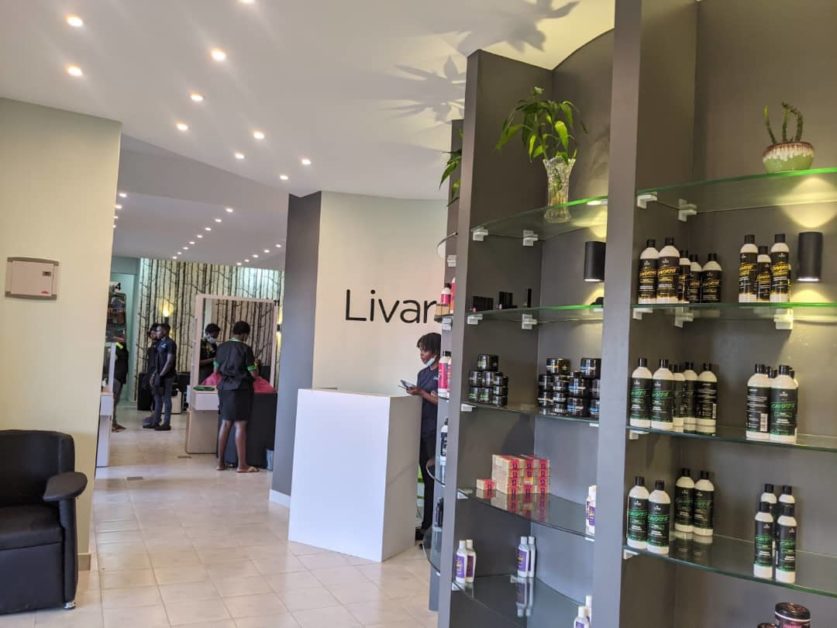
Because of science and quality. Livara represents high quality natural and organic products made here from Africa, the source of raw materials. Our products target real solutions naturally and organically, without chemical contaminations. We are providing solutions for Africa, for black people!
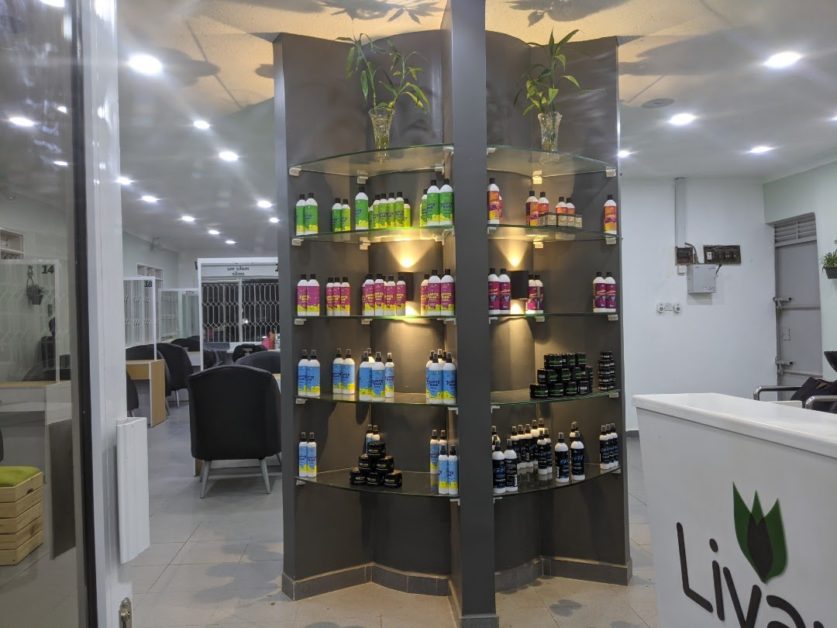
We make a lot of products for women, men, children, and babies. Our products include 2-in-1 Sapphire Deep Conditioner and Leave-In Treatment, Baby Opal Babies and Children Body Butter, Sapphire Shampoo Bar, Shea Face and Body Soap, Tanzanite Hair Oil 100ml, Tsavorite Anti-snap Hair Treatment, Chocolate Ruby Body Butter among many others.
What are some of the challenges that you are faced with as an entrepreneur?
I’m the biggest shareholder in the company and the challenge I have faced is creating a team of like-minded thinkers. Alone you go fast but together you go far!
There has also been a challenge of affordable money. Our money here in Uganda is expensive. We wanted to expand but our bank loans are costly, so we got the cheapest which is 12% from the Micro Finance Support Center. We are paying it off easily and okay, but it could have been even cheaper. And then the criteria for giving you a loan, you must have collateral which most of the entrepreneurs do not have. Everything is collateral-based yet financing should instead switch and be asset-based, as in let us give you money and you manufacture, sell and payback. So my problem is with our banking system which is too rigid to shift to modern financing.
The other challenge is packaging and labelling. We have very limited options. Suppliers take time since we import them. Also, other essential raw materials like casa oil and Glycerine are not readily available here in Uganda.
Speaking of the challenges, where do you think the government should give a hand to entrepreneurs like you?
Promoting mass manufacturing, especially by locals, makes the investment climate easier for us.
Promoting export and visibility of our products on an international market and support us to export en masse.
Taxes- let the local manufacturers also have easy access to these tax holidays.
Any last words and advice to youth?
Dreams do come true. There may be many challenges along the way but if you have a dream with an execution plan, the world will listen and help you achieve your dream. Many youths today give up a lot and fast, but it takes time to breakthrough.
About Nsimenta Maxima
Ms. Nsimenta Maxima was born on September 23, 1986 in Kampala to Mr. Paul Namaye and Ms. Cissy Bagamuhunda Nyamarere from Kabale. She went to Namagunga for both her Primary and Secondary education before she joined Makerere University where she attained a first-class degree in Electrical Engineering.
While at the University, Nsimenta worked throughout her four years on campus. She was on the team that first built a hybrid electric car in her first year. She was also on the team that developed among others, a software called ARMS which to date Ndejje University runs on.