
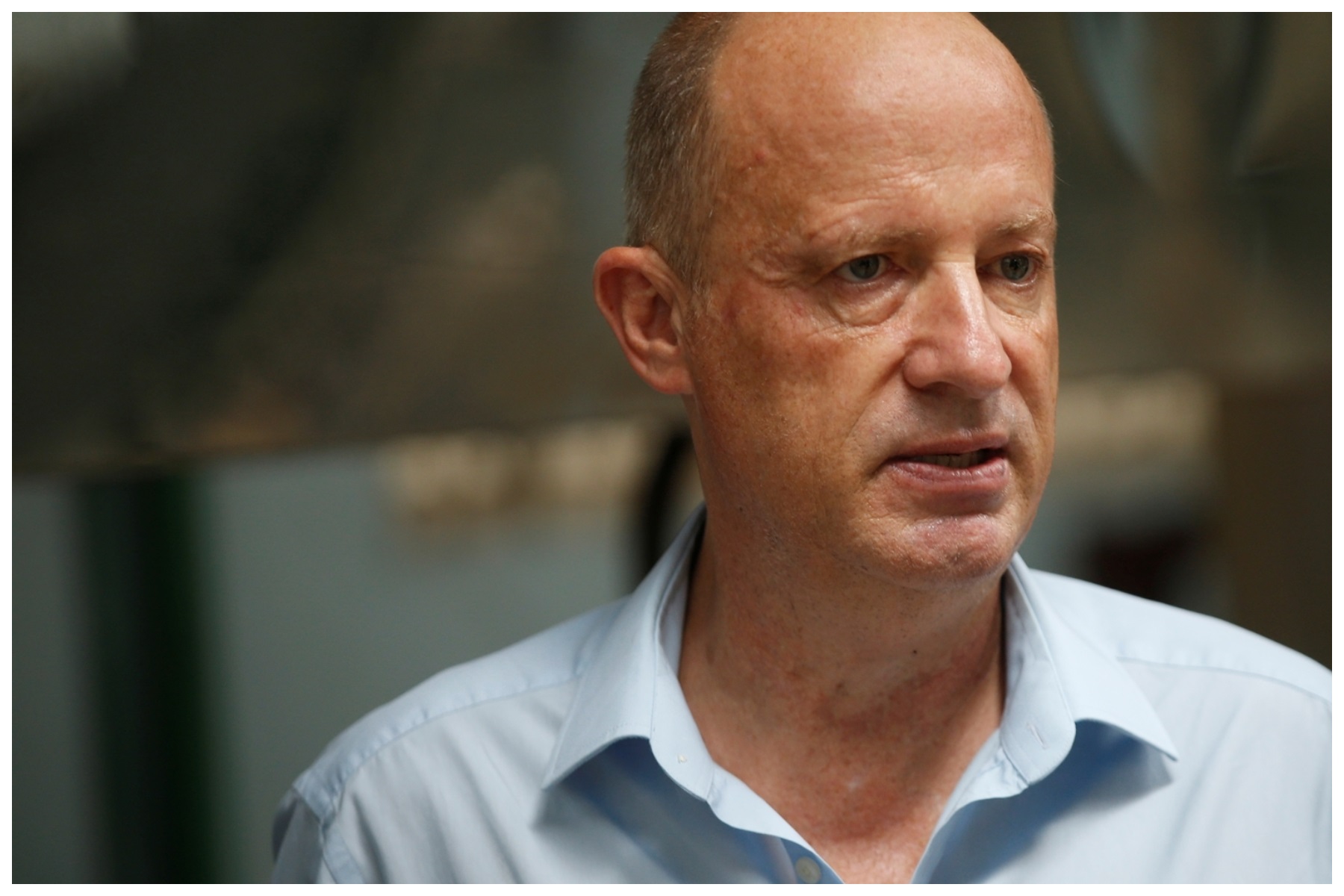
The U.S. Department of the Treasury’s Office of Foreign Assets Control (OFAC), has today announced sanctions again Ugandan-based Belgian gold dealer, Alain Goetz and his African Gold Refinery (AGR), also in Uganda.
OFAC also announced that a network of companies, also linked to the businessman, that it said are “involved in the illicit movement of gold valued at hundreds of millions of dollars per year from the Democratic Republic of the Congo (DRC)” would also be sanctioned.
“As a result of today’s action, all property and interests in property of these persons that are in the United States or in the possession or control of U.S. persons are blocked and must be reported to OFAC. In addition, any entities that are owned, directly or indirectly, 50 percent or more by one or more blocked persons are also blocked. Unless authorized by a general or specific license issued by OFAC or otherwise exempt, OFAC’s regulations generally prohibit all dealings by U.S. persons or within (or transiting) the United States that involve any property or interests in property of designated or otherwise blocked persons. U.S. persons may face civil or criminal penalties for violations of E.O. 13413,” said the statement from OFAC.
Other companies that are owned or controlled by, or having acted or purported to have acted for or on behalf of, directly or indirectly, Alain Goetz that have been sactioned, include:
- Agor DMCC is a UAE-based gold refinery that imports gold from AGR and is owned or controlled by Goetz.
- AGR International Ltd. is a Seychelles-based holding company owned or controlled by Goetz.
- Alaxy is a Belgium-based management company that is owned or controlled by Goetz.
- CG – Vastgoed Invest is a Belgium-based holding company owned or controlled by Goetz.
- Goetz Gold LLC is a UAE-based gold trading company that is owned or controlled by Goetz. In 2020, Goetz rebranded Goetz Gold LLC to PGR Gold Trading LLC.
- Premier Gold Refinery LLC is a UAE-based gold refinery that imports gold from AGR and is owned or controlled by Goetz.
- Orofino is a Belgium-based holding company that is owned or controlled by Goetz.
- WWG Diamonds is a Belgium-based holding company that is involved in mining activities and is owned or controlled by Goetz.
“Goetz was designated pursuant to E.O. 13413 for being a leader of AGR, for having acted or purported to act for or on behalf of, directly or indirectly, AGR, and for being responsible for or complicit in, or having engaged in, directly or indirectly, support to persons, including armed groups, involved in activities that threaten the peace, security, or stability of the DRC or that undermine democratic processes or institutions in the DRC, through the illicit trade in natural resources of the DRC,” the US statement adds.
“Since 2016, AGR has sourced illicit gold from mines in regions of DRC that are controlled by armed groups, including the Mai-Mai Yakutumba and Raia Mutomboki that are involved in destabilizing activities in South Kivu, DRC. AGR has a refining capacity of 219 tons per year and is considered one of the largest gold refineries in Africa, after refineries in South Africa and Ghana. AGR and Goetz acknowledged that a share of the gold AGR refines comes directly from mines in the DRC and has taken over a significant portion of the market for gold trafficked from the DRC,” the US Treasury further alleges.
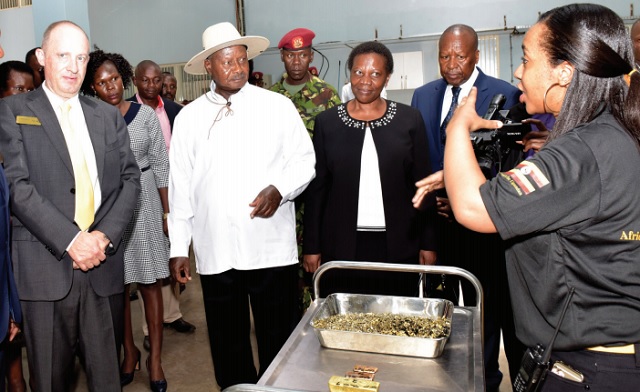
“AGR was designated pursuant to E.O. 13413 for being responsible for or complicit in, or having engaged in, directly or indirectly, support to persons, including armed groups, involved in activities that threaten the peace, security, or stability of the DRC or that undermine democratic processes or institutions in the DRC, through the illicit trade in natural resources of the DRC,” adds the statement.
“Since establishing AGR, Goetz has held multiple leadership positions in the company, including chief executive officer and director, and has been involved in AGR’s gold trading activities. In 2018, Goetz acknowledged that AGR refines about 150 kilograms of gold from the DRC per week, or approximately 8.5 tons per year, valued at $496 million. This amounts to almost all of Uganda’s total gold exports in 2018, which were approximately 10 tons and valued at $515 million,” adds the US Treasury statement.
Before 2015, Uganda’s gold exports were well below USD50 million but since the establishment of AGR in Uganda around 2014-15 and subsequently the set up of a refinery in 2017, gold export revenues grew overnight from USD35.75 million in 2015; to USD339.54 million in 2016; USD417.92 million 2017; USD514.89 million in 2018 and 2019 reached a staggering USD1,257.82 million!
Despite not being a major gold producer, the year 2020 marked the highest ever gold export receipts for Uganda- USD1,819.27 million- which is 51 times more than what Uganda used to earn in 2015, prior to the set up of AGR. In 2021, gold receipts were reduced to USD1,033.36 million- but as it appears, this may not be because Uganda stopped exporting the gold, but all of a sudden BoU and Uganda Bureau of Statistics have stopped publicly providing statistics on gold exports. According to publicly available statistics from the Bank of Uganda, there are no figures on gold exports from July 2021. While this could be attributed to laxity in government or it could also be because some powerful figures are covering up for Alain Goetz and his African Gold Refinery.
Blood gold fueling conflict in the Democratic Republic of Congo
According to the US Treasury statement, the illicit movement of gold provides revenue to armed groups that threaten the peace, security, and stability of the DRC.
 Allan Chekwech Steps into Daniel Kalinaki's Big Shoes at NMG Uganda
Our action demonstrates the U.S. commitment to disrupt the illicit mineral trade and encourage mining sector transparency.
“More than 90 percent of DRC gold is smuggled to regional states, including Uganda and Rwanda, where it is then often refined and exported to international markets, particularly the UAE. In eastern DRC, where there are approximately 130 active armed groups, the gold trade is a major driver of conflict. A network of armed groups, smugglers, and companies generates illicit revenue from the gold industry through forced labor, smuggling, or by extorting payments from miners. These actors use revenue from gold to finance armed conflict and enrich themselves while depriving the DRC of tax revenue and disregarding the environment and local communities,” adds the US Treasury.
“Conflict gold provides the largest source of revenue to armed groups in eastern DRC where they control mines and exploit miners,” said Under Secretary of the Treasury for Terrorism and Financial Intelligence Brian E. Nelson, adding: “Alain Goetz and his network have contributed to armed conflict by receiving DRC gold without questioning its origin. Treasury has been clear: global gold markets, at every step of the supply chain, must engage in responsible sourcing and conduct supply-chain due diligence.”
The US Treasury also cautioned companies dealing in gold and other gemstones to adopt supply chain due diligence procedures in mineral supply chains.
“Today’s action shows that given the multiple threat finance concerns throughout these supply chains, due diligence is a key tool for the private sector to mitigate risks from U.S. and international sanctions regimes. Additionally, U.S. companies that are required to file a Conflict Minerals Report to the Securities and Exchange Commission must exercise due diligence on the source and chain of custody of their conflict minerals, including gold. The due diligence measures must conform to a nationally or internationally recognized due diligence framework, such as the Organization for Economic Cooperation and Development (OECD) Due Diligence Guidance for Responsible Supply Chains of Minerals from Conflict-Affected and High-Risk Areas,” the US Treasury statement reiterated.
Who is Alain Goetz?
Goetz, according to the statement is a Belgian businessperson who operates the African Gold Refinery (AGR) in Uganda, as well as companies in the UAE that receive illicit gold from mines in regions of DRC that are controlled by armed groups, including the Mai-Mai Yakutumba and Raia Mutomboki that are involved in destabilizing activities in South Kivu, DRC.
“Goetz’s gold network has extensive refining and transport capabilities and sources gold from DRC, Kenya, South Sudan, and Tanzania. In 2014, Goetz incorporated AGR and has maintained ownership or control of AGR since then through his majority ownership of an offshore holding company in the Seychelles, AGR International Ltd., which holds virtually all of the shares of AGR, making Goetz the overall beneficial owner and/or shareholder of AGR,” alleges the US Treasury.
“Since establishing AGR, Goetz has held multiple leadership positions in the company, including chief executive officer and director, and has been involved in AGR’s gold trading activities. In 2018, Goetz acknowledged that AGR refines about 150 kilograms of gold from the DRC per week, or approximately 8.5 tons per year, valued at $496 million. This amounts to almost all of Uganda’s total gold exports in 2018, which were approximately 10 tons and valued at $515 million,” adds the US Treasury statement.
Before 2015, Uganda’s gold exports were well below USD50 million but since the establishment of AGR in Uganda around 2014-15 and subsequently the set up of a refinery in 2017, gold export revenues grew overnight from USD35.75 million in 2015; to USD339.54 million in 2016; USD417.92 million 2017; USD514.89 million in 2018 and 2019 reached a staggering USD1,257.82 million!
Despite not being a major gold producer, the year 2020 marked the highest ever gold export receipts for Uganda- USD1,819.27 million- which is 51 times more than what Uganda used to earn in 2015, prior to the set-up of AGR. In 2021, gold receipts reduced to USD1,033.36 million- but as it appears, this may not be because Uganda stopped exporting the gold, but all of a sudden BoU and Uganda Bureau of Statistics have stopped publicly providing statistics on gold exports. According to publicly available statistics from the Bank of Uganda, there are no figures on gold exports from July 2021. While this could be attributed to laxity in government, or it could also be because some powerful figures are covering up for Alain Goetz and his African Gold Refinery.
